Tag Archives: e motor

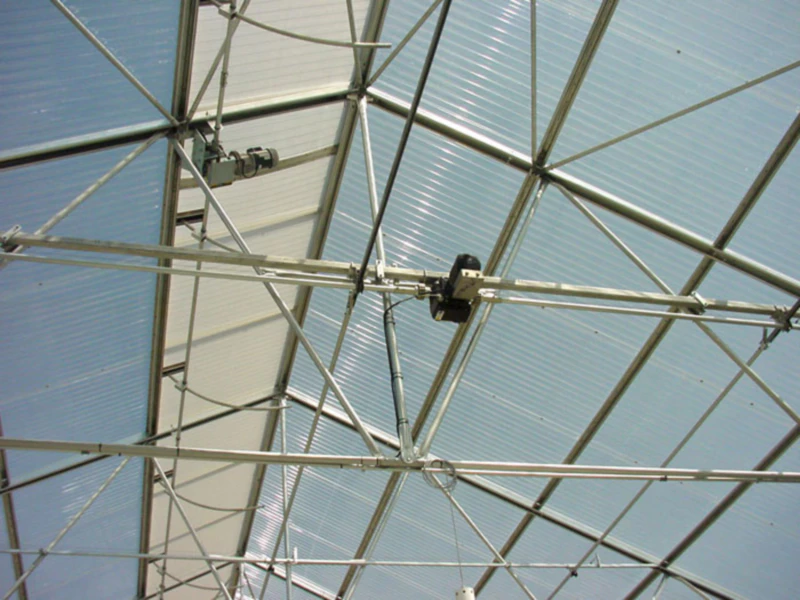
Gear rack for greenhouse motorized roof ventilation systems


Gear racks for greenhouses: A Comprehensive Guide

Gear racks for greenhouses are linear tracks with teeth along their length that are used in greenhouse systems to facilitate the movement of greenhouse accessories, such as curtains or shading systems.

Advantages of Gear Racks for Greenhouses

Gear racks for greenhouses come with a host of advantages that make them an indispensable component in modern greenhouse systems. Here are some of the key benefits:

Sturdy Construction

Gear racks for greenhouses are typically made from durable materials, such as galvanized steel or aluminum, to withstand the harsh greenhouse environment.

Weather Resistance

They are designed to resist corrosion, moisture, and UV exposure, ensuring long-lasting performance in greenhouse conditions.

Precise Movement

The teeth on the gear rack provide accurate and smooth linear motion, allowing for precise positioning of greenhouse accessories.

High Load Capacity

Gear racks for greenhouses are capable of handling heavy loads, ensuring reliable operation even with substantial curtain or shading systems.

Easy Installation

They are designed for easy installation and integration into greenhouse structures.

Gear Rack Advantages

How Do Gear Racks for Greenhouses Work?

Gear racks for greenhouses work on the principle of converting rotary motion into linear motion. They are typically used in conjunction with a gear motor or a manual crank mechanism to control the movement of greenhouse accessories, such as curtains or shading systems. Here’s a breakdown of the working principle:

Gear Rack Design

A gear rack is a linear track with teeth along its length. The teeth are designed to mesh with a gear, which can be either a spur gear or a pinion gear.

Gear Motor or Manual Crank

The gear rack is connected to a gear motor or a manual crank mechanism, depending on the specific greenhouse system. The gear motor provides automated and precise control, while the manual crank allows for manual operation.

Rotary Motion

The gear motor or manual crank rotates the gear, which in turn engages with the teeth on the gear rack. As the gear rotates, the teeth on the gear rack move linearly, either extending or retracting along the rack’s length.

Linear Motion of Greenhouse Accessories

The linear movement of the gear rack translates into the corresponding linear movement of the greenhouse accessories. For example, if the gear rack is connected to a curtain system, as the gear rack extends, the curtain will be drawn closed, and as the gear rack retracts, the curtain will open.

Control and Positioning

By controlling the rotation of the gear motor or manually cranking the mechanism, the greenhouse operator can precisely position the gear rack and adjust the movement of the greenhouse accessories according to the desired light, temperature, or ventilation requirements.
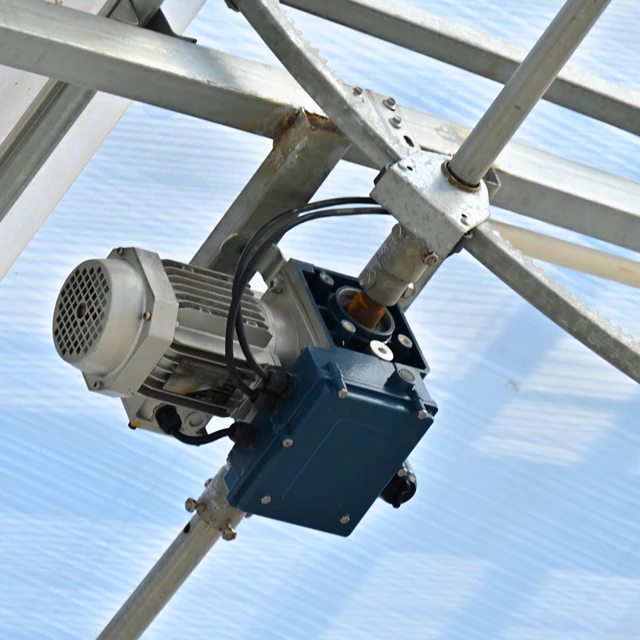
Gear Rack Working Principle

Applications of Gear Racks in Greenhouses

Gear racks for greenhouses have various applications in optimizing greenhouse environments and improving operational efficiency. Here are some common applications of gear racks in greenhouses:

Curtain Systems

Gear racks are widely used in curtain systems within greenhouses. They enable the precise opening and closing of curtains, which helps regulate natural light levels, provide shade, and control temperature and humidity. By adjusting the position of the gear rack, greenhouse operators can easily control the amount of light and heat entering the greenhouse.

Shading Systems

Similar to curtain systems, gear racks are employed in shading systems within greenhouses. These systems use movable shading screens to control the amount of sunlight reaching the plants. By adjusting the gear rack, the shading screens can be moved horizontally or vertically to achieve the desired shading effect.

Ventilation Systems

Gear racks can be used to operate ventilation systems in greenhouses. They are integrated with mechanisms that open and close vents or louvers to regulate airflow and maintain optimal growing conditions. By adjusting the gear rack, greenhouse operators can control the degree of ventilation and ensure proper air exchange within the greenhouse.

Irrigation Systems

In some cases, gear racks are utilized in irrigation systems within greenhouses. They are integrated with irrigation curtains or movable irrigation pipes to distribute water evenly across the growing area. By adjusting the gear rack, the irrigation system can be precisely positioned to irrigate specific areas or rows of plants.

Light Deprivation Systems

Gear racks are also employed in light deprivation systems used in commercial greenhouse operations. These systems are designed to control the exposure of plants to light, allowing for the regulation of growth cycles and optimizing crop yields. Gear racks enable the movement of light-blocking materials, such as blackout curtains or covers, to create periods of darkness and manipulate photoperiods for the plants.
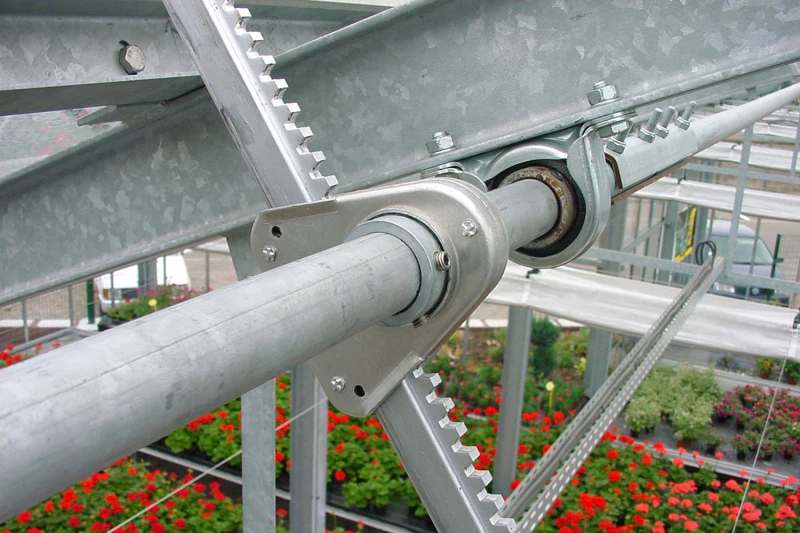
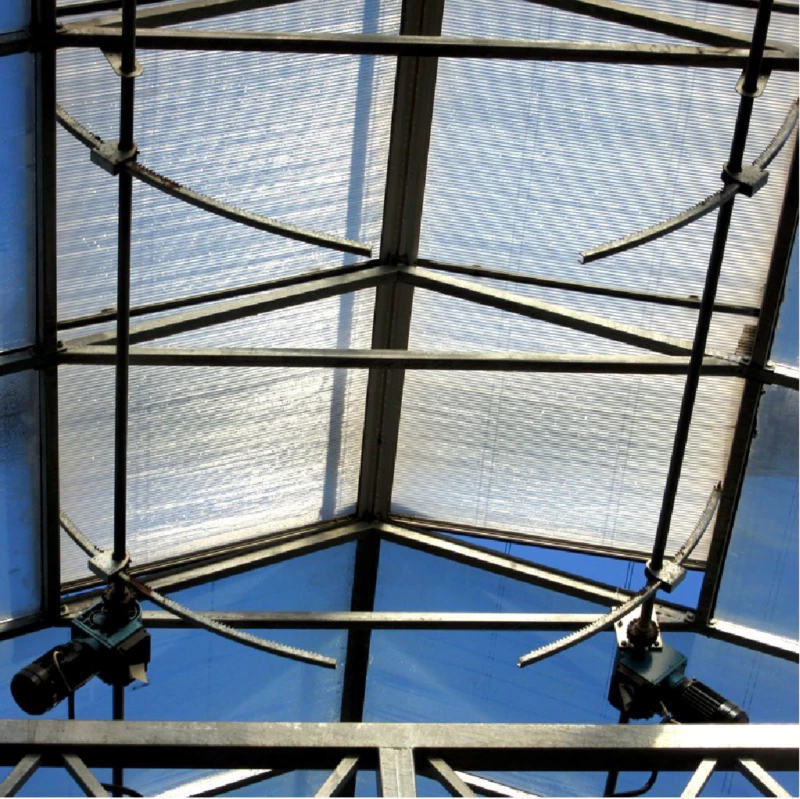
Gear Rack Applications

Gear Rack Applications

Common Problems and Solutions with Gear Racks

While gear racks offer numerous advantages, they can also face several issues during use. Here are some common problems and their solutions:

Wear and Tear

Continuous use of the gear rack can lead to wear and tear, especially on the gear teeth. This can result in reduced precision and smoothness of movement.

Solution: Regularly inspect the gear rack for signs of wear. If excessive wear is detected, replace the gear rack with a new one. Proper lubrication and maintenance can help reduce wear and prolong the lifespan of the gear rack.

Misalignment

Improper alignment of the gear rack can cause uneven wear, increased friction, and compromised performance. This can result in jerky or inconsistent movement.

Solution: Check the alignment of the gear rack periodically. If misalignment is detected, adjust the mounting or realign the gear rack according to the manufacturer’s instructions. Seek professional assistance if necessary.

Corrosion

Greenhouse environments are often humid, which can lead to corrosion on the gear rack, especially if it’s not made from corrosion-resistant materials.

Solution: Apply suitable corrosion inhibitors or coatings to protect the gear rack from corrosion. Regularly clean the gear rack and remove any accumulated moisture. If corrosion occurs, clean the affected area and apply a rust converter or contact a professional for further treatment.

Overloading

Exceeding the gear rack’s load capacity can lead to excessive strain and premature failure. Overloading can occur due to improper weight distribution or using the gear rack for loads beyond its intended capacity.

Solution: Ensure that the gear rack is used within its specified load capacity. Distribute the load evenly across the gear rack to avoid overloading. If higher load capacity is required, consider upgrading to a gear rack with a higher rating.

Lubrication Issues

Inadequate or improper lubrication can cause increased friction, leading to premature wear, noise, and reduced performance.

Solution: Follow the manufacturer’s recommendations for lubrication intervals and use the appropriate lubricant for the gear rack. Regularly check the lubrication levels and replenish as needed. Proper lubrication will ensure smooth operation and extend the gear rack’s lifespan.

Remember, it’s important to consult the manufacturer’s guidelines and recommendations specific to your gear rack model for accurate troubleshooting and solutions.

Precautions to Take When Using Gear Racks

While gear racks are designed to offer robust performance, there are certain precautions that users should take to ensure their longevity and optimal performance. Here are some of them:

Load Capacity

Ensure that the gear rack’s load capacity is suitable for the intended application. Consider the weight of the greenhouse components or systems that will be adjusted or moved using the gear rack. Exceeding the load capacity can lead to gear rack failure and compromised safety.

Proper Installation

Follow the manufacturer’s instructions for proper installation of the gear rack. Ensure that it is securely mounted and aligned correctly. Improper installation can result in misalignment, increased wear, and reduced performance.

Regular Maintenance

Implement a regular maintenance schedule for the gear rack. This includes cleaning the gear rack to remove dirt and debris, inspecting for any signs of wear, and lubricating the gear teeth as recommended by the manufacturer. Regular maintenance helps prevent issues and ensures optimal performance.

Lubrication

Proper lubrication is crucial for the smooth operation of the gear rack. Use the recommended lubricant and follow the manufacturer’s guidelines for lubrication intervals. Insufficient lubrication can cause increased friction, wear, and noise.

Corrosion Protection

Greenhouse environments tend to be humid, which can lead to corrosion. Choose a gear rack made from corrosion-resistant materials such as stainless steel or aluminum. Apply suitable corrosion inhibitors or coatings to protect the gear rack from moisture and corrosive elements.

Proper Use

Use the gear rack within its intended purpose and load capacity. Avoid sudden or excessive loads that can cause stress on the gear rack. Distribute the load evenly across the gear rack for balanced operation.

Inspections

Regularly inspect the gear rack for signs of wear, misalignment, or damage. Check for worn or chipped gear teeth, loose fasteners, or any abnormalities in the gear rack’s operation. Promptly address any issues discovered during inspections to prevent further damage and ensure optimal performance.

Professional Assistance

If you encounter significant issues or are unsure about maintenance or repairs, seek professional assistance. Consulting with experts or contacting the gear rack manufacturer can provide guidance and ensure that the gear rack is properly maintained and serviced.

Installation and Maintenance of Gear Racks

Proper installation and maintenance of gear racks are crucial for their optimal performance and longevity. Here are some key aspects to consider:

Installation

Gear racks should be securely mounted and aligned to ensure smooth operation. Proper attachment points and support structures should be used.

Maintenance

Regular inspection for wear, cleaning, and lubrication are important maintenance practices to extend the gear rack’s lifespan and ensure optimal performance.
Gear Rack Maintenance

About EVER POWER

EVER POWER is a leading manufacturer of gear racks in China. The company boasts over 100 professional rack production and testing equipment, offering a range of products that cater to different market needs. With their gear racks reaching a precision of DIN6n25 (JIS2 level), they serve high-end customers demanding high-precision racks. EVER POWER’s products are exported to countries such as Spain, the Netherlands, the United States, South Korea, Turkey, and Russia. They are committed to providing high-quality products, fair prices, and excellent service.

EVER POWER Factory

EVER POWER Factory

EVER POWER Factory

Gear rack for greenhouse motorized insect screen systems


Gear racks for greenhouses: An In-depth Overview

Gear racks for greenhouses are linear tracks with teeth along their length that are used in greenhouse systems to facilitate the movement of greenhouse accessories, such as curtains or shading systems. These robust structures are built to withstand the harsh environment of greenhouses and provide precise, smooth motion for various applications.

Benefits of Gear Racks for Greenhouses

The benefits of gear racks for greenhouses are numerous and include the following:

Sturdy Construction

Gear racks for greenhouses are typically made from durable materials like galvanized steel or aluminum. This ensures they can withstand the harsh environment of a greenhouse.

Weather Resistance

These gear racks are designed to resist corrosion, moisture, and UV exposure, ensuring long-lasting performance in greenhouse conditions.

Precise Movement

The teeth on the gear rack provide accurate and smooth linear motion, allowing for precise positioning of greenhouse accessories.

High Load Capacity

Gear racks for greenhouses are capable of handling heavy loads, ensuring reliable operation even with substantial curtain or shading systems.

Easy Installation

They are designed for easy installation and integration into greenhouse structures.

Gear Rack Advantages

Working Principle of Gear Racks for Greenhouses

Gear racks for greenhouses work on the principle of converting rotary motion into linear motion. They are typically used in conjunction with a gear motor or a manual crank mechanism to control the movement of greenhouse accessories. Here’s a breakdown of the working principle:

Gear Rack Design

A gear rack is a linear track with teeth along its length. The teeth are designed to mesh with a gear, which can be either a spur gear or a pinion gear.

Gear Motor or Manual Crank

The gear rack is connected to a gear motor or a manual crank mechanism, depending on the specific greenhouse system. The gear motor provides automated and precise control, while the manual crank allows for manual operation.

Rotary Motion

The gear motor or manual crank rotates the gear, which in turn engages with the teeth on the gear rack. As the gear rotates, the teeth on the gear rack move linearly, either extending or retracting along the rack’s length.

Linear Motion of Greenhouse Accessories

The linear movement of the gear rack translates into the corresponding linear movement of the greenhouse accessories. For example, if the gear rack is connected to a curtain system, as the gear rack extends, the curtain will be drawn closed, and as the gear rack retracts, the curtain will open.

Control and Positioning

By controlling the rotation of the gear motor or manually cranking the mechanism, the greenhouse operator can precisely position the gear rack and adjust the movement of the greenhouse accessories according to the desired light, temperature, or ventilation requirements.

Gear Rack Working

Applications of Gear Racks in Greenhouses

Gear racks for greenhouses have various applications in optimizing greenhouse environments and improving operational efficiency. Here are some common applications of gear racks in greenhouses:

Curtain Systems

Gear racks are widely used in curtain systems within greenhouses. They enable the precise opening and closing of curtains, which helps regulate natural light levels, provide shade, and control temperature and humidity. By adjusting the position of the gear rack, greenhouse operators can easily control the amount of light and heat entering the greenhouse.

Shading Systems

Similar to curtain systems, gear racks are employed in shading systems within greenhouses. These systems use movable shading screens to control the amount of sunlight reaching the plants. By adjusting the gear rack, the shading screens can be moved horizontally or vertically to achieve the desired shading effect.

Ventilation Systems

Gear racks can be used to operate ventilation systems in greenhouses. They are integrated with mechanisms that open and close vents or louvers to regulate airflow and maintain optimal growing conditions. By adjusting the gear rack, greenhouse operators can control the degree of ventilation and ensure proper air exchange within the greenhouse.

Irrigation Systems

In some cases, gear racks are utilized in irrigation systems within greenhouses. They are integrated with irrigation curtains or movable irrigation pipes to distribute water evenly across the growing area. By adjusting the gear rack, the irrigation system can be precisely positioned to irrigate specific areas or rows of plants.

Light Deprivation Systems

Gear racks are also employed in light deprivation systems used in commercial greenhouse operations. These systems are designed to control the exposure of plants to light, allowing for the regulation of growth cycles and optimizing crop yields. Gear racks enable the movement of light-blocking materials, such as blackout curtains or covers, to create periods of darkness and manipulate photoperiods for the plants.

Gear Rack Applications

Gear Rack Applications

Potential Issues and Their Solutions

Like any mechanical system, gear racks for greenhouses may encounter issues during operation. Here are some potential problems and their solutions:

Wear and Tear

Continuous use of the gear rack can lead to wear and tear, especially on the gear teeth. This can result in reduced precision and smoothness of movement.

Solution: Regularly inspect the gear rack for signs of wear. If excessive wear is detected, replace the gear rack with a new one. Proper lubrication and maintenance can help reduce wear and prolong the lifespan of the gear rack.

Misalignment

Improper alignment of the gear rack can cause uneven wear, increased friction, and compromised performance. This can result in jerky or inconsistent movement.

Solution: Check the alignment of the gear rack periodically. If misalignment is detected, adjust the mounting or realign the gear rack according to the manufacturer’s instructions. Seek professional assistance if necessary.

Corrosion

Greenhouse environments are often humid, which can lead to corrosion on the gear rack, especially if it’s not made from corrosion-resistant materials.

Solution: Apply suitable corrosion inhibitors or coatings to protect the gear rack from corrosion. Regularly clean the gear rack and remove any accumulated moisture. If corrosion occurs, clean the affected area and apply a rust converter or contact a professional for further treatment.

Overloading

Exceeding the gear rack’s load capacity can lead to excessive strain and premature failure. Overloading can occur due to improper weight distribution or using the gear rack for loads beyond its intended capacity.

Solution: Ensure that the gear rack is used within its specified load capacity. Distribute the load evenly across the gear rack to avoid overloading. If higher load capacity is required, consider upgrading to a gear rack with a higher rating.

Lubrication Issues

Inadequate or improper lubrication can cause increased friction, leading to premature wear, noise, and reduced performance.

Solution: Follow the manufacturer’s recommendations for lubrication intervals and use the appropriate lubricant for the gear rack. Regularly check the lubrication levels and replenish as needed. Proper lubrication will ensure smooth operation and extend the gear rack’s lifespan.

Remember, it’s important to consult the manufacturer’s guidelines and recommendations specific to your gear rack model for accurate troubleshooting and solutions.

Important Considerations

When using gear racks in greenhouses, there are several important considerations to keep in mind:

Load Capacity

Ensure that the gear rack’s load capacity is suitable for the intended application. Consider the weight of the greenhouse components or systems that will be adjusted or moved using the gear rack. Exceeding the load capacity can lead to gear rack failure and compromised safety.

Proper Installation

Follow the manufacturer’s instructions for proper installation of the gear rack. Ensure that it is securely mounted and aligned correctly. Improper installation can result in misalignment, increased wear, and reduced performance.

Regular Maintenance

Implement a regular maintenance schedule for the gear rack. This includes cleaning the gear rack to remove dirt and debris, inspecting for any signs of wear, and lubricating the gear teeth as recommended by the manufacturer. Regular maintenance helps prevent issues and ensures optimal performance.

Lubrication

Proper lubrication is crucial for the smooth operation of the gear rack. Use the recommended lubricant and follow the manufacturer’s guidelines for lubrication intervals. Insufficient lubrication can cause increased friction, wear, and noise.

Corrosion Protection

Greenhouse environments tend to be humid, which can lead to corrosion. Choose a gear rack made from corrosion-resistant materials such as stainless steel or aluminum. Apply suitable corrosion inhibitors or coatings to protect the gear rack from moisture and corrosive elements.

Proper Use

Use the gear rack within its intended purpose and load capacity. Avoid sudden or excessive loads that can cause stress on the gear rack. Distribute the load evenly across the gear rack for balanced operation.

Inspections

Regularly inspect the gear rack for signs of wear, misalignment, or damage. Check for worn or chipped gear teeth, loose fasteners, or any abnormalities in the gear rack’s operation. Promptly address any issues discovered during inspections to prevent further damage and ensure optimal performance.

Professional Assistance

If you encounter significant issues or are unsure about maintenance or repairs, seek professional assistance. Consulting with experts or contacting the gear rack manufacturer can provide guidance and ensure that the gear rack is properly maintained and serviced.

Installation and Maintenance

Proper installation and maintenance are crucial to the longevity and performance of gear racks for greenhouses:

Installation

Gear racks should be securely mounted and aligned to ensure smooth operation. Proper attachment points and support structures should be used.

Maintenance

Regular inspection for wear, cleaning, and lubrication are important maintenance practices to extend the gear rack’s lifespan and ensure optimal performance.

Gear Rack Maintenance

About EVER POWER

EVER POWER is a leading manufacturer of gear racks in China, providing a range of high-quality products to meet various needs. With over 100 professional rack production and testing equipment, EVER POWER is able to produce gear racks with a one-time processing length of 3000MM and a module range of M1-M30, British CP, American DP, etc. For high-end customers demanding high-precision racks, EVER POWER introduces rack milling machines and rack grinding machines imported from Germany, with the precision of the racks produced by this equipment reaching (JIS2 level) DIN6n25.

With excellent products, affordable prices, and a solid customer service attitude, EVER POWER’s products are exported to different countries like Spain, the Netherlands, the United States, South Korea, Turkey, and Russia. EVER POWER is devoted to helping customers develop new products and solve technical and quality problems, meeting user needs with high-quality products, fair prices, and perfect services.

EVER POWER adheres to the principles of quality first, timely delivery, and credit first, treating every business partner sincerely, and welcoming friends from the business community to cooperate and develop together to create brilliance. Besides gear racks for greenhouses, EVER POWER also offers other rack products such as Gear Rack For Door Opener, gear rack for elevator, rack and pinion steering, metric gear rack, etc. Customers are welcome to inquire about customized products.

EVER POWER Factory

EVER POWER Factory

EVER POWER Factory

Gear rack for greenhouse motorized roof curtain systems

Introduction to Gear Racks for Greenhouses

Gear racks for greenhouses are linear tracks with teeth along their length that are used in greenhouse systems to facilitate the movement of greenhouse accessories, such as curtains or shading systems. They offer a host of advantages, making them an essential component in any greenhouse setup.

Advantages of Gear Racks for Greenhouses

Gear racks for greenhouses come with several advantages:

Sturdy Construction

Gear racks for greenhouses are typically made from durable materials, such as galvanized steel or aluminum, to withstand the harsh greenhouse environment.

Weather Resistance

They are designed to resist corrosion, moisture, and UV exposure, ensuring long-lasting performance in greenhouse conditions.

Precise Movement

The teeth on the gear rack provide accurate and smooth linear motion, allowing for precise positioning of greenhouse accessories.

High Load Capacity

Gear racks for greenhouses are capable of handling heavy loads, ensuring reliable operation even with substantial curtain or shading systems.

Easy Installation

They are designed for easy installation and integration into greenhouse structures.

Advantages of gear rack for greenhouse

Working Principle of Gear Racks for Greenhouses

Gear racks for greenhouses work on the principle of converting rotary motion into linear motion. They are typically used in conjunction with a gear motor or a manual crank mechanism to control the movement of greenhouse accessories, such as curtains or shading systems. Here’s a breakdown of the working principle:

1. Gear Rack Design

A gear rack is a linear track with teeth along its length. The teeth are designed to mesh with a gear, which can be either a spur gear or a pinion gear.

2. Gear Motor or Manual Crank

The gear rack is connected to a gear motor or a manual crank mechanism, depending on the specific greenhouse system. The gear motor provides automated and precise control, while the manual crank allows for manual operation.

3. Rotary Motion

The gear motor or manual crank rotates the gear, which in turn engages with the teeth on the gear rack. As the gear rotates, the teeth on the gear rack move linearly, either extending or retracting along the rack’s length.

4. Linear Motion of Greenhouse Accessories

The linear movement of the gear rack translates into the corresponding linear movement of the greenhouse accessories. For example, if the gear rack is connected to a curtain system, as the gear rack extends, the curtain will be drawn closed, and as the gear rack retracts, the curtain will open.

5. Control and Positioning

By controlling the rotation of the gear motor or manually cranking the mechanism, the greenhouse operator can precisely position the gear rack and adjust the movement of the greenhouse accessories according to the desired light, temperature, or ventilation requirements.

Working principle of gear rack for greenhouse

Applications of Gear Racks for Greenhouses

Gear racks for greenhouses have various applications in optimizing greenhouse environments and improving operational efficiency. Here are some common applications of gear racks in greenhouses:

Curtain Systems

Gear racks are widely used in curtain systems within greenhouses. They enable the precise opening and closing of curtains, which helps regulate natural light levels, provide shade, and control temperature and humidity. By adjusting the position of the gear rack, greenhouse operators can easily control the amount of light and heat entering the greenhouse.

Shading Systems

Similar to curtain systems, gear racks are employed in shading systems within greenhouses. These systems use movable shading screens to control the amount of sunlight reaching the plants. By adjusting the gear rack, the shading screens can be moved horizontally or vertically to achieve the desired shading effect.

Ventilation Systems

Gear racks can be used to operate ventilation systems in greenhouses. They are integrated with mechanisms that open and close vents or louvers to regulate airflow and maintain optimal growing conditions. By adjusting the gear rack, greenhouse operators can control the degree of ventilation and ensure proper air exchange within the greenhouse.

Irrigation Systems

In some cases, gear racks are utilized in irrigation systems within greenhouses. They are integrated with irrigation curtains or movable irrigation pipes to distribute water evenly across the growing area. By adjusting the gear rack, the irrigation system can be precisely positioned to irrigate specific areas or rows of plants.

Light Deprivation Systems

Gear racks are also employed in light deprivation systems used in commercial greenhouse operations. These systems are designed to control the exposure of plants to light, allowing for the regulation of growth cycles and optimizing crop yields. Gear racks enable the movement of light-blocking materials, such as blackout curtains or covers, to create periods of darkness and manipulate photoperiods for the plants.

Application of gear rack for greenhouse1

Application of gear rack for greenhouse2

Potential Issues and Solutions

While gear racks for greenhouses offer several benefits, they can also face some issues during usage. Here are some common problems and their solutions:

1. Wear and Tear

Continuous use of the gear rack can lead to wear and tear, especially on the gear teeth. This can result in reduced precision and smoothness of movement. Regular inspections can help detect wear early, and if necessary, the gear rack can be replaced. Proper lubrication and maintenance can also reduce wear and prolong the lifespan of the gear rack.

2. Misalignment

Improper alignment of the gear rack can cause uneven wear, increased friction, and compromised performance. This can result in jerky or inconsistent movement. Regular checks can ensure proper alignment, and if misalignment is detected, adjustments can be made according to the manufacturer’s instructions.

3. Corrosion

Greenhouse environments are often humid, which can lead to corrosion on the gear rack, especially if it’s not made from corrosion-resistant materials. Applying suitable corrosion inhibitors or coatings can protect the gear rack from corrosion. Regular cleaning can also remove any accumulated moisture. If corrosion does occur, the affected area can be cleaned and treated with a rust converter.

4. Overloading

Exceeding the gear rack’s load capacity can lead to excessive strain and premature failure. Overloading can occur due to improper weight distribution or using the gear rack for loads beyond its intended capacity. Ensuring that the gear rack is used within its specified load capacity and that the load is evenly distributed can avoid overloading.

5. Lubrication Issues

Inadequate or improper lubrication can cause increased friction, leading to premature wear, noise, and reduced performance. Following the manufacturer’s recommendations for lubrication intervals and using the appropriate lubricant can ensure smooth operation and extend the gear rack’s lifespan.

It’s important to consult the manufacturer’s guidelines and recommendations specific to your gear rack model for accurate troubleshooting and solutions.

Considerations When Using Gear Racks for Greenhouse

Here are some important considerations when using gear racks for greenhouses:

1. Load Capacity

Ensure that the gear rack’s load capacity is suitable for the intended application. Consider the weight of the greenhouse components or systems that will be adjusted or moved using the gear rack. Exceeding the load capacity can lead to gear rack failure and compromised safety.

2. Proper Installation

Follow the manufacturer’s instructions for proper installation of the gear rack. Ensure that it is securely mounted and aligned correctly. Improper installation can result in misalignment, increased wear, and reduced performance.

3. Regular Maintenance

Implement a regular maintenance schedule for the gear rack. This includes cleaning the gear rack to remove dirt and debris, inspecting for any signs of wear, and lubricating the gear teeth as recommended by the manufacturer. Regular maintenance helps prevent issues and ensures optimal performance.

4. Lubrication

Proper lubrication is crucial for the smooth operation of the gear rack. Use the recommended lubricant and follow the manufacturer’s guidelines for lubrication intervals. Insufficient lubrication can cause increased friction, wear, and noise.

5. Corrosion Protection

Greenhouse environments tend to be humid, which can lead to corrosion. Choose a gear rack made from corrosion-resistant materials such as stainless steel or aluminum. Apply suitable corrosion inhibitors or coatings to protect the gear rack from moisture and corrosive elements.

6. Proper Use

Use the gear rack within its intended purpose and load capacity. Avoid sudden or excessive loads that can cause stress on the gear rack. Distribute the load evenly across the gear rack for balanced operation.

7. Inspections

Regularly inspect the gear rack for signs of wear, misalignment, or damage. Check for worn or chipped gear teeth, loose fasteners, or any abnormalities in the gear rack’s operation. Promptly address any issues discovered during inspections to prevent further damage and ensure optimal performance.

8. Professional Assistance

If you encounter significant issues or are unsure about maintenance or repairs, seek professional assistance. Consulting with experts or contacting the gear rack manufacturer can provide guidance and ensure that the gear rack is properly maintained and serviced.

Installation and Maintenance of Gear Racks for Greenhouses

Installation and maintenance are crucial aspects of using gear racks for greenhouses:

Installation

Gear racks should be securely mounted and aligned to ensure smooth operation. Proper attachment points and support structures should be used.

Maintenance

Regular inspection for wear, cleaning, and lubrication are important maintenance practices to extend the gear rack’s lifespan and ensure optimal performance.

Maintenance of gear rack for greenhouse

About EVER POWER

EVER POWER is a leading manufacturer of gear racks for greenhouses. The company boasts over 100 professional rack production and testing equipment, capable of processing up to 3000MM in one go. EVER POWER caters to a diverse range of needs, producing gear racks with precision up to JIS2 level and DIN6n25, perfect for high-end market applications. The company is known for its excellent products, affordable prices, and stellar service, exporting to countries like Spain, the Netherlands, the United States, South Korea, Turkey, and Russia.

Besides Gear racks for greenhouses, EVER POWER also offers other rack products such as Gear Rack For Door Opener, gear rack for elevator, rack and pinion steering, metric gear rack, etc. Customers are welcome to inquire about customized products.

EVER POWER factory1

EVER POWER factory2

EVER POWER factory3

Gear rack for greenhouse motorized roof ridge vents


Gear racks for greenhouses: How They Work, Advantages, and Applications

Gear racks for greenhouses are linear tracks with teeth along their length that are used in greenhouse systems to facilitate the movement of greenhouse accessories, such as curtains or shading systems.

Advantages of Gear Racks for Greenhouses

Gear racks for greenhouses provide several key advantages. These include sturdy construction, weather resistance, precise movement, high load capacity, and easy installation.

Sturdy Construction

Gear racks for greenhouses are typically made from durable materials, such as galvanized steel or aluminum, to withstand the harsh greenhouse environment.

Weather Resistance

They are designed to resist corrosion, moisture, and UV exposure, ensuring long-lasting performance in greenhouse conditions.

Precise Movement

The teeth on the gear rack provide accurate and smooth linear motion, allowing for precise positioning of greenhouse accessories.

High Load Capacity

Gear racks for greenhouses are capable of handling heavy loads, ensuring reliable operation even with substantial curtain or shading systems.

Easy Installation

They are designed for easy installation and integration into greenhouse structures.

Gear rack for Greenhouse advantages

Working Principle of Gear Racks for Greenhouses

Gear racks for greenhouses work on the principle of converting rotary motion into linear motion. They are typically used in conjunction with a gear motor or a manual crank mechanism to control the movement of greenhouse accessories, such as curtains or shading systems.

Gear Rack Design

A gear rack is a linear track with teeth along its length. The teeth are designed to mesh with a gear, which can be either a spur gear or a pinion gear.

Gear Motor or Manual Crank

The gear rack is connected to a gear motor or a manual crank mechanism, depending on the specific greenhouse system. The gear motor provides automated and precise control, while the manual crank allows for manual operation.

Rotary Motion

The gear motor or manual crank rotates the gear, which in turn engages with the teeth on the gear rack. As the gear rotates, the teeth on the gear rack move linearly, either extending or retracting along the rack’s length.

Linear Motion of Greenhouse Accessories

The linear movement of the gear rack translates into the corresponding linear movement of the greenhouse accessories. For example, if the gear rack is connected to a curtain system, as the gear rack extends, the curtain will be drawn closed, and as the gear rack retracts, the curtain will open.

Control and Positioning

By controlling the rotation of the gear motor or manually cranking the mechanism, the greenhouse operator can precisely position the gear rack and adjust the movement of the greenhouse accessories according to the desired light, temperature, or ventilation requirements.

How gear rack for Greenhouse works

Applications of Gear Racks for Greenhouses

Gear racks for greenhouses have various applications in optimizing greenhouse environments and improving operational efficiency.

Curtain Systems

Gear racks are widely used in curtain systems within greenhouses. They enable the precise opening and closing of curtains, which helps regulate natural light levels, provide shade, and control temperature and humidity.

Shading Systems

Similar to curtain systems, gear racks are employed in shading systems within greenhouses. These systems use movable shading screens to control the amount of sunlight reaching the plants.

Ventilation Systems

Gear racks can be used to operate ventilation systems in greenhouses. They are integrated with mechanisms that open and close vents or louvers to regulate airflow and maintain optimal growing conditions.

Irrigation Systems

In some cases, gear racks are utilized in irrigation systems within greenhouses. They are integrated with irrigation curtains or movable irrigation pipes to distribute water evenly across the growing area.

Light Deprivation Systems

Gear racks are also employed in light deprivation systems used in commercial greenhouse operations. These systems are designed to control the exposure of plants to light, allowing for the regulation of growth cycles and optimizing crop yields.

Gear rack for Greenhouse application

Gear rack for Greenhouse application

Potential Issues and Solutions with Gear Racks for Greenhouses

Despite their numerous advantages, gear racks for greenhouses can encounter several issues during operation. These may include wear and tear, misalignment, corrosion, overloading, and lubrication issues.

Wear and Tear

Continuous use of the gear rack can lead to wear and tear, especially on the gear teeth. This can result in reduced precision and smoothness of movement.

Solution: Regularly inspect the gear rack for signs of wear. If excessive wear is detected, replace the gear rack with a new one. Proper lubrication and maintenance can help reduce wear and prolong the lifespan of the gear rack.

Misalignment

Improper alignment of the gear rack can cause uneven wear, increased friction, and compromised performance. This can result in jerky or inconsistent movement.

Solution: Check the alignment of the gear rack periodically. If misalignment is detected, adjust the mounting or realign the gear rack according to the manufacturer’s instructions. Seek professional assistance if necessary.

Corrosion

Greenhouse environments are often humid, which can lead to corrosion on the gear rack, especially if it’s not made from corrosion-resistant materials.

Solution: Apply suitable corrosion inhibitors or coatings to protect the gear rack from corrosion. Regularly clean the gear rack and remove any accumulated moisture. If corrosion occurs, clean the affected area and apply a rust converter or contact a professional for further treatment.

Overloading

Exceeding the gear rack’s load capacity can lead to excessive strain and premature failure. Overloading can occur due to improper weight distribution or using the gear rack for loads beyond its intended capacity.

Solution: Ensure that the gear rack is used within its specified load capacity. Distribute the load evenly across the gear rack to avoid overloading. If higher load capacity is required, consider upgrading to a gear rack with a higher rating.

Lubrication Issues

Inadequate or improper lubrication can cause increased friction, leading to premature wear, noise, and reduced performance.

Solution: Follow the manufacturer’s recommendations for lubrication intervals and use the appropriate lubricant for the gear rack. Regularly check the lubrication levels and replenish as needed. Proper lubrication will ensure smooth operation and extend the gear rack’s lifespan.

Considerations When Using Gear Racks for Greenhouses

When using gear racks for greenhouses, there are several important factors to consider. These include load capacity, proper installation, regular maintenance, lubrication, corrosion protection, proper use, inspections, and seeking professional assistance when necessary.

Load Capacity

Ensure that the gear rack’s load capacity is suitable for the intended application. Consider the weight of the greenhouse components or systems that will be adjusted or moved using the gear rack. Exceeding the load capacity can lead to gear rack failure and compromised safety.

Proper Installation

Follow the manufacturer’s instructions for proper installation of the gear rack. Ensure that it is securely mounted and aligned correctly. Improper installation can result in misalignment, increased wear, and reduced performance.

Regular Maintenance

Implement a regular maintenance schedule for the gear rack. This includes cleaning the gear rack to remove dirt and debris, inspecting for any signs of wear, and lubricating the gear teeth as recommended by the manufacturer. Regular maintenance helps prevent issues and ensures optimal performance.

Lubrication

Proper lubrication is crucial for the smooth operation of the gear rack. Use the recommended lubricant and follow the manufacturer’s guidelines for lubrication intervals. Insufficient lubrication can cause increased friction, wear, and noise.

Corrosion Protection

Greenhouse environments tend to be humid, which can lead to corrosion. Choose a gear rack made from corrosion-resistant materials such as stainless steel or aluminum. Apply suitable corrosion inhibitors or coatings to protect the gear rack from moisture and corrosive elements.

Proper Use

Use the gear rack within its intended purpose and load capacity. Avoid sudden or excessive loads that can cause stress on the gear rack. Distribute the load evenly across the gear rack for balanced operation.

Inspections

Regularly inspect the gear rack for signs of wear, misalignment, or damage. Check for worn or chipped gear teeth, loose fasteners, or any abnormalities in the gear rack’s operation. Promptly address any issues discovered during inspections to prevent further damage and ensure optimal performance.

Professional Assistance

If you encounter significant issues or are unsure about maintenance or repairs, seek professional assistance. Consulting with experts or contacting the gear rack manufacturer can provide guidance and ensure that the gear rack is properly maintained and serviced.

Installation and Maintenance of Gear Racks for Greenhouses

Gear racks should be securely mounted and aligned to ensure smooth operation. Proper attachment points and support structures should be used. Regular inspection for wear, cleaning, and lubrication are important maintenance practices to extend the gear rack’s lifespan and ensure optimal performance.

Gear rack for Greenhouse maintenance

About EVER POWER

EVER POWER is a professional manufacturer of racks in China. Its products are mainly sold to hundreds of fixed suppliers such as domestic steel rolling mills, shipyards, precision machine tool factories, automation machinery factories and various distribution companies, and exported to Western Europe, the Middle East, and Southeast Asia. and other countries and regions.

EVER POWER factory

EVER POWER factory

EVER POWER factory

Gear rack for greenhouse motorized blackout curtains


Gear Racks for Greenhouses: A Comprehensive Guide

Gear racks for greenhouses are linear tracks with teeth along their length that are used in greenhouse systems to facilitate the movement of greenhouse accessories, such as curtains or shading systems.

Advantages of Gear Racks for Greenhouses

Sturdy Construction

Gear racks for greenhouses are typically made from durable materials, such as galvanized steel or aluminum, to withstand the harsh greenhouse environment.

Weather Resistance

They are designed to resist corrosion, moisture, and UV exposure, ensuring long-lasting performance in greenhouse conditions.

Precise Movement

The teeth on the gear rack provide accurate and smooth linear motion, allowing for precise positioning of greenhouse accessories.

High Load Capacity

Gear racks for greenhouses are capable of handling heavy loads, ensuring reliable operation even with substantial curtain or shading systems.

Easy Installation

They are designed for easy installation and integration into greenhouse structures.

How do Gear Racks for Greenhouses Work?

Gear racks for greenhouses work on the principle of converting rotary motion into linear motion. They are typically used in conjunction with a gear motor or a manual crank mechanism to control the movement of greenhouse accessories, such as curtains or shading systems.

Gear Rack Design

A gear rack is a linear track with teeth along its length. The teeth are designed to mesh with a gear, which can be either a spur gear or a pinion gear.

Gear Motor or Manual Crank

The gear rack is connected to a gear motor or a manual crank mechanism, depending on the specific greenhouse system. The gear motor provides automated and precise control, while the manual crank allows for manual operation.

Rotary Motion

The gear motor or manual crank rotates the gear, which in turn engages with the teeth on the gear rack. As the gear rotates, the teeth on the gear rack move linearly, either extending or retracting along the rack’s length.

Linear Motion of Greenhouse Accessories

The linear movement of the gear rack translates into the corresponding linear movement of the greenhouse accessories. For example, if the gear rack is connected to a curtain system, as the gear rack extends, the curtain will be drawn closed, and as the gear rack retracts, the curtain will open.

Control and Positioning

By controlling the rotation of the gear motor or manually cranking the mechanism, the greenhouse operator can precisely position the gear rack and adjust the movement of the greenhouse accessories according to the desired light, temperature, or ventilation requirements.

Applications of Gear Racks for Greenhouses

Gear racks for greenhouses have various applications in optimizing greenhouse environments and improving operational efficiency.

Curtain Systems

Gear racks are widely used in curtain systems within greenhouses. They enable the precise opening and closing of curtains, which helps regulate natural light levels, provide shade, and control temperature and humidity.

Shading Systems

Similar to curtain systems, gear racks are employed in shading systems within greenhouses. These systems use movable shading screens to control the amount of sunlight reaching the plants.

Ventilation Systems

Gear racks can be used to operate ventilation systems in greenhouses. They are integrated with mechanisms that open and close vents or louvers to regulate airflow and maintain optimal growing conditions.

Irrigation Systems

In some cases, gear racks are utilized in irrigation systems within greenhouses. They are integrated with irrigation curtains or movable irrigation pipes to distribute water evenly across the growing area.

Light Deprivation Systems

Gear racks are also employed in light deprivation systems used in commercial greenhouse operations. These systems are designed to control the exposure of plants to light, allowing for the regulation of growth cycles and optimizing crop yields.

Common Issues and Solutions with Gear Racks for Greenhouses

Wear and Tear

Continuous use of the gear rack can lead to wear and tear, especially on the gear teeth. This can result in reduced precision and smoothness of movement.

Misalignment

Improper alignment of the gear rack can cause uneven wear, increased friction, and compromised performance. This can result in jerky or inconsistent movement.

Corrosion

Greenhouse environments are often humid, which can lead to corrosion on the gear rack, especially if it’s not made from corrosion-resistant materials.

Overloading

Exceeding the gear rack’s load capacity can lead to excessive strain and premature failure. Overloading can occur due to improper weight distribution or using the gear rack for loads beyond its intended capacity.

Lubrication Issues

Inadequate or improper lubrication can cause increased friction, leading to premature wear, noise, and reduced performance.

Considerations When Using Gear Racks for Greenhouses

Load Capacity

Ensure that the gear rack’s load capacity is suitable for the intended application. Consider the weight of the greenhouse components or systems that will be adjusted or moved using the gear rack.

Proper Installation

Follow the manufacturer’s instructions for proper installation of the gear rack. Ensure that it is securely mounted and aligned correctly.

Regular Maintenance

Implement a regular maintenance schedule for the gear rack. This includes cleaning the gear rack to remove dirt and debris, inspecting for any signs of wear, and lubricating the gear teeth as recommended by the manufacturer.

Lubrication

Proper lubrication is crucial for the smooth operation of the gear rack. Use the recommended lubricant and follow the manufacturer’s guidelines for lubrication intervals.

Corrosion Protection

Greenhouse environments tend to be humid, which can lead to corrosion. Choose a gear rack made from corrosion-resistant materials such as stainless steel or aluminum.

Proper Use

Use the gear rack within its intended purpose and load capacity. Avoid sudden or excessive loads that can cause stress on the gear rack.

Inspections

Regularly inspect the gear rack for signs of wear, misalignment, or damage. Check for worn or chipped gear teeth, loose fasteners, or any abnormalities in the gear rack’s operation.

Professional Assistance

If you encounter significant issues or are unsure about maintenance or repairs, seek professional assistance. Consulting with experts or contacting the gear rack manufacturer can provide guidance and ensure that the gear rack is properly maintained and serviced.

Installation and Maintenance of Gear racks for greenhouses

Installation

Gear racks should be securely mounted and aligned to ensure smooth operation. Proper attachment points and support structures should be used.

Maintenance

Regular inspection for wear, cleaning, and lubrication are important maintenance practices to extend the gear rack’s lifespan and ensure optimal performance.

EVER POWER Company Overview

The company has more than 100 professional rack production equipment and testing equipment. The one-time processing length of the rack is 3000MM, the module range is M1-M30, British CP, American DP, etc.

Gear rack for greenhouse motorized ventilation louvers

Gear Racks for Greenhouses: A Comprehensive Guide


Introduction

Gear racks for greenhouses are linear tracks with teeth along their length that are used in greenhouse systems to facilitate the movement of greenhouse accessories, such as curtains or shading systems.

Advantages of Using Gear Racks in Greenhouses

Sturdy Construction

Gear racks for greenhouses are typically made from durable materials, such as galvanized steel or aluminum, to withstand the harsh greenhouse environment.

Weather Resistance

They are designed to resist corrosion, moisture, and UV exposure, ensuring long-lasting performance in greenhouse conditions.

Precise Movement

The teeth on the gear rack provide accurate and smooth linear motion, allowing for precise positioning of greenhouse accessories.

High Load Capacity

Gear racks for greenhouses are capable of handling heavy loads, ensuring reliable operation even with substantial curtain or shading systems.

Easy Installation

They are designed for easy installation and integration into greenhouse structures.

gear rack advantages

Working Principle of Gear Racks in Greenhouses

Gear racks for greenhouses work on the principle of converting rotary motion into linear motion. They are typically used in conjunction with a gear motor or a manual crank mechanism to control the movement of greenhouse accessories, such as curtains or shading systems.

gear rack working principle

Applications of Gear Racks in Greenhouses

Gear racks for greenhouses have various applications in optimizing greenhouse environments and improving operational efficiency.

gear rack applications

Potential Issues and Solutions in Using Gear Racks

While gear racks for greenhouses offer numerous benefits, it’s important to be aware of potential issues that can occur during their use and how to address them.

Important Considerations When Using Gear Racks

When using Gear racks for greenhouses, there are several important considerations to keep in mind to ensure their optimal performance and longevity.

Installation and Maintenance of Gear Racks

Proper installation and maintenance are crucial to the smooth operation and longevity of gear racks.

gear rack installation and maintenance

About EVER POWER

EVER POWER is a professional manufacturer of racks in China. The company has more than 100 professional rack production equipment and testing equipment. The one-time processing length of the rack is 3000MM, the module range is M1-M30, British CP, American DP, etc.

ever power factory

Understanding the Formula 1 Power Unit: A Comprehensive Guide

A Brief History of the Formula 1 Power Unit

The Formula 1 Power Unit, an integral part of high-speed racing vehicles, has a rich history. Its development traces back to the inception of Formula 1 racing in the 1950s, with continual advancements and modifications over the decades to cater to the evolving demands of the sport. The current hybrid power unit, introduced in 2014, showcases the perfect blend of innovation, efficiency, and power.

Classification of the Formula 1 Power Unit

Formula 1 Power Units are essentially hybrid power systems, consisting of multiple components, each playing a crucial role. The main elements include the Internal Combustion Engine (ICE), the Motor Generator Unit-Kinetic (MGU-K), the Motor Generator Unit-Heat (MGU-H), the Energy Store (ES), and the Turbocharger (TC). Each component lends to the exemplary power and performance of these units.

Advantages of the Formula 1 Power Unit

The Formula 1 Power Unit offers numerous benefits. Its hybrid nature facilitates better fuel efficiency and reduced emissions, making it an environmentally friendly option. Furthermore, the seamless integration of various components results in enhanced power output and exceptional performance, particularly crucial in competitive racing environments.

Installation, Repair, and Maintenance of the Formula 1 Power Unit

Installing, repairing, and maintaining a Formula 1 Power Unit requires technical expertise and precision. Regular servicing ensures optimal performance and longevity of the unit. Any necessary repairs should be conducted promptly to prevent further damage.

Choosing the Right Formula 1 Power Unit

Choosing the right Formula 1 Power Unit depends on various factors such as the specific requirements of the vehicle, the performance expectations, and the budget. It is advisable to consult with experts in the field to make an informed decision.

When and How to Replace Your Formula 1 Power Unit

A Formula 1 Power Unit may need replacement under several circumstances such as significant damage, decrease in performance, or simply to upgrade to a newer model. Replacement should be performed by professionals to ensure proper installation and optimal functioning.

Introducing Our Company and Product Promotion

We pride ourselves as one of the leading suppliers of unit power solutions globally, specializing in the design, manufacture, and development of reliable and efficient power generation systems. Our commitment to innovation and customer satisfaction has made us a trusted brand in the industry. We provide cutting-edge power solutions to our diverse clientele worldwide.

As part of our ongoing commitment to deliver the best to our customers, we are currently offering promotions on our high-quality HZPT products. Our products are renowned for their superior quality, competitive prices, and our thoughtful customer service. In addition, we offer customized hydraulic cylinders to meet specific customer needs.

Explore the world of power and performance with our Formula 1 Power Units, and experience the difference that quality and innovation can make.

The History and Evolution of the Ferrari Power Unit Controversy

Delving into the annals of motor racing, the Ferrari Power Unit Controversy is one of the most significant events to have occurred. This controversy stemmed from the introduction of the hybrid power units in the world of Formula 1 racing. Ferrari, a leading name in the motor racing industry, found itself at the center of a whirlwind when its power unit came under scrutiny. The controversy initiated a dialogue about the legality and performance of these power units, causing a ripple effect in the racing community.

Classification and Advantages of Ferrari Power Units

Ferrari’s power units are classified into three main categories: the internal combustion engine (ICE), the motor generator unit-kinetic (MGU-K), and the motor generator unit-heat (MGU-H). Each of these units provides unique benefits, making Ferrari’s power units a force to be reckoned with in the racing industry. The ICE provides raw power, the MGU-K recovers energy from the car’s braking system, and the MGU-H recovers heat energy from the exhaust.

Installation, Repair, and Maintenance of Ferrari Power Units

Installing a Ferrari power unit is a meticulous process that requires a high level of expertise. Regular repair and maintenance are also crucial for the power unit’s optimal performance. Regular checks and updates ensure the power unit’s longevity and reliability on the track.

How to Choose the Right Unit Power?

Choosing the right power unit is crucial for optimal performance. Consider factors such as the power unit’s compatibility with your car, its durability, and the technical support provided by the manufacturer.

When and How to Replace the Power Unit?

If your power unit is frequently malfunctioning or not delivering the desired performance, it might be time for a replacement. Ensure you choose a reputable supplier for your new power unit.

About Us

As one of the leading suppliers of unit power solutions, we specialize in the design, development, and manufacture of reliable and efficient power generation systems. Our commitment to innovation and customer satisfaction has made us a trusted brand in the industry, providing cutting-edge power solutions to customers worldwide.

Promotion of HZPT Products

At HZPT, we not only supply top-notch power units, but also offer hydraulic cylinders customized to your needs. We take pride in our high-quality products, offered at preferential prices, backed by our thoughtful service. Choose HZPT for reliable and efficient power solutions tailored to your specific requirements.

Introduction to F1 Power Unit vs Engine

Formula 1, or F1, is known for its high-speed racing and advanced automotive technology. One crucial aspect that separates F1 vehicles from regular cars is the power unit. Unlike the conventional engine, an F1 power unit is a complex system that includes the internal combustion engine (ICE) and additional energy recovery systems. These additional systems are capable of harnessing energy that would otherwise be wasted, thereby providing extra power and fuel efficiency.

History and Classification of F1 Power Units and Engines

Historically, F1 vehicles used to rely solely on engines for power. However, in 2014, the sport introduced power units to increase efficiency and reduce carbon emissions. The F1 power unit comprises six separate elements: the internal combustion engine (ICE), the turbocharger (TC), the motor generator unit-kinetic (MGU-K), the motor generator unit-heat (MGU-H), the energy store (ES), and the control electronics (CE).

Advantages of F1 Power Units

The primary advantage of the F1 power unit over a conventional engine is its enhanced efficiency. The power unit recovers and utilizes energy that would typically be lost in a standard engine. This process results in a significant increase in power and fuel efficiency, thereby giving F1 vehicles their extraordinary speed and performance.

Installation, Repair, and Maintenance of F1 Power Units

Installing, repairing, and maintaining an F1 power unit can be a complex task that requires specialist knowledge and tools. Installation involves integrating the power unit with the vehicle’s existing systems. Repairs and maintenance, on the other hand, may involve replacing or repairing individual components of the power unit.

Choosing the Right Unit Power

Choosing the right unit power for your F1 vehicle requires considering several factors. These include the power unit’s energy recovery capabilities, its compatibility with your vehicle, and its reliability.

When and How to Replace Your F1 Power Unit

Replacing your F1 power unit becomes necessary when it no longer delivers the desired performance or when it’s damaged. The replacement process involves removing the old power unit and installing a new one in its place.

About Our Company

As a leading supplier of unit power solutions, we specialize in the design, development, and manufacture of reliable and efficient power generation systems. Committed to innovation and customer satisfaction, we are a trusted brand in the industry, offering cutting-edge power solutions to customers worldwide.

Promoting HZPT Products

HZPT is renowned for its high-quality products, competitive prices, and exceptional service. Our hydraulic cylinders and custom power units exemplify our commitment to quality and innovation. We invite you to experience the difference that HZPT can make in your power generation needs.

The Evolution and Significance of F1 Power Units

The world of Formula 1 racing has always been a hotbed for technological innovation and progression. One of the most critical components of this high-speed sport is the F1 power unit. The F1 power unit has a rich history, evolving from simple internal combustion engines to complex systems that combine a range of energy recovery technologies. These systems are designed and manufactured by specialist f1 power unit suppliers who constantly push the boundaries of technology to deliver improved performance and efficiency.

Classification and Advantages of F1 Power Units

F1 power units are classified into different types based on their construction and technology. The most common types include the Internal Combustion Engine (ICE), the Motor Generator Unit-Kinetic (MGU-K), the Motor Generator Unit-Heat (MGU-H), and the Energy Storage (ES). Each type offers unique advantages, such as fuel efficiency, power output, and energy recovery capabilities. These units are crafted with precision and high-quality materials to ensure maximum performance and durability.

Installation, Repair, and Maintenance of F1 Power Units

Installing an F1 power unit is a complex process that requires expert knowledge and skills. It involves integrating the power unit into the chassis of the car and connecting it with various systems such as the transmission and the cooling system. Similarly, repair and maintenance of these units require specialized tools and expertise. Regular maintenance is critical to ensure the longevity and optimal performance of the power unit.

Choosing the Right F1 Power Unit

The choice of an F1 power unit depends on various factors such as the specific requirements of the car, the track conditions, and the team’s strategy. The unit’s performance, reliability, and efficiency are some of the key considerations. Choosing a reputable f1 power unit supplier is also crucial, as it ensures high-quality products and excellent after-sales service.

When and How to Replace Your F1 Power Unit

Typically, an F1 power unit needs to be replaced after a certain number of races, or when it shows signs of significant wear and tear. The replacement process should always be carried out by trained professionals to avoid damaging the intricate components of the power unit.

About Us

As one of the best leading suppliers of unit power solutions, we specialize in the design, development, and manufacture of reliable and efficient power generation systems. Our commitment to innovation and customer satisfaction has helped us become a trusted brand in the industry, providing cutting-edge power solutions to customers worldwide.

Experience the Quality of HZPT Products

We take pride in offering high-quality products at competitive prices. Our F1 power units are designed and manufactured with precision, delivering unbeatable performance and durability. In addition to F1 power units, we also provide hydraulic cylinders and offer customization options to suit your specific needs. Experience the HZPT difference today and enjoy our superior products, preferential prices, and thoughtful service.