A Basic Definition and Features
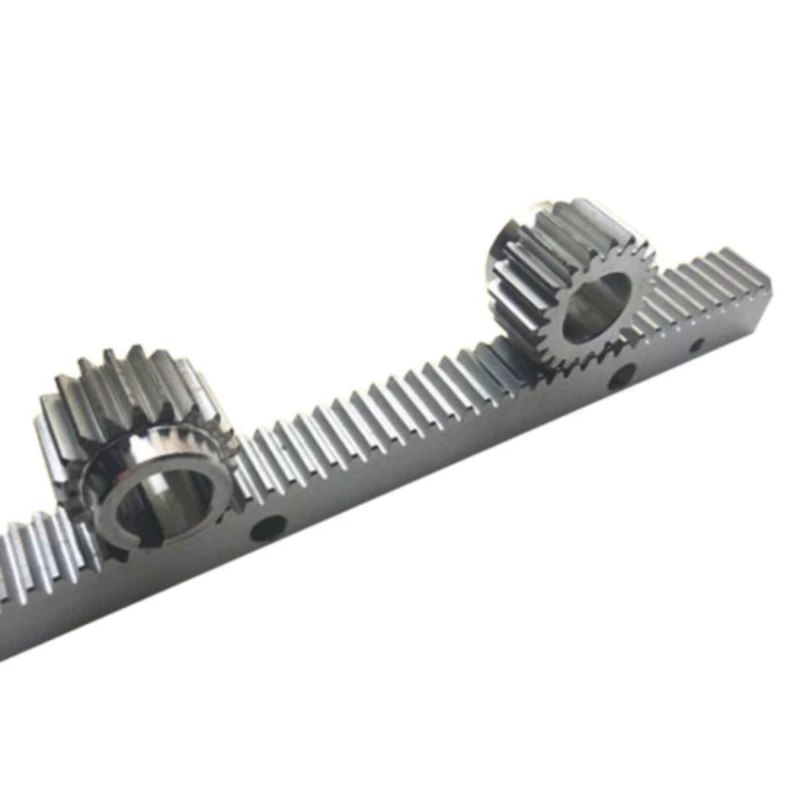
A stainless steel gear rack is a linear toothed component made from stainless steel that meshes with a gear to convert rotational motion into linear motion.

Advantages and Features
1. Transmission of Linear Motion
A stainless steel gear rack ensures efficient transmission of linear motion, allowing for precise movement.
2. High Strength and Durability
With its stainless steel construction, the gear rack offers high strength and durability, ensuring reliable performance even in demanding applications.
3. Resistance to Wear and Tear
The gear rack’s stainless steel material provides resistance to wear and tear, prolonging its lifespan and reducing the need for frequent replacements.
4. Corrosion Resistance
Stainless steel gear racks offer excellent resistance to corrosion, making them suitable for various environments, including industrial and marine applications.
5. Precise and Smooth Operation
Due to their high-quality construction and meshing with gears, stainless steel gear racks ensure precise and smooth operation, minimizing friction and vibration.

Applications
- Industrial Automation: Stainless steel gear racks find applications in various industrial automation systems, such as conveyor systems, packaging machinery, and robotics.
- Machinery and Equipment: They are used in automotive, textile, woodworking, and food processing machinery, among others.
- Marine and Offshore: Stainless steel gear racks are employed in marine propulsion systems and offshore equipment.
- Renewable Energy: Gear racks are used in wind turbine yaw control systems and solar tracking mechanisms.
- Medical and Laboratory Equipment: They find applications in medical imaging devices, precision instruments, and laboratory automation.
- Construction and Infrastructure: Gear racks are used in escalators, cranes, and various construction machinery.

Product Types
- Straight-Cut Gear Racks
- Helical Gear Racks
- Helical Gear Racks offer smoother and quieter operation compared to straight-cut racks.
- Modular Gear Racks

Working Principle
1. Rotary input: A rotary motion is provided by a driving gear, typically a gear with teeth arranged in a circular pattern.
2. Meshing with the gear rack: The teeth of the rotating gear engage with the teeth of the stainless steel gear rack. The gear rack is a linear component with teeth cut along its length.
3. Transfer of motion: As the driving gear rotates, its teeth push against the teeth of the gear rack. This interaction causes the gear rack to move linearly along its length.
4. Linear output: The linear motion of the gear rack can be harnessed for various applications, such as moving a carriage, actuating a mechanism, or driving a load.
5. Conversion of motion: The rotary motion of the driving gear is transformed into linear motion along the gear rack. This allows for precise and controlled movement in a straight line.
Selecting the Right Stainless Steel Gear Rack
- Load Capacity: Consider the maximum load the gear rack needs to support to ensure it can handle the required weight.
- Accuracy Requirements: Evaluate the level of precision required for the specific application to ensure the gear rack meets the desired accuracy standards.
- Length and Size: Determine the appropriate length and size of the gear rack based on the dimensions and space constraints of the equipment.
- Tooth Pitch and Module: Choose the tooth pitch and module that align with the gear and overall gear system requirements.
- Environmental Requirements: Consider the operating environment, such as temperature, humidity, and exposure to chemicals or corrosive substances, and select a gear rack that can withstand these conditions.
- Service Life: Assess the expected lifespan and durability of the gear rack to ensure it can withstand the intended usage and minimize maintenance or replacement needs.
- Cost-Effectiveness: Balance the desired features and quality with the overall cost to choose a gear rack that offers the best value for the investment.
Installation and Maintenance
Installation:
- Prepare the mounting surface.
- Align the gear rack.
- Secure the gear rack.
- Check gear engagement.
Maintenance:
- Regular cleaning.
- Lubrication.
- Inspect for damage.
- Check alignment.
- Monitor load capacity.
- Follow the manufacturer’s guidelines.

About EVER POWER
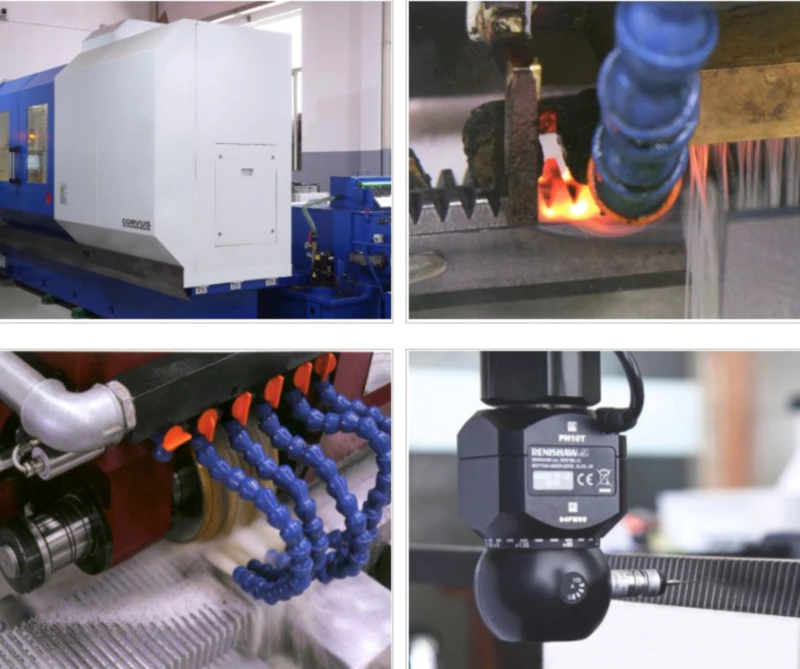
The EVER POWER company boasts over 100 professional rack production equipment and testing equipment. With a one-time processing length of up to 3000MM and a module range from M1 to M30, EVER POWER is continuously adapting to market changes.
For high-precision rack requirements, EVER POWER has introduced rack milling machines and rack grinding machines imported from Germany. These machines ensure the production of racks with precision levels up to (JIS2) DIN6n25, meeting the needs of the high-end market.
EVER POWER’s excellent products, affordable prices, and good service attitude have led to their products being exported to countries such as Spain, the Netherlands, the United States, South Korea, Turkey, and Russia. The company is committed to assisting customers in developing new products and solving technical and quality problems.
EVER POWER adheres to the principles of quality first, timely delivery, and credit first. They sincerely welcome business partners to cooperate and create brilliance together.
Besides stainless steel gear racks, EVER POWER also offers other rack products such as Gear Rack for Door Opener, Gear Rack for Elevator, Rack and Pinion Steering, and Metric Gear Rack. Customers are welcome to inquire about customized products.