Sprocket pulley for industrial conveyors
A sprocket pulley is a type of pulley that has teeth on its outer diameter. It is most commonly used in conveyor systems, where it is used to transmit power and motion between two parallel shafts. In this article, we will discuss the various aspects of sprocket pulleys, including their features, differences with other types of pulleys, and how to choose them for your specific needs.
What is a sprocket pulley?
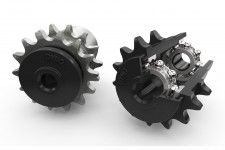
A sprocket pulley is a combination of a sprocket and a pulley. It has teeth on its outer diameter, like a sprocket, and a smooth inner diameter, like a pulley. The teeth on the outer diameter mesh with the teeth of a chain or belt, which then transmits power and motion between two parallel shafts. Sprocket pulleys are commonly used in conveyor systems in industries such as manufacturing, distribution, and packaging.
1. Sprocket pulleys have teeth on their outer diameter
The teeth on the outer diameter of sprocket pulleys are designed to mesh with the teeth of a chain or belt, which then transmits power and motion between two parallel shafts.
2. Sprocket pulleys are commonly used in conveyor systems
Sprocket pulleys are most commonly used in conveyor systems in industries such as manufacturing, distribution, and packaging.
3. Sprocket pulleys require less tension than other types of pulleys
Because the teeth on the outer diameter of sprocket pulleys mesh with the teeth of a chain or belt, they require less tension than other types of pulleys, such as V-belt pulleys.
4. Sprocket pulleys are available in a wide range of sizes and configurations
Sprocket pulleys are available in a wide range of sizes and configurations to meet the specific needs of different conveyor systems. They can be made from a variety of materials, including steel, aluminum, and plastic.
5. Sprocket pulleys are easy to install and maintain
Sprocket pulleys are relatively easy to install and maintain, and require minimal lubrication compared to other types of pulleys.
Features of Sprocket Pulley
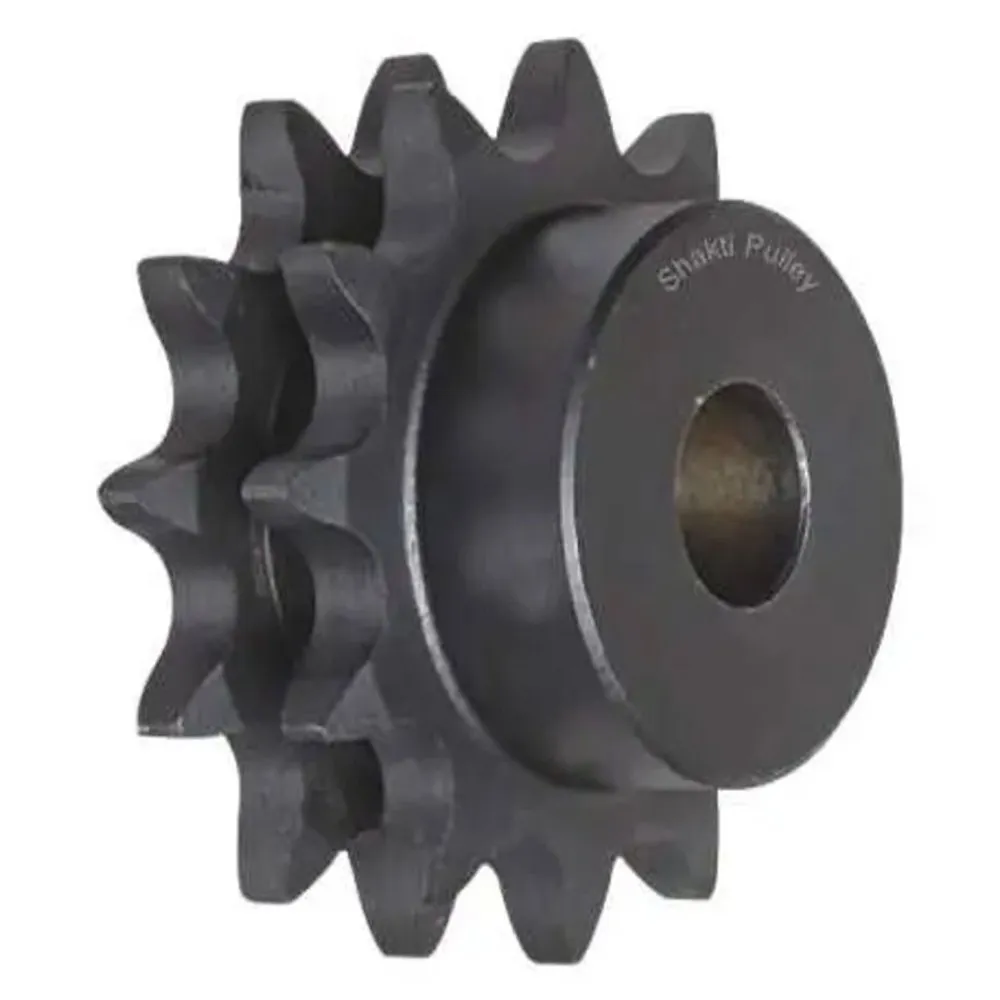
Sprocket pulleys come in a variety of designs and configurations, with different features that make them suitable for specific applications. Below are some of the most common features of sprocket pulleys:
1. High load capacity
Sprocket pulleys are designed to handle high loads and transmit power and motion between two parallel shafts.
2. Corrosion resistance
Sprocket pulleys can be made from materials that are resistant to corrosion, such as stainless steel, to ensure long-lasting performance in harsh environments.
3. Variable pitch design
Some sprocket pulleys have a variable pitch design, which allows for smoother engagement with the chain or belt and reduces wear and tear.
4. Interchangeable bushings
Many sprocket pulleys have interchangeable bushings, which allow for easy replacement and customization of the pulley for different applications.
5. Self-cleaning design
Some sprocket pulleys have a self-cleaning design, which helps to prevent debris buildup and prolong the life of the pulley.
What is the difference between a sprocket and a sheave?
While sprocket pulleys and sheaves are both types of pulleys, they have some key differences:
- A sprocket has teeth on its outer diameter, while a sheave is smooth.
- A sprocket is used with a chain or belt, while a sheave is used with a V-belt.
- A sprocket is designed to transmit power and motion, while a sheave is designed to change the direction of motion.
How to choose or customize a suitable sprocket pulley?
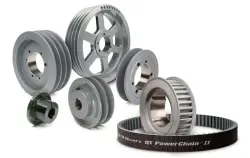
Choosing or customizing a suitable sprocket pulley requires consideration of several factors, including:
1. Chain or belt pitch
The pitch of the chain or belt must match the pitch of the sprocket pulley for proper engagement and transmission of power.
2. Number of teeth
The number of teeth on the sprocket pulley must be compatible with the number of teeth on the chain or belt for proper engagement.
3. Shaft size
The diameter of the shaft on which the sprocket pulley will be mounted must be compatible with the bore size of the pulley.
4. Material
The material of the sprocket pulley should be selected based on the specific application and environmental conditions, such as temperature, moisture, and corrosion resistance.
5. Design and configuration
The design and configuration of the sprocket pulley, including the number of teeth, pitch, and width, should be chosen based on the specific requirements of the application.
Recommendation
At HZPT, we specialize in designing, developing, and manufacturing high-performance sprocket pulleys for a wide range of conveyor systems. Our products are made from high-quality materials and have a range of features that make them suitable for various applications. Here are some advantages of our products and services:
1. High quality
Our sprocket pulleys are made from high-quality materials and are designed to meet the specific needs of different conveyor systems.
2. Customization options
We offer a range of customization options for our sprocket pulleys, including different materials, designs, and configurations.
3. Competitive pricing
We offer competitive pricing for our products and services, without compromising on quality or performance.
4. Fast delivery
We have a large inventory of sprocket pulleys and can deliver them quickly to meet the needs of our customers.
5. Excellent customer service
Our team of experts is dedicated to providing excellent customer service and support, from product selection to installation and maintenance.
Contact us today to learn more about our sprocket pulleys and how we can help you meet your specific needs.
Edited by : CX