Spline Shaft Condition Monitoring
Introduction
Spline shaft condition monitoring is a critical aspect of ensuring the smooth functioning and longevity of machinery. By closely monitoring the condition of spline shafts, operators can detect potential issues before they escalate into costly breakdowns and repairs. In this article, we will explore the various aspects of spline shaft condition monitoring and its significance in industrial settings.
1. Importance of Spline Shaft Condition Monitoring
Spline shafts play a crucial role in transmitting torque and rotational motion in machinery. Monitoring their condition is paramount for the following reasons:
- Preventive Maintenance: Regular monitoring helps identify early signs of wear and tear, allowing for timely maintenance and replacement.
- Reduced Downtime: By addressing potential issues proactively, unscheduled downtime due to spline shaft failures can be minimized.
- Cost Savings: Timely maintenance and replacement prevent catastrophic failures, saving significant repair and replacement costs.
2. Visual Inspection
Visual inspection is an essential component of spline shaft condition monitoring. It involves a thorough examination of the shaft for the following:
- Surface Damage: Scratches, dents, or pitting on the shaft’s surface can indicate excessive wear or improper handling.
- Misalignment: Visual inspection can help identify any misalignment between the spline shaft and mating components.
- Lubrication: Checking the presence and quality of lubrication ensures smooth operation and minimizes friction-induced damage.
3. Vibration Analysis
Vibration analysis is a powerful technique used to assess the condition of spline shafts. It involves measuring and analyzing vibrations to identify potential issues such as:
- Unbalance: Imbalances in the shaft can cause excessive vibrations, leading to premature failure.
- Misalignment: Vibration analysis can detect misalignment between the spline shaft and other rotating components.
- Fatigue: Monitoring vibrations helps identify signs of fatigue, such as cracks or fractures, indicating the need for immediate action.
4. Ultrasonic Testing
Ultrasonic testing is a non-destructive technique used to evaluate the internal condition of spline shafts. It utilizes high-frequency sound waves to detect flaws or discontinuities that may affect performance and reliability. Key applications of ultrasonic testing include:
- Detecting Internal Cracks: Ultrasonic waves can penetrate the shaft and identify hidden cracks or defects that may lead to catastrophic failures.
- Measuring Wall Thickness: By assessing the thickness of the shaft walls, potential thinning due to corrosion or erosion can be detected.
- Evaluating Bonding Integrity: Ultrasonic testing can verify the integrity of bonded surfaces, ensuring optimal performance and durability.
5. Thermal Imaging
Thermal imaging is a valuable tool for monitoring the temperature distribution along spline shafts. It helps identify abnormal heat patterns that may indicate potential issues such as:
- Frictional Heating: Excessive heat generation due to friction can be detected, signaling the need for lubrication or adjustments.
- Overloading: Overloaded spline shafts can experience localized heating, which can be identified through thermal imaging.
- Insulation Failure: Thermal anomalies along the shaft may indicate insulation failure, leading to electrical issues.
Conclusion
Spline shaft condition monitoring is an indispensable practice for maintaining the efficiency and reliability of machinery. By implementing visual inspection, vibration analysis, ultrasonic testing, and thermal imaging techniques, operators can ensure the early detection of potential issues, minimizing downtime and maximizing productivity. By investing in comprehensive condition monitoring programs, industries can optimize their operations and achieve long-term success.
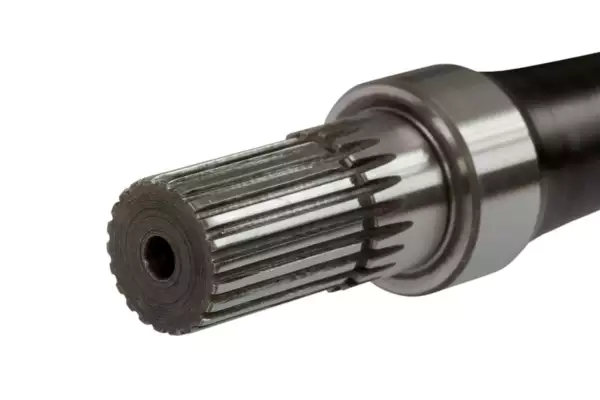
Our company specializes in the production and sale of various types of gears and spline shafts. With years of experience in the industry, we have established ourselves as a leading provider in the market. Below are five key advantages that set our company apart:
1. Quality Assurance
At our company, we prioritize quality in every step of the production process. From sourcing raw materials to the final inspection of finished products, we adhere to strict quality control measures. This ensures that our gears and spline shafts meet the highest standards of performance and durability.
2. Customization Options
We understand that each customer may have unique requirements. Therefore, we offer a wide range of customization options for our gears and spline shafts. Whether it’s a specific size, material, or design, our team of experts can tailor the products to meet your exact specifications.
3. Competitive Pricing
Our company strives to provide cost-effective solutions without compromising on quality. By optimizing our manufacturing processes and maintaining strong relationships with suppliers, we are able to offer competitive pricing for our gears and spline shafts. This allows our customers to achieve their goals while staying within their budget.
4. Prompt Delivery
We understand the importance of timely delivery in today’s fast-paced business environment. With a well-organized logistics system, we ensure that our gears and spline shafts are delivered to our customers on schedule. This helps minimize downtime and keeps your operations running smoothly.
5. Exceptional Customer Service
Customer satisfaction is our top priority. Our dedicated team of professionals is always ready to assist you at every stage of the process. Whether it’s product inquiries, technical support, or after-sales service, we are committed to providing prompt and reliable assistance to ensure a smooth and successful partnership.
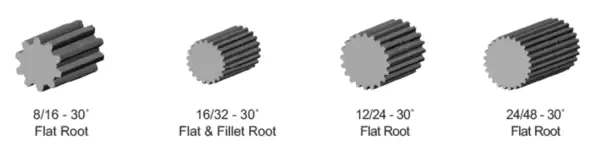
Spline Shaft Working Principle and Function
The spline shaft is an important component in various mechanical systems. It consists of a series of ridges or teeth that interlock with corresponding grooves in other components, such as gears or couplings. This interlocking mechanism allows for the transmission of torque and rotation between different parts of the system, enabling smooth and efficient power transfer.
Spline Shaft Design and Selection Guide
When designing and selecting spline shafts, several factors need to be considered. These include the required torque capacity, speed, misalignment tolerance, and environmental conditions. Our team of experts can provide comprehensive guidance and support in choosing the right spline shafts for your specific application, ensuring optimal performance and longevity.
Spline Shaft Manufacturing and Processing Techniques
The manufacturing and processing of spline shafts require precision and expertise. Our company utilizes advanced technologies and state-of-the-art equipment to ensure the highest level of accuracy and consistency in the production process. With our rigorous quality control measures, you can trust that our spline shafts are manufactured to the highest standards of excellence.
Spline Shaft Applications and Industry Practices
Spline shafts find extensive applications in various industries, including automotive, aerospace, machinery, and more. They are commonly used in power transmission systems, steering mechanisms, and other applications that require efficient torque transfer. Our company has worked with numerous clients across different sectors, providing reliable solutions and contributing to their success.
If you are looking for high-quality gears and spline shafts backed by exceptional service, we are the perfect partner for your needs. Contact us today to discuss your requirements and let us help you achieve your goals.
Author: Miya