Spiral bevel gear vibration and harmonic analysis
Introduction
In this blog post, we will delve into the topic of spiral bevel gear vibration and harmonic analysis. We will explore the various aspects and factors that contribute to the vibration and harmonics in spiral bevel gears. Understanding these phenomena is crucial for optimizing the performance and durability of these gears in mechanical systems.
1. The Basics of Spiral Bevel Gears
Spiral bevel gears are a type of gear system commonly used in various mechanical applications. They are designed to transmit torque and rotation between intersecting shafts at a specific angle. The unique spiral tooth pattern of these gears allows for smooth and efficient power transmission, even under high loads and speeds.
2. Vibration in Spiral Bevel Gears
Vibration is an inherent characteristic of any gear system, including spiral bevel gears. It can arise from different sources such as gear misalignment, tooth surface irregularities, and dynamic loads. Understanding the causes and effects of vibration in spiral bevel gears is essential for mitigating potential issues and optimizing their performance.
2.1 Gear Misalignment
Gear misalignment is one of the main contributors to vibration in spiral bevel gears. Misalignment can occur due to manufacturing errors, improper assembly, or wear and tear during operation. When the gears are not aligned correctly, it leads to uneven tooth contact and increased vibration levels.
2.2 Tooth Surface Irregularities
The presence of tooth surface irregularities, such as nicks, scratches, or pitting, can also contribute to vibration in spiral bevel gears. These irregularities disrupt the smooth meshing of the gears, causing vibration and potentially leading to premature wear and failure.
2.3 Dynamic Loads
Dynamic loads, resulting from the transmission of power and torque through the gears, can induce vibration in spiral bevel gears. These loads create varying forces and moments on the gear teeth, leading to fluctuations in the meshing behavior and resulting in vibration.
3. Harmonic Analysis of Spiral Bevel Gears
Harmonic analysis is a valuable tool for understanding the frequency components present in the vibration of spiral bevel gears. It helps identify the dominant vibration frequencies and their relationship with gear design parameters and operating conditions.
3.1 Frequency Components
The vibration of spiral bevel gears consists of various frequency components, including the meshing frequency, tooth bending frequencies, and higher harmonics. Each component contributes differently to the overall vibration behavior and can be analyzed to assess the gear’s performance and potential issues.
3.2 Gear Design Optimization
By conducting harmonic analysis, engineers can optimize the design of spiral bevel gears to minimize undesirable vibration and harmonics. Adjusting parameters such as the tooth profile, tooth contact ratio, and gear microgeometry can help reduce vibration levels and enhance gear performance.
Conclusion
In conclusion, spiral bevel gear vibration and harmonic analysis play a crucial role in understanding the behavior and performance of these gears. By investigating the causes of vibration and analyzing the harmonic components, engineers can optimize gear design and operation for improved efficiency and durability.
Author: Miya
Our Gear Manufacturing Process
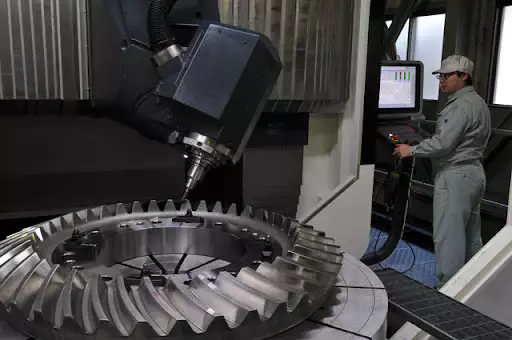
At our factory, we specialize in producing high-quality gears, including spiral bevel gears. Our manufacturing process involves the following steps:
- Raw Material Preparation: We start by preparing the raw material through forging and heat treatment processes.
- Rough Machining: The rough machining stage involves operations such as turning, drilling, and boring to shape the gear blanks.
- Forming Process: We use gear rolling, gear hobbing, and gear shaving to form the teeth and achieve the desired gear geometry.
- Semi-Precision Machining: This stage includes processes like chamfering, keyway machining, and deburring to ensure smooth edges and remove any burrs.
- Heat Treatment: The gears undergo heat treatment processes such as carburizing, nitriding, or quenching and tempering to enhance their hardness and strength.
- Precision Machining: In this stage, we perform gear grinding and honing to achieve the required gear specifications and surface finish.
- Inspection and Quality Control: We meticulously inspect and test the gears using advanced gear measurement techniques and ensure they meet the required standards.
About Our Factory
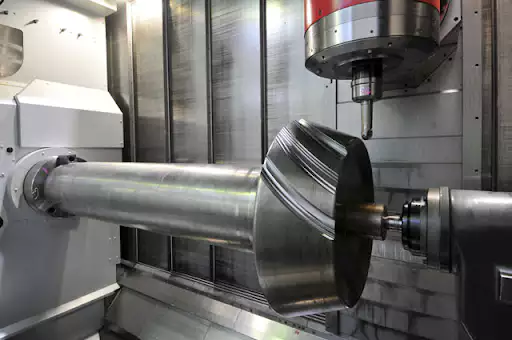
We are a professional gear manufacturing factory with several advantages that set us apart:
- Advanced Technology: We leverage state-of-the-art machinery and equipment to ensure precision and high-quality gear production.
- Experienced Team: Our team of skilled engineers and technicians has extensive knowledge and experience in gear manufacturing.
- Customization Capabilities: We offer customized gear solutions to meet specific customer requirements and applications.
- Strict Quality Control: Our rigorous quality control measures ensure that each gear produced meets the highest standards of performance and reliability.
- Timely Delivery: We prioritize efficiency in our production processes to ensure on-time delivery of gear orders.
- Competitive Pricing: Despite our high-quality standards, we strive to offer competitive pricing to our customers.
With our expertise and dedication to excellence, we are committed to providing top-notch gear solutions for various industries and applications.
Author: Miya