The Single-Rod Double-Acting Hydraulic Cylinder
In the realm of hydraulic systems, the single-rod double-acting hydraulic cylinder stands out as a versatile and efficient component. This type of cylinder features a single piston rod that extends and retracts using hydraulic pressure. The key defining feature of this cylinder is its ability to generate force in both directions of motion.
Principles of Single-Rod Double-Acting Cylinder
- Single-rod double-acting cylinders utilize hydraulic fluid to extend and retract the piston rod.
- They operate on the principle of applying pressure to one side of the piston while simultaneously releasing pressure on the other side.
- Compared to single-acting cylinders, double-acting cylinders offer greater control over motion and force generation.
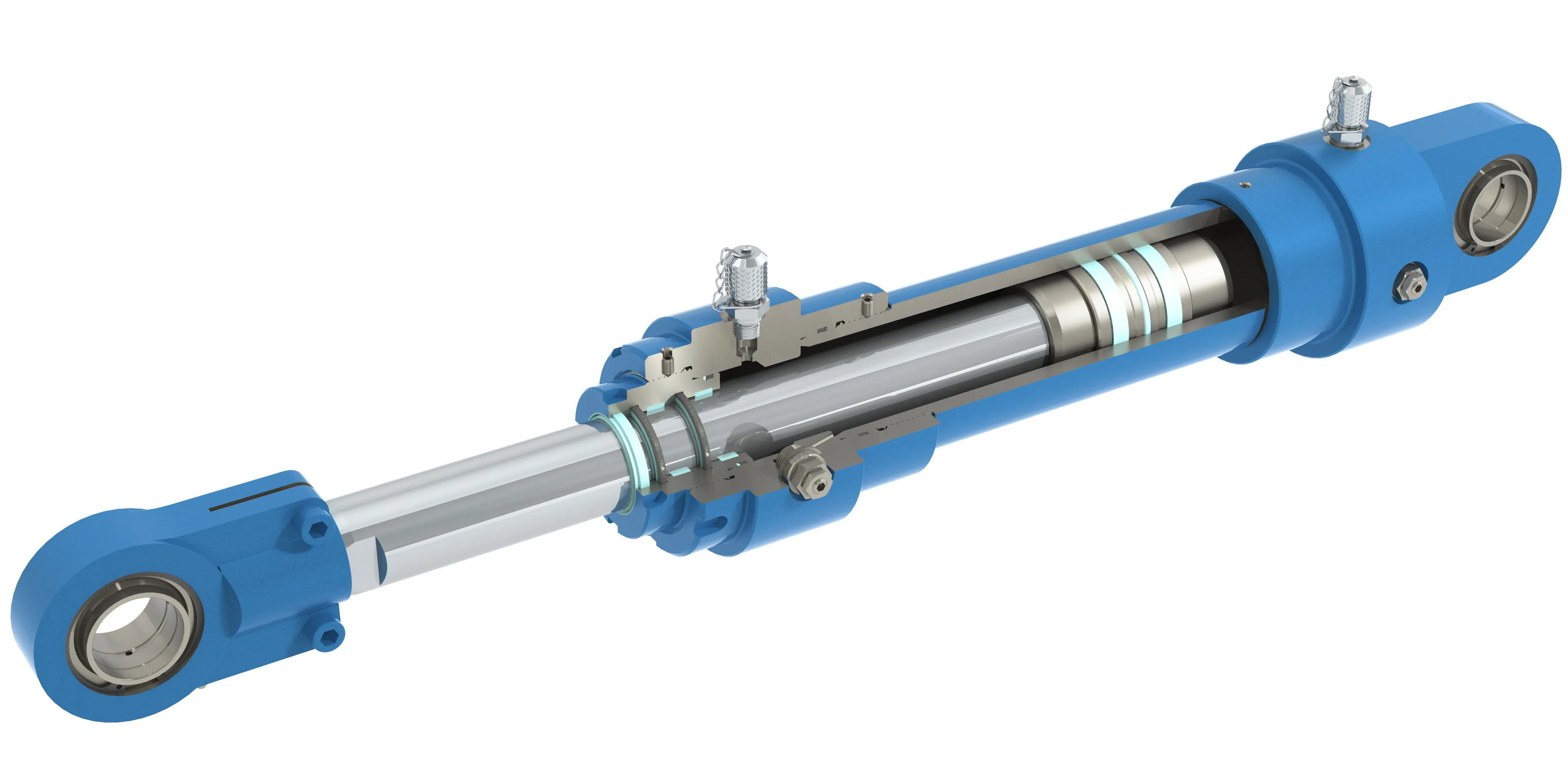
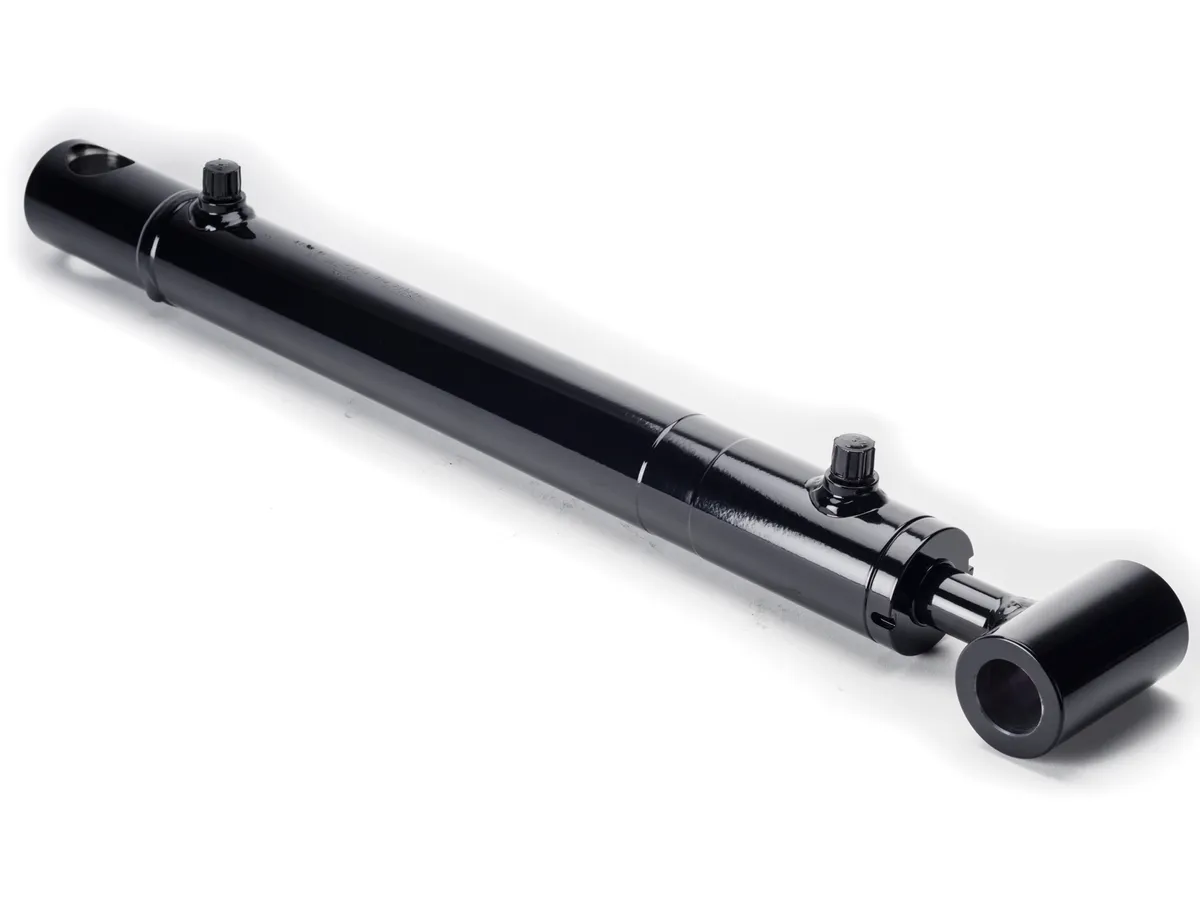
One of the main distinctions between single-rod double-acting cylinders and other drive systems is their ability to provide force in both directions of motion. This feature makes them ideal for applications requiring precise control and versatility.
Components and Structure
The single-rod double-acting hydraulic cylinder consists of essential components such as a cylinder barrel, piston, piston rod, seals, and hydraulic connections. These components work together to convert hydraulic energy into linear motion efficiently.
Design and construction play a crucial role in the performance of these cylinders. Factors such as material selection, machining precision, and seal quality impact the overall functionality and reliability of the cylinder.
Working Principle
When in operation, the single-rod double-acting cylinder uses hydraulic pressure to extend or retract the piston rod. This action generates force that can be controlled and directed according to the application’s requirements.
- The force generation mechanism relies on the differential pressure between the two sides of the piston.
- Stroke control is achieved by regulating the flow of hydraulic fluid into and out of the cylinder.
The performance characteristics of these cylinders include high load capacity, precise motion control, and reliable operation. However, limitations such as potential leakage and maintenance requirements should be considered.
Types and Configurations
Single-rod double-acting hydraulic cylinders come in various types and configurations to suit different applications. These include tie-rod cylinders, welded cylinders, and telescopic cylinders, each designed for specific use cases.
Each type offers unique features and benefits, catering to diverse industrial needs. Understanding the differences between these configurations is essential for selecting the most suitable cylinder for a particular application.
Advantages
- Compact design for space-efficient installations
- High load capacity for heavy-duty applications
- Robust construction for durability and longevity
- Leak resistance for reliable operation
- Cost-effective solution with low maintenance requirements
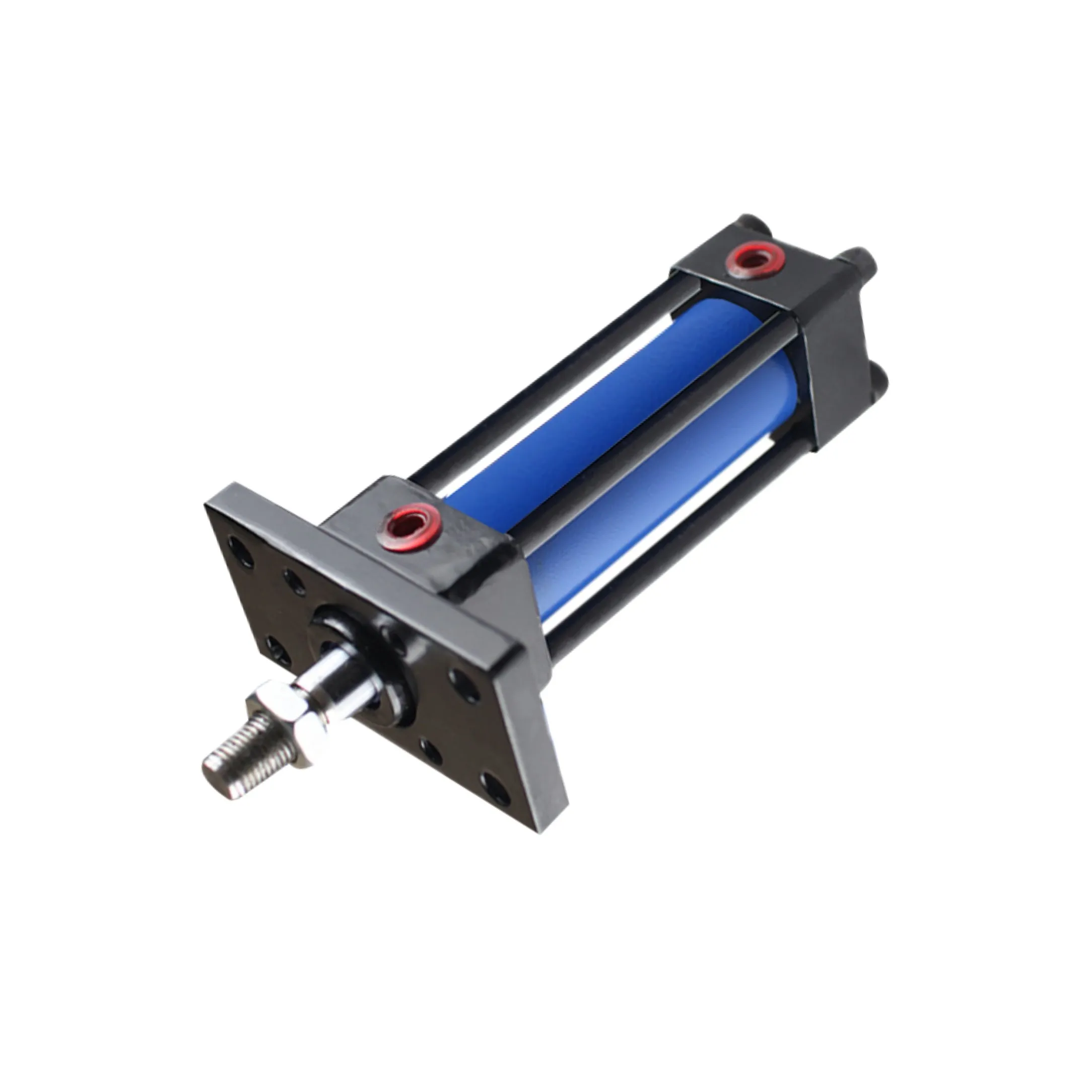
These advantages make single-rod double-acting cylinders a popular choice in industries such as construction, manufacturing, transportation, and more. Their versatility and performance capabilities ensure optimal efficiency in various machinery and equipment.
Industries and Applications
Single-rod double-acting hydraulic cylinders find widespread use in industries such as construction, where they power equipment like excavators and cranes. In manufacturing, these cylinders drive presses and injection molding machines, showcasing their adaptability.
Transportation sectors rely on these cylinders for applications in vehicles and cargo handling systems, while industrial settings utilize them in machinery for material handling and processing. The versatility of single-rod double-acting cylinders makes them indispensable across various sectors.
Selection Considerations
Choosing the right single-rod double-acting cylinder involves evaluating factors such as load requirements, stroke length, cylinder size, inner diameter, and rod diameter. Calculating the necessary force and considering design considerations are crucial steps in selecting the optimal cylinder for a specific application.
Sealing Technology and Structure
Sealing technology plays a vital role in the performance of single-rod double-acting cylinders. Proper seals prevent leakage and ensure efficient operation. Understanding the compatibility of sealing materials with hydraulic fluids and selecting suitable cylinder structural materials are essential considerations.
Speed Control and Buffers
Controlling cylinder speed and movement is critical for precise operation. Adjustable buffering options help prevent shock and vibration, enhancing cylinder performance. Implementing effective buffering solutions contributes to smoother motion control and increased operational efficiency.
Maintenance and Inspection
- Regular inspection to detect potential issues early
- Proper lubrication to maintain optimal performance
- Seal replacement to prevent leakage and maintain efficiency
Adhering to preventive maintenance measures ensures the longevity and reliability of single-rod double-acting hydraulic cylinders. These tasks help identify and address maintenance needs promptly, minimizing downtime and maximizing productivity.
Installation Guide
Proper installation of single-rod double-acting cylinders is crucial for optimal performance. Following manufacturer guidelines, ensuring correct alignment, and verifying hydraulic connections are essential steps in the installation process. Attention to detail during installation enhances cylinder efficiency and longevity.
Safety Considerations
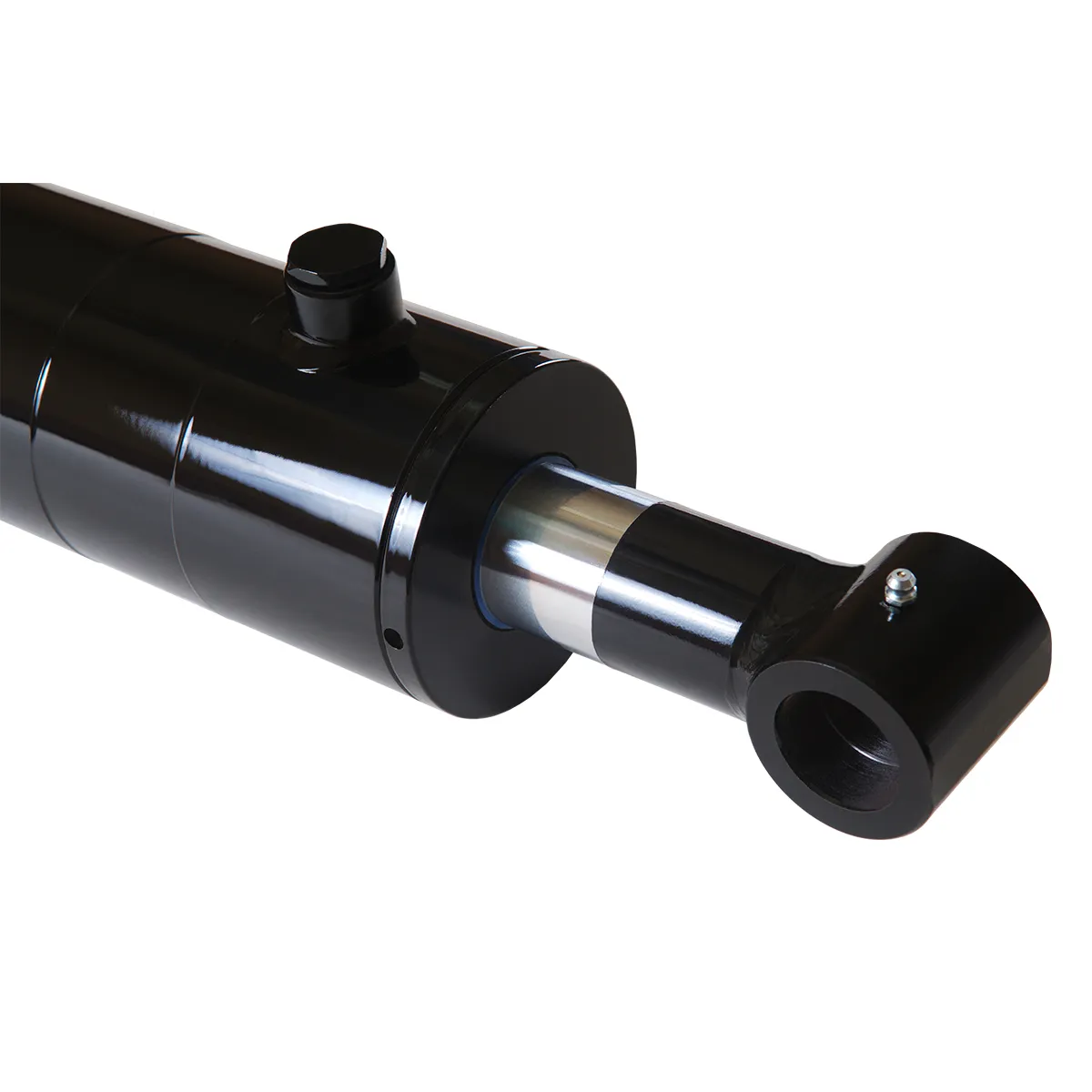
Ensuring safety measures when using single-rod double-acting cylinders is paramount to prevent accidents and injuries. Adhering to operational guidelines, implementing protective measures, and conducting regular safety inspections contribute to a secure working environment.
Fault Diagnosis and Solutions
Diagnosing common problems in single-rod double-acting hydraulic cylinders requires a systematic approach. Understanding fault symptoms, identifying root causes, and implementing effective solutions are essential for maintaining cylinder performance. Troubleshooting tips help address issues promptly and minimize downtime.
Common Questions
1. How does a single-rod double-acting hydraulic cylinder work?
2. What are the advantages of using a single-rod double-acting hydraulic cylinder?
3. What are the applications of single-rod double-acting hydraulic cylinders?
1. A single-rod double-acting cylinder operates by utilizing hydraulic pressure to extend and retract the piston rod, generating force in both directions of motion.
2. The advantages of using a single-rod double-acting hydraulic cylinder include compact design, high load capacity, robust construction, leak resistance, cost-effectiveness, and suitability for harsh industrial environments.
3. Single-rod double-acting hydraulic cylinders are widely used in industries such as construction, manufacturing, transportation, and various industrial sectors for applications requiring precise motion control and high load capacity.
Long-Tail Keywords
1. “Single-Rod Double-Acting Cylinder for Heavy-Duty Applications”
2. “Versatile Single-Rod Hydraulic Cylinder Solutions”
3. “Efficient Double-Acting Cylinder Performance”
Company Focus
As a leading hydraulic cylinder replacement manufacturer, our company offers a comprehensive product line tailored to diverse industrial needs. With a focus on professionalism, international certification, customized services, advanced production equipment, and reliable after-sales support, we strive to deliver high-quality hydraulic solutions to our customers.
Author: lyl