“`html
Shaft Connection Types
Introduction to Shaft Connections
Shaft connections play a crucial role in mechanical systems, ensuring efficient power transmission between different components. Understanding the diverse types of shaft connections is essential for selecting the appropriate method for specific applications.
Rigid Shaft Connections
Rigid shaft connections provide a solid link between two shafts, maintaining alignment and allowing no relative movement. They are ideal for applications where precise alignment and minimal play are critical.
Flexible Shaft Connections
Flexible shaft connections accommodate misalignment, reducing stress on shafts and other components. They are commonly used in applications where vibration and thermal expansion are concerns.
Universal Joints
Universal joints allow for the transmission of torque between shafts that are not in perfect alignment. They are often utilized in automotive applications and other systems requiring angular flexibility.
Oldham Couplings
Oldham couplings are designed to accommodate lateral misalignment. They consist of three parts: two hubs and a center disc that slides between them, making them suitable for applications where small axial movements occur.
Jaw Couplings
Jaw couplings offer a combination of rigidity and flexibility. They have interlocking jaws made of metal or elastomer, providing damping of vibration and allowing slight misalignment.
Disc Couplings
Disc couplings consist of thin metal discs connected to the hubs, capable of compensating for misalignment while maintaining high torsional stiffness. They are ideal for high-speed and high-torque applications.
Gear Couplings
Gear couplings use gear teeth to transmit torque, enabling the accommodation of angular misalignment and slight axial displacement. They are robust and suitable for heavy-duty applications.
Grid Couplings
Grid couplings consist of a flexible grid that fits into the grooves of the coupling hubs. They provide excellent vibration damping and misalignment accommodation, making them suitable for various industrial applications.
Splined Shaft Connections
Splined shaft connections utilize splines (ridges or teeth) on the shaft and hub to transmit torque. They ensure precise alignment and are commonly used in heavy machinery and automotive systems.
Keyed Connections
Keyed connections involve a key inserted into keyways on the shaft and hub, providing a simple and reliable method for transmitting torque and preventing relative rotation.
Clamping Hubs
Clamping hubs use a clamping mechanism to secure the shaft, providing a versatile solution for shafts of varying diameters and enabling easy assembly and disassembly.
Set Screw Connections
Set screw connections use screws that are tightened against the shaft to hold it in place. They are straightforward but may not be suitable for high-torque applications due to potential slippage.
Taper Lock Bushes
Taper lock bushes offer a method for securing hubs to shafts using a tapered bushing. This provides a secure and concentric connection, often used in pulleys and sprockets.
Pin and Bush Couplings
Pin and bush couplings use pins and flexible bushings to connect shafts, accommodating misalignment and damping vibrations, making them suitable for various industrial applications.
Conclusion
Understanding the various types of shaft connections is essential for ensuring optimal performance and longevity of mechanical systems. By selecting the appropriate connection type, one can achieve efficient power transmission and reduce maintenance requirements.
Visual Representation of Shaft Coupling
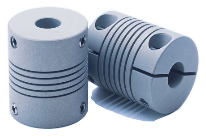
What are the three types of coupling?
Couplings can be broadly categorized into three types: rigid, flexible, and fluid couplings. Rigid couplings provide a solid and fixed connection between two shafts, ensuring alignment and minimal play. Flexible couplings, on the other hand, accommodate misalignment and reduce stress on the connected components, making them ideal for applications where vibration and thermal expansion might be concerns. Fluid couplings use a fluid medium to transmit torque, providing smooth and controlled power transmission, commonly used in automotive and industrial applications.
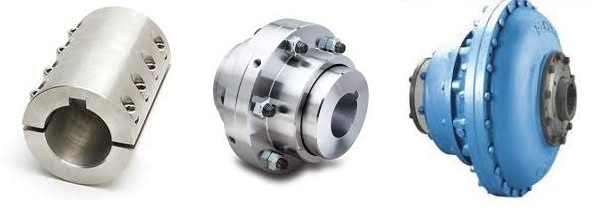
What coupling is used to connect two shafts?
When selecting a coupling to connect two shafts, several parameters and conditions must be considered:
- Torque Requirements: The coupling must withstand the maximum torque of the application without failure.
- Misalignment: The degree of angular, parallel, and axial misalignment between the shafts must be accommodated by the coupling.
- Operating Speed: High-speed applications require couplings that maintain balance and minimize vibration.
- Environmental Conditions: Factors such as temperature, humidity, and exposure to chemicals must be considered.
- Maintenance and Accessibility: Ease of installation, maintenance, and accessibility can influence the choice of coupling.
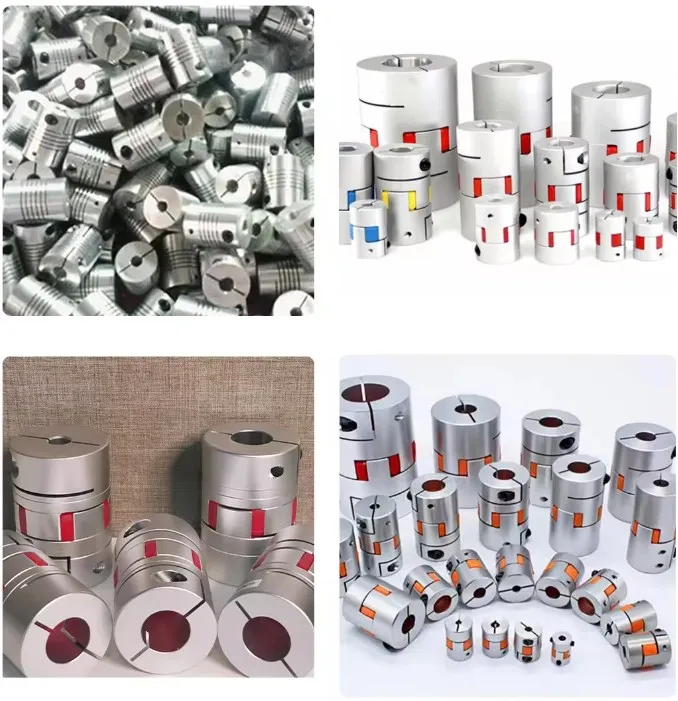
What are the two general types of shaft couplings?
There are two general types of shaft couplings: rigid couplings and flexible couplings. Rigid couplings provide a fixed connection between two shafts, ensuring precise alignment and minimal play, making them suitable for applications with exacting alignment requirements. Flexible couplings, on the other hand, allow for some degree of misalignment, accommodating angular, parallel, and axial displacement, which helps in reducing stress on the shafts and other connected components.
HZPT: Your Trusted Partner in Shaft Couplings
HZPT, based in Hangzhou, Zhejiang Province, is a modern enterprise that integrates R&D, manufacturing, and international trade. We are committed to our core values of “integrity” and operate with the principles of unity, progress, and innovation.
Our company specializes in the production of various shaft coupling products, including gear couplings, spring pin couplings, serpentine spring couplings, universal joints, star couplings, expansion couplings, diaphragm couplings, and tire couplings. We have a complete and scientific quality management system, as well as our own technical development and testing departments, with certifications like CQC, ISO, and CE.
We offer excellent sales services and technical support to our clients, serving hundreds of cooperative enterprises with the business philosophy of “people-oriented, customer first.” We work closely with our clients for mutual development and shared success.
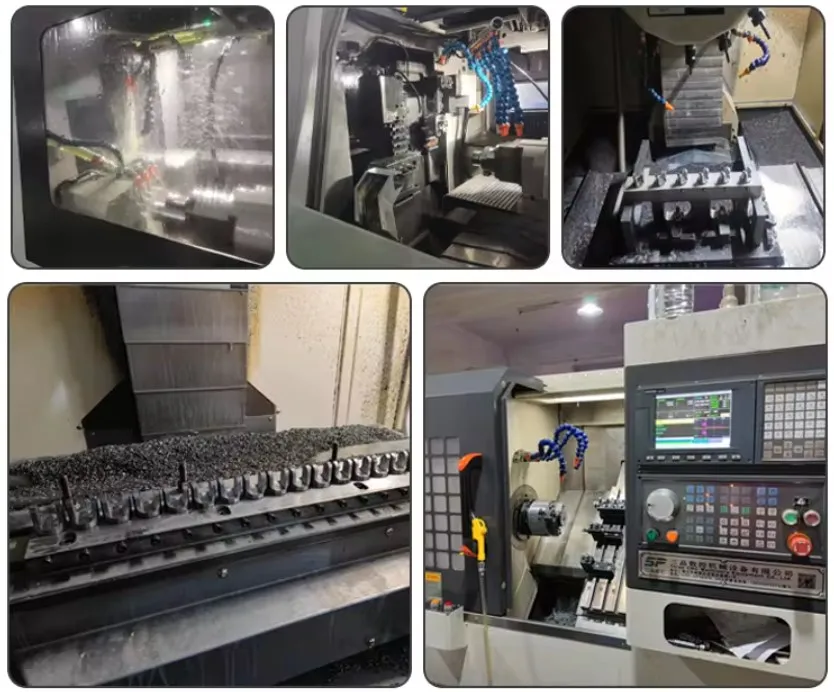
Why choose HZPT for your shaft coupling needs?
- Extensive Range of Products: We provide a wide variety of shaft couplings to meet diverse industrial requirements.
- High Quality Standards: Our products are manufactured under strict quality control, ensuring reliability and durability.
- Technological Innovation: We continuously innovate and improve our products to meet the evolving needs of our clients.
- Global Reach: Our business spans Asia, Europe, Africa, and North America, making us a globally recognized brand.
- Customer-centric Approach: We prioritize customer satisfaction and work closely with our clients to provide customized solutions.
Contact us today to discover how HZPT can help you achieve optimal performance and efficiency in your mechanical systems.
“`