Servo motors in automotive crash test simulations
In the field of automotive safety, crash test simulations play a crucial role in ensuring the integrity and performance of vehicles. One of the key components used in these simulations is the servo motor. In this article, we will explore the significance of servo motors in automotive crash test simulations and their various applications.
1. Understanding the role of servo motors in crash test simulations
Servo motors are electromechanical devices that provide precise control and movement in various applications. In automotive crash test simulations, these motors are used to replicate the movements of different vehicle parts, such as steering systems, suspension components, and safety features. By accurately simulating these movements, engineers can evaluate the performance and safety of vehicles under different impact scenarios.
2. The importance of precise motion control
In crash test simulations, it is essential to replicate real-world scenarios as accurately as possible. Servo motors excel in providing precise motion control, allowing engineers to mimic the dynamic behavior of a vehicle during a crash. This level of control ensures that the simulation accurately represents the actual conditions, enabling engineers to gather reliable data for analysis and improvement.
3. Applications of servo motors in crash test simulations
3.1 Steering system simulation
In a crash scenario, the steering system is subjected to extreme forces and impacts. By utilizing servo motors, engineers can accurately simulate the dynamic behavior of the steering system, allowing them to assess its performance and integrity during a crash. This information is crucial for designing safer and more reliable steering systems.
3.2 Suspension component simulation
The suspension system plays a vital role in a vehicle’s ability to absorb impacts and provide stability. Servo motors are used to replicate the movements and forces experienced by suspension components during a crash. This simulation helps engineers evaluate the performance of the suspension system and optimize its design for enhanced safety.
3.3 Safety feature evaluation
Servo motors are also employed in crash test simulations to assess the effectiveness of various safety features, such as airbags and seatbelt tensioners. By accurately replicating the deployment and activation of these safety features, engineers can analyze their performance and make necessary improvements to ensure occupant safety.
4. Company promotion and introduction
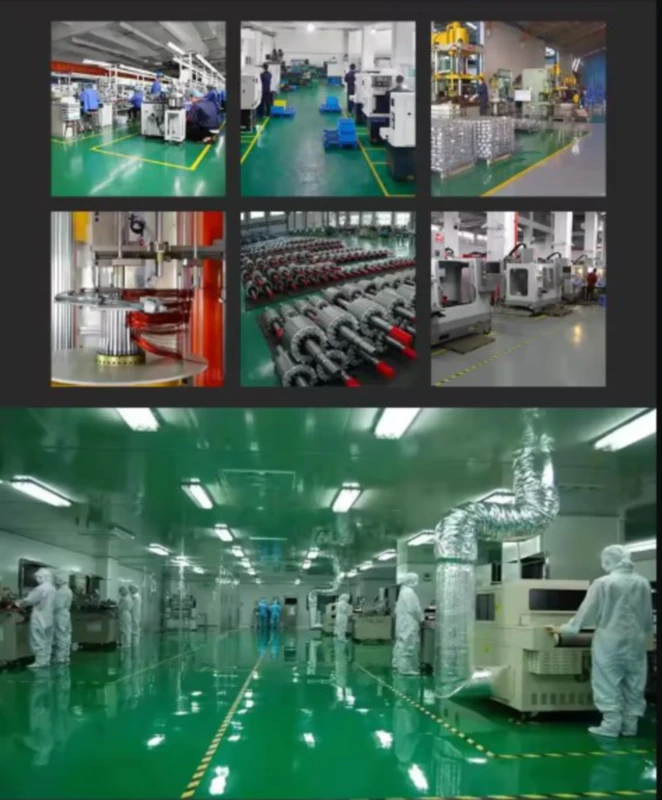
As a leading player in the Chinese motor market, Ever-Power offers a wide range of products, including servo motors, brake motors, hydraulic motors, Bauer gear motors, hydraulic pistons, and driveline motors. With a design and production capacity of 200,000 sets, Ever-Power is committed to delivering high-quality products, competitive prices, and excellent service. We welcome customers to customize their requirements through drawings and samples.

5. Usage scenarios
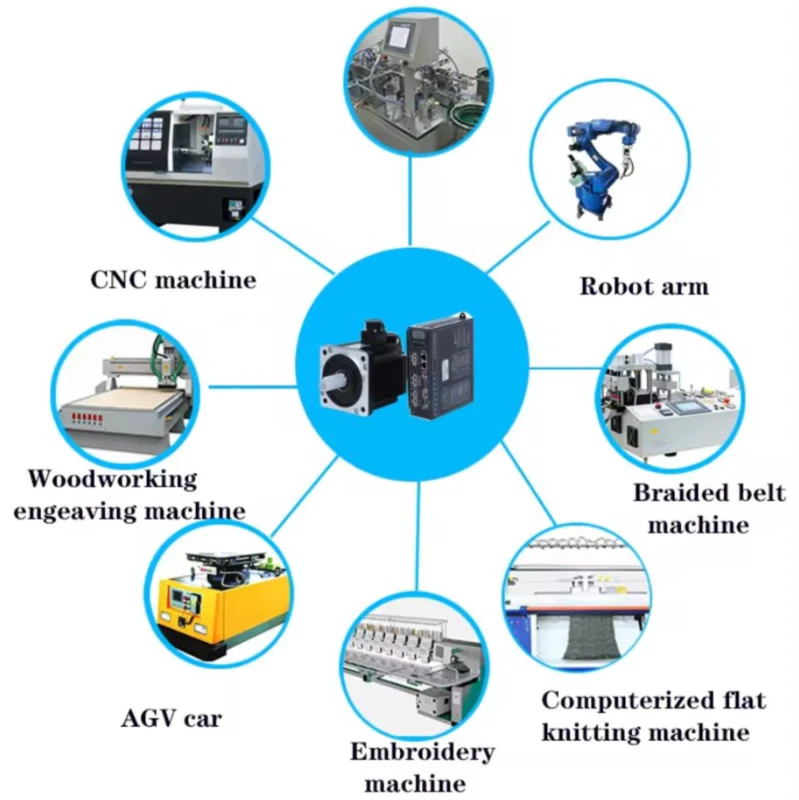
With the ability to provide precise motion control, servo motors find extensive usage in various applications. In automotive crash test simulations, these motors are specifically employed to replicate the movements of different vehicle parts, ensuring accurate and reliable data for analysis and improvement.
Q&A:
Q1: How do servo motors contribute to the accuracy of crash test simulations?
A1: Servo motors provide precise motion control, allowing engineers to replicate the dynamic behavior of vehicle parts accurately. This accuracy ensures that the crash test simulation closely resembles real-world conditions, resulting in reliable data for analysis.
Q2: What are the main applications of servo motors in crash test simulations?
A2: Servo motors are used in simulating steering systems, suspension components, and safety features. These motors enable engineers to assess the performance and safety of these aspects during a crash, leading to improvements in vehicle design.
Q3: Why is precise motion control essential in crash test simulations?
A3: Precise motion control is vital because it allows engineers to accurately replicate the movements and forces experienced by different vehicle parts during a crash. This level of control ensures the simulation’s accuracy and enables accurate analysis of a vehicle’s performance and safety features.