Introduction to Single-Rod Double-Acting Hydraulic Cylinders
In the realm of hydraulic systems, the single-rod double-acting hydraulic cylinder plays a crucial role in various industrial applications. These cylinders are designed to convert fluid power into linear mechanical force and motion. They are known for their efficiency, reliability, and versatility in diverse settings.
Principles of Single-Rod Double-Acting Cylinders
Single-rod double-acting hydraulic cylinders operate on the principle of utilizing hydraulic fluid to extend and retract the piston rod. This design allows for force to be applied in both directions, enabling precise control over movement. Unlike single-acting cylinders, which only exert force in one direction, double-acting cylinders provide bi-directional force output.
Components and Structure
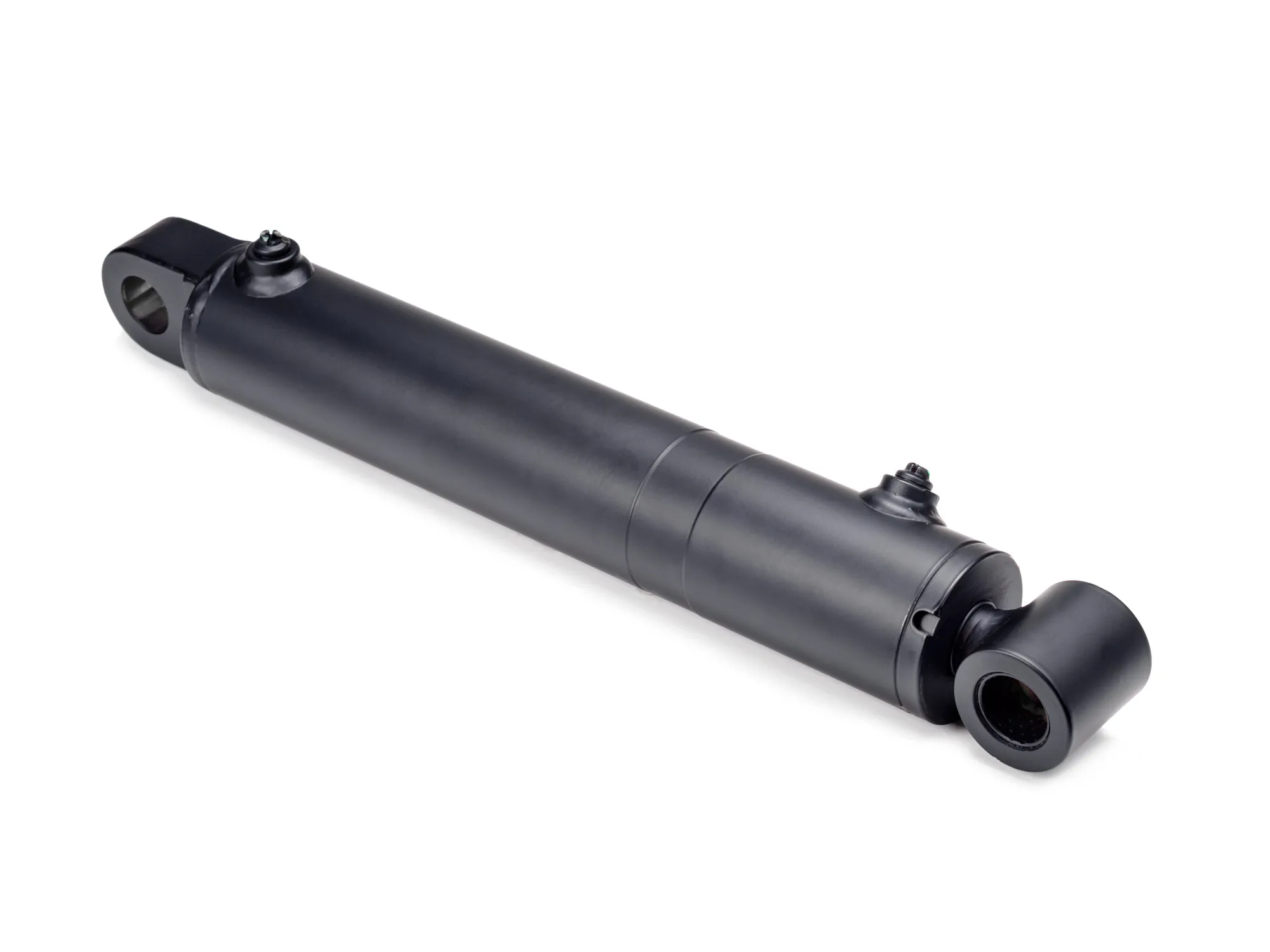
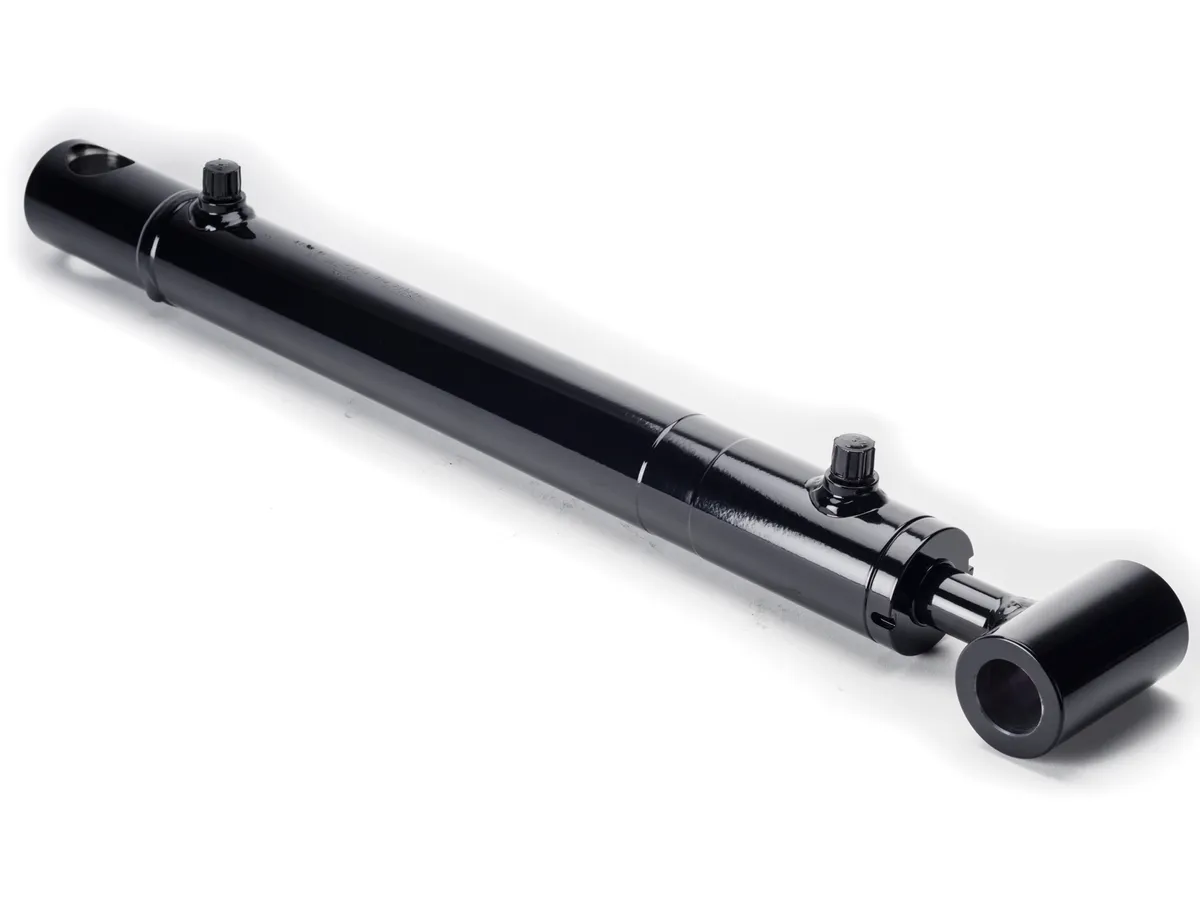
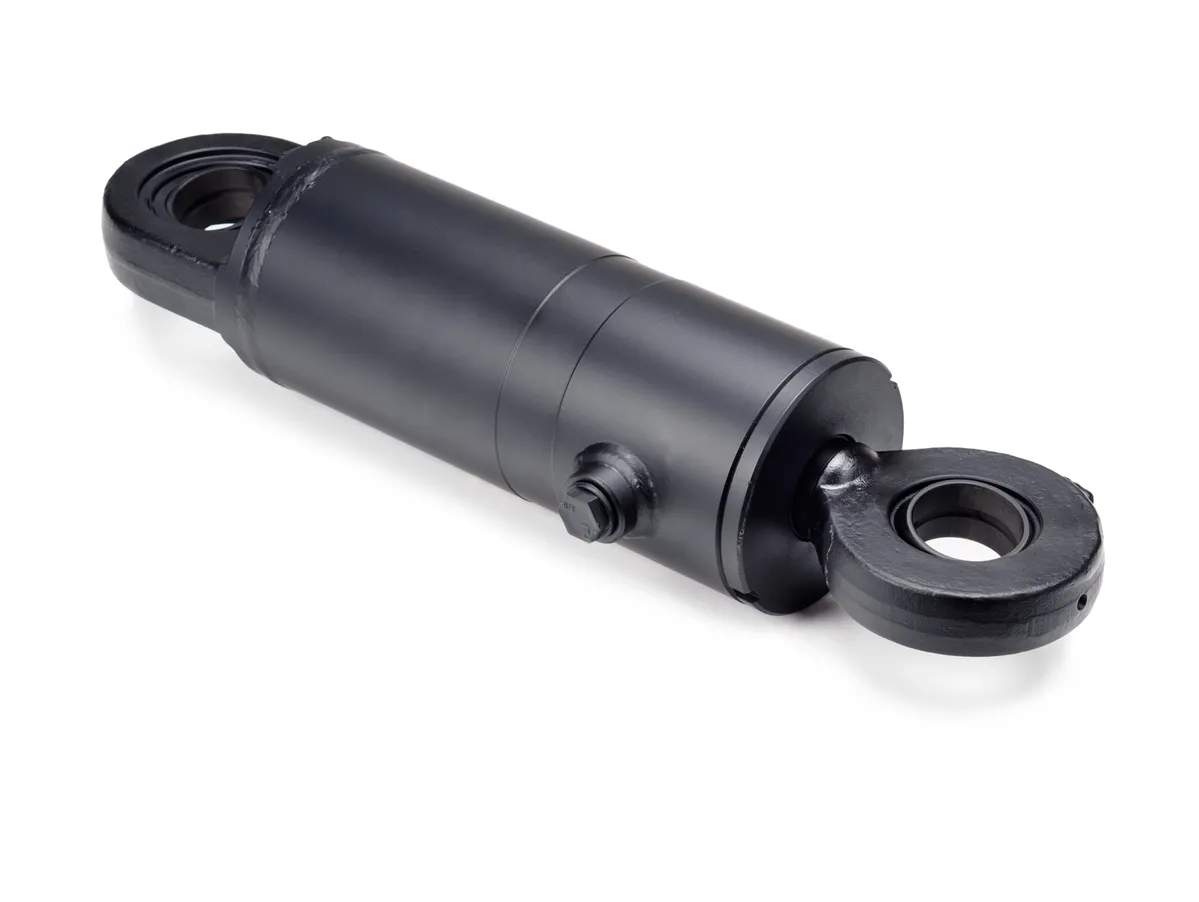
The components of a single-rod double-acting hydraulic cylinder include a piston, rod, barrel, seals, and hydraulic fluid. These elements work together to enable smooth and efficient operation. The cylinder’s structure is robust and durable, capable of withstanding high loads and harsh industrial conditions.
Working Principle
When hydraulic fluid is pressurized, it enters the cylinder, pushing the piston to extend the rod. Conversely, when the fluid pressure is reversed, the piston retracts the rod. This back-and-forth movement generates the desired linear force for various applications. Stroke control mechanisms ensure precise positioning and movement.
Advantages of Single-Rod Double-Acting Cylinders
- Compact design for space efficiency
- High load capacity for heavy-duty tasks
- Robust construction for durability
- Leak resistance for operational integrity
- Cost-effective solution for industrial needs
Applications
Single-rod double-acting hydraulic cylinders find extensive use in construction, manufacturing, transportation, and other industries. They are integral components in machinery such as presses, cranes, loaders, and more. These cylinders enable precise control and efficient force generation in diverse operational scenarios.
Considerations for Selection
When choosing a single-rod double-acting cylinder, factors like cylinder size, force calculations, stroke length, inner diameter, and rod diameter must be carefully evaluated. These considerations ensure optimal performance and compatibility with specific application requirements.
Sealing Technology and Structure

The seal in a hydraulic cylinder is critical for preventing fluid leakage and maintaining operational efficiency. Different sealing materials and structural components play a key role in ensuring long-term reliability and performance. Proper maintenance and material selection are essential for seal integrity.
Control and Buffering
Controlling cylinder speed and movement is essential for safe and efficient operation. Adjustable buffering options help prevent shock and vibration, enhancing overall performance and longevity. Proper adjustment and maintenance of buffering systems optimize cylinder functionality.
Maintenance and Safety
Regular inspection and preventive maintenance are crucial for ensuring the longevity and reliability of hydraulic cylinders. Proper lubrication, seal replacement, and calibration inspections help prevent issues and maintain optimal performance. Safety considerations and environmental factors must also be prioritized in cylinder operation.
Company Focus
Our company specializes in manufacturing high-quality hydraulic cylinders for diverse industrial applications. With a comprehensive product line and a commitment to excellence, we have established ourselves as a leading manufacturer and distributor in the global market. Our focus on professionalism, international standards, customization, production capabilities, and after-sales service sets us apart in the industry.
Author: lyl