Rack and Pinion Steering System: Stability Enhancement Techniques
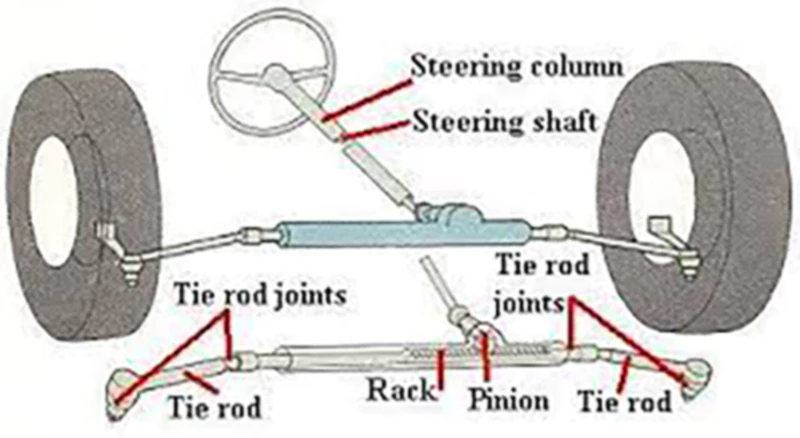
Rack and pinion steering is a type of steering mechanism commonly used in vehicles to control the direction of the front wheels. It involves the use of a rack, a long, straight bar with teeth, and a pinion gear. The rack is a linear component positioned horizontally and connected to the front wheels through tie rods. The pinion gear, which is a small gear, meshes with the teeth on the rack. The pinion gear is connected to the steering wheel via the steering column.
Advantages of Rack and Pinion Steering
1. Precise Steering Response
Rack and pinion steering systems are renowned for their accurate steering response. The direct connection between the steering wheel and the wheels ensures that any input from the driver is immediately translated into movement of the wheels. This precision enhances the driver’s control over the vehicle, leading to improved handling and safety.
2. Compact Design
The compact design of rack and pinion steering systems makes them ideal for modern vehicles, where space is often at a premium. The straightforward mechanism of the rack and pinion takes up less room than other steering systems, allowing for more efficient use of space within the vehicle’s chassis.
3. Reduced Friction
Rack and pinion steering systems operate with minimal friction. The meshing of the pinion gear with the rack ensures smooth and efficient movement, reducing wear and tear on the components. This not only enhances the lifespan of the steering system but also ensures consistent performance over time.
4. Easy Maintenance
Maintaining a rack and pinion steering system is typically straightforward. The simplicity of the design means there are fewer components to inspect and service. Regular maintenance tasks, such as checking and replacing fluids or lubricating moving parts, can be carried out with ease, ensuring the system remains in optimal condition.
5. Cost-effectiveness
Due to their simplicity and efficiency, rack and pinion steering systems tend to be more cost-effective compared to other types of steering mechanisms. The fewer moving parts mean lower production costs and reduced likelihood of costly repairs, making them a popular choice for many vehicle manufacturers.
6. Durability
The robust construction of rack and pinion steering systems contributes to their durability. The components are designed to withstand the rigors of daily driving, providing reliable performance over the long term. This durability reduces the frequency of replacements and repairs, adding to the overall cost-effectiveness of the system.
7. Environmental Benefits
Rack and pinion steering systems offer several environmental benefits. Their efficient operation reduces fuel consumption, lowering the vehicle’s carbon footprint. Additionally, the reduced need for repairs and replacements means fewer resources are consumed over the lifecycle of the vehicle, contributing to sustainability.

How Rack and Pinion Steering Works
1. The Steering Wheel
The driver inputs commands through the steering wheel, which is the starting point of the steering process. The movement of the wheel is transmitted down the steering column to the pinion gear.
2. The Steering Column
The steering column connects the steering wheel to the pinion gear. It serves as the conduit through which the driver’s inputs are conveyed to the steering mechanism, ensuring precise control over the vehicle’s direction.
3. The Pinion Gear
The pinion gear, attached to the end of the steering column, meshes with the teeth on the rack. As the driver turns the steering wheel, the pinion gear rotates, moving the rack linearly to the left or right.
4. The Rack
The rack is a straight bar with teeth that meshes with the pinion gear. The linear movement of the rack, driven by the rotation of the pinion gear, is what ultimately turns the vehicle’s wheels.
5. The Tie Rods
The tie rods connect the rack to the steering knuckles on the front wheels. They transmit the linear movement of the rack to the wheels, ensuring that they turn in response to the driver’s input.
6. The Steering Knuckles
The steering knuckles are pivotal components that connect the tie rods to the wheels. They facilitate the turning of the wheels by allowing them to pivot as the tie rods move.
7. Turning the Wheels
The combined action of the tie rods and steering knuckles turns the wheels. The amount of turn is proportional to the movement of the rack, which in turn is determined by the rotation of the steering wheel.
8. Power Steering
Many modern rack and pinion steering systems incorporate power steering, which uses hydraulic or electric assistance to reduce the effort required by the driver to turn the steering wheel. This enhances comfort and control, especially at low speeds.

Applications of Rack and Pinion Steering
1. Passenger Cars
Rack and pinion steering systems are widely used in passenger cars due to their precise control and compact design. They enable drivers to maneuver their vehicles with ease, providing a comfortable and responsive driving experience.
2. Trucks and SUVs
In trucks and SUVs, rack and pinion steering systems offer the necessary durability and performance to handle heavier loads and tougher driving conditions. They ensure stability and control, even in challenging terrains.
3. Buses
Buses benefit from rack and pinion steering systems through improved handling and ease of maintenance. The precise steering response enhances safety for both the driver and passengers, contributing to a smoother ride.
4. Motorcycles
Motorcycles use a modified version of rack and pinion steering for precise and responsive control. The system’s reliability and compactness make it suitable for the limited space available on motorcycles.
5. Off-Road Vehicles
Off-road vehicles require robust and reliable steering systems to navigate rough terrains. Rack and pinion steering provides the necessary durability and control, allowing drivers to tackle challenging environments with confidence.
6. Heavy-Duty Vehicles
Heavy-duty vehicles, such as construction equipment and agricultural machinery, utilize rack and pinion steering for its robustness and precision. The system’s ability to handle high loads and its ease of maintenance make it ideal for these applications.


Installation and Maintenance of Rack and Pinion Steering
Installation
1. Select the Right System
Choosing the appropriate rack and pinion steering system involves considering the vehicle type, load requirements, and driving conditions. Ensuring compatibility is crucial for optimal performance.
2. Prepare the Vehicle
Preparing the vehicle for installation involves lifting it securely and ensuring all necessary tools and components are on hand. Safety precautions must be observed during this process.
3. Remove the Old Steering System
Removing the existing steering system involves carefully detaching all connections and components. This step requires precision to avoid damaging other parts of the vehicle.
4. Mount the Rack
Mounting the new rack involves securing it in place within the chassis. Proper alignment is essential to ensure smooth and correct operation.
5. Connect the Steering Column
The steering column must be connected to the pinion gear accurately. This connection ensures that the driver’s inputs are effectively transferred to the rack.
6. Install Tie Rods and Linkages
Installing the tie rods and linkages involves attaching them to the rack and steering knuckles. This step requires precision to maintain proper alignment and function.
7. Check Clearances and Interferences
Checking for clearances and interferences ensures that all components move freely without obstruction. Proper adjustments are made to achieve optimal clearance.
Maintenance
1. Regular Inspections
Regular inspections are essential to identify any wear or damage early. This proactive approach helps in maintaining the system’s efficiency and longevity.
2. Fluid Level and Quality
Maintaining the correct fluid level and quality is crucial for hydraulic power steering systems. Regular checks and timely replacements ensure smooth operation.
3. Lubrication
Proper lubrication of moving parts reduces friction and wear. Regular lubrication ensures the system operates smoothly and extends the lifespan of components.
4. Wheel Alignment
Wheel alignment must be checked and adjusted periodically to ensure the vehicle’s stability and to prevent uneven tire wear. Proper alignment enhances the steering system’s performance.
5. Address Issues Promptly
Any issues identified during inspections or regular use should be addressed promptly. Ignoring minor problems can lead to significant repairs and safety concerns.