Rack and Pinion Steering System Gear
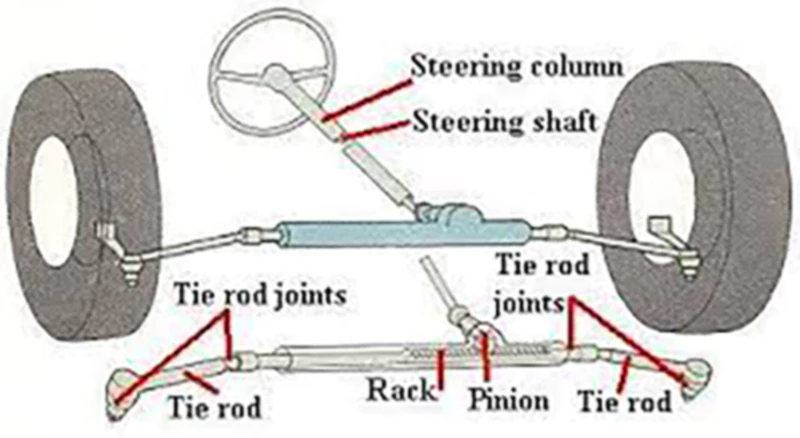
The rack and pinion steering system is a type of steering mechanism commonly used in vehicles to control the direction of the front wheels. It involves the use of a rack, a long, straight bar with teeth, and a pinion gear. The rack is a linear component positioned horizontally and connected to the front wheels through tie rods. The pinion gear, which is a small gear, meshes with the teeth on the rack. The pinion gear is connected to the steering wheel via the steering column.
Advantages of Rack and Pinion Steering System
1. Precise Steering Response
The rack and pinion system provides highly precise steering response, offering drivers an exact and immediate reaction to their input. This system reduces the play and slack often found in other steering mechanisms, making it particularly suitable for vehicles requiring high maneuverability and control.
2. Compact Design
The compact design of the rack and pinion steering system makes it ideal for modern vehicles with limited space. Unlike other steering systems that require more components and space, this system integrates easily into smaller cars and sports vehicles without compromising performance.
3. Reduced Friction
With fewer moving parts and direct contact between the rack and pinion gear, the system experiences reduced friction. This not only enhances the efficiency of steering but also prolongs the life of the steering components, leading to lower maintenance needs.
4. Easy Maintenance
Maintenance of the rack and pinion steering system is relatively straightforward. The simplicity of the design allows for quick diagnostic checks and repairs, ensuring that vehicle downtime is minimized and maintenance costs are kept low.
5. Cost-effectiveness
From a financial perspective, the rack and pinion system is cost-effective. The simplicity of its design reduces manufacturing costs, and its durability ensures fewer replacements and repairs, making it a financially sound choice for both manufacturers and vehicle owners.
6. Durability
The materials and construction methods used in the rack and pinion system contribute to its durability. It is built to withstand the daily stresses of driving and is less prone to wear and tear compared to other steering systems, thereby ensuring a longer operational lifespan.
7. Environmental Benefits
The efficiency and durability of the rack and pinion steering system contribute to its environmental benefits. Less frequent replacements and repairs mean reduced waste and lower demand for new parts, making it an environmentally friendly choice.

Working Principle
1. The Steering Wheel
The steering wheel is the driver¡¯s primary interface with the vehicle’s steering system. When the driver turns the steering wheel, this motion is transferred through the steering column to the pinion gear.
2. The Steering Column
The steering column connects the steering wheel to the pinion gear. It serves as a conduit for the driver¡¯s steering inputs, transmitting the rotational motion from the wheel to the pinion gear.
3. The Pinion Gear
The pinion gear, attached to the end of the steering column, converts the rotational motion from the steering wheel into linear motion. It meshes with the teeth on the rack, driving the rack to move left or right.
4. The Rack
The rack is a long, straight bar with teeth that engage with the pinion gear. As the pinion gear rotates, it moves the rack laterally. This lateral motion is critical for turning the vehicle¡¯s wheels.
5. The Tie Rods
Tie rods connect the ends of the rack to the steering knuckles. They transfer the motion from the rack to the wheels, enabling the vehicle to turn based on the driver¡¯s input.
6. The Steering Knuckles
The steering knuckles are connected to the tie rods and the wheels. They pivot based on the motion transmitted from the tie rods, thus turning the wheels.
7. Turning the Wheels
As the steering knuckles pivot, they cause the wheels to turn. This turning motion allows the vehicle to change direction as commanded by the driver through the steering wheel.
8. Power Steering
In many modern vehicles, the rack and pinion system is assisted by power steering. This can be hydraulic or electric, reducing the effort required by the driver to turn the steering wheel, especially at low speeds.

Applications of Rack and Pinion Steering System
1. Passenger Cars
The rack and pinion steering system is extensively used in passenger cars due to its precise steering response and compact design. It enhances the driving experience by providing smooth and accurate steering.
2. Trucks and SUVs
Trucks and SUVs benefit from the durability and reliability of the rack and pinion system. It is capable of handling the additional weight and stress associated with these larger vehicles.
3. Buses
Buses utilize rack and pinion steering for its robustness and ease of maintenance. The system’s reliability ensures safe and efficient operation in public transportation.
4. Motorcycles
Some high-performance motorcycles use a form of rack and pinion steering for improved handling and control. The system allows for precise steering inputs, which is crucial for navigating tight corners at high speeds.
5. Off-Road Vehicles
Off-road vehicles require a steering system that can withstand harsh conditions. The rack and pinion system offers the necessary durability and precision for navigating difficult terrains.
6. Heavy-Duty Vehicles
Heavy-duty vehicles such as construction equipment and agricultural machinery also employ rack and pinion steering systems. Their reliability and low maintenance requirements make them suitable for demanding tasks.


Installation and Maintenance of Rack and Pinion Steering System
Installation
1. Select the Right System
Choosing the correct rack and pinion system that matches the vehicle’s specifications is crucial for optimal performance and fit.
2. Prepare the Vehicle
Before installation, ensure the vehicle is appropriately prepared. This includes securing it safely and removing any necessary components to access the steering system.
3. Remove the Old Steering System
Carefully disconnect and remove the old steering system components, ensuring not to damage any surrounding parts. Proper documentation of the removal process can aid in installing the new system.
4. Mount the Rack
Install the new rack by positioning it correctly and securing it with the appropriate hardware. Ensure it is mounted securely to avoid any future issues.
5. Connect the Steering Column
Reconnect the steering column to the pinion gear, ensuring all connections are tight and correctly aligned. Proper alignment is crucial for smooth steering operation.
6. Install Tie Rods and Linkages
Attach the tie rods and linkage components to the rack and the steering knuckles. Accurate installation ensures effective steering response and vehicle handling.
7. Check Clearances and Interferences
Inspect the entire system to ensure there are no clearance issues or interferences. Adjust components as necessary to guarantee smooth operation.
Maintenance
1. Regular Inspections
Conduct regular inspections of the steering system to identify any signs of wear or damage. Early detection can prevent major issues and costly repairs.
2. Fluid Level and Quality
For power-assisted systems, maintaining the correct fluid level and ensuring the fluid is clean is essential for optimal performance.
3. Lubrication
Ensure all moving parts are properly lubricated to reduce friction and wear. Regular lubrication can extend the lifespan of the steering components.
4. Wheel Alignment
Maintaining proper wheel alignment is crucial for the steering system’s performance and tire longevity. Misalignment can cause uneven tire wear and steering difficulties.
5. Address Issues Promptly
Any unusual noises, vibrations, or steering issues should be addressed promptly. Delaying repairs can lead to more significant problems and safety concerns.
6. Professional Servicing
Regular professional servicing ensures the steering system is inspected and maintained by experts. Professional checks can identify and fix issues that might be missed during routine inspections.

Common Problems and Solutions
1. Leakage of Power Steering Fluid
Power steering fluid leaks can lead to reduced steering performance and potential damage to the system. Identifying the source of the leak and replacing worn seals or hoses can resolve this issue.
2. Excessive Play or Loose Steering
Excessive play or looseness in the steering can compromise vehicle control. This problem can often be resolved by tightening or replacing worn components within the steering assembly.
3. Stiff or Hard-to-Turn Steering
Stiff steering can result from low power steering fluid levels, damaged components, or issues with the power steering pump. Ensuring proper fluid levels and inspecting for mechanical failures can alleviate this problem.
4. Uneven Tire Wear
Uneven tire wear can indicate misalignment or worn-out steering components. Regular wheel alignment and inspection of the steering system can prevent and correct uneven tire wear