Rack and Pinion Steering Compatibility
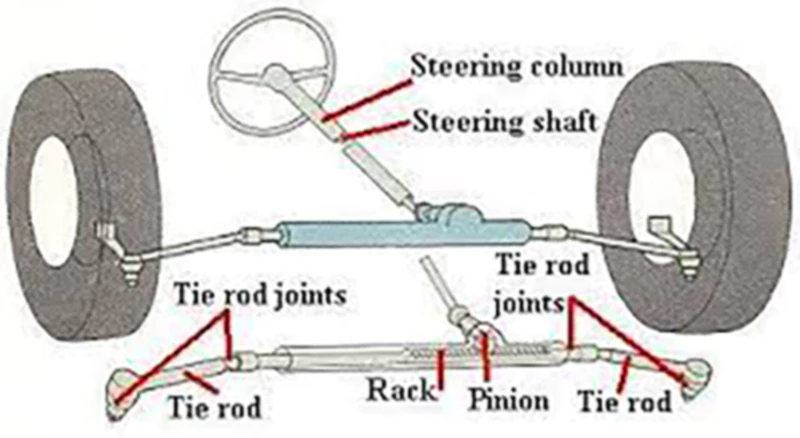
Rack and pinion steering is a type of steering mechanism commonly used in vehicles to control the direction of the front wheels. It involves the use of a rack, a long, straight bar with teeth, and a pinion gear. The rack is a linear component positioned horizontally and connected to the front wheels through tie rods. The pinion gear, which is a small gear, meshes with the teeth on the rack. The pinion gear is connected to the steering wheel via the steering column.
Advantages
1. Precise Steering Response
The rack and pinion steering system offers a highly precise steering response, allowing drivers to have better control over their vehicles. This system translates the rotational motion of the steering wheel into linear motion, providing a direct connection between the driver and the wheels. As a result, drivers can expect immediate and accurate feedback from the steering mechanism, making it easier to navigate through tight corners and challenging driving conditions.
2. Compact Design
Another significant advantage of rack and pinion steering is its compact design. Unlike traditional steering systems that require bulky components, rack and pinion assemblies are lightweight and require less space. This compactness allows for more freedom in vehicle design, making it easier to incorporate the steering system into various types of vehicles, including small cars and sports models.
3. Reduced Friction
Rack and pinion steering systems are designed to minimize friction, which translates to smoother and more efficient steering. The direct connection between the steering wheel and the rack reduces the number of moving parts, thereby lessening the frictional forces that can impede steering performance. Reduced friction also contributes to less wear and tear on the system components, extending their overall lifespan.
4. Easy Maintenance
Maintenance of a rack and pinion steering system is relatively straightforward. The simplicity of the design means fewer parts need regular maintenance or replacement. Additionally, the accessibility of the components makes it easier for technicians to perform routine inspections, lubrication, and adjustments. This ease of maintenance contributes to lower overall costs and increased reliability of the steering system.
5. Cost-Effectiveness
The rack and pinion steering mechanism is cost-effective both in terms of initial installation and long-term maintenance. Its simplified design requires fewer components, reducing manufacturing and assembly costs. Furthermore, the reduced need for frequent repairs and replacements makes it a more economical choice for vehicle owners, contributing to lower total ownership costs over time.
6. Durability
Durability is a key advantage of rack and pinion steering systems. The sturdy construction of the rack and pinion gears ensures that they can withstand significant stress and strain during operation. This durability is particularly beneficial for vehicles that are subjected to harsh driving conditions or heavy loads, as the steering system can maintain its performance and reliability over an extended period.
7. Environmental Benefits
Rack and pinion steering systems offer environmental benefits by contributing to improved fuel efficiency. The direct and efficient transfer of motion reduces the energy required for steering maneuvers, leading to lower fuel consumption. Additionally, the reduced friction and wear on components minimize the generation of waste and the need for frequent part replacements, thereby reducing the environmental impact associated with manufacturing and disposal.

Working Principle
1. The Steering Wheel
The steering wheel is the driver’s interface for controlling the direction of the vehicle. When the driver turns the steering wheel, it initiates the process of steering by transmitting the rotational motion to the steering column.
2. The Steering Column
The steering column connects the steering wheel to the pinion gear. It serves as a conduit for the rotational motion generated by the driver, ensuring that the motion is accurately transferred to the pinion gear.
3. The Pinion Gear
The pinion gear is a small, toothed wheel that meshes with the teeth on the rack. As the steering wheel is turned, the pinion gear rotates, converting the rotational motion into linear motion along the rack.
4. The Rack
The rack is a long, straight bar with teeth that engage with the pinion gear. The linear motion of the rack is responsible for moving the tie rods, which in turn control the angle of the front wheels.
5. The Tie Rods
Tie rods are the connecting links between the rack and the steering knuckles. They transmit the linear motion from the rack to the steering knuckles, allowing for the precise adjustment of the wheel angles.
6. The Steering Knuckles
The steering knuckles are pivotal components that connect the tie rods to the front wheels. They enable the wheels to pivot and change direction in response to the motion of the tie rods.
7. Turning the Wheels
When the driver turns the steering wheel, the rotational motion is transmitted through the steering column to the pinion gear. The pinion gear then moves the rack, which in turn moves the tie rods and steering knuckles to turn the front wheels.
8. Power Steering
Power steering systems enhance the ease of steering by providing additional force to assist the driver’s input. This can be achieved through hydraulic or electric power steering mechanisms, which reduce the effort required to turn the steering wheel.

Application Scenarios
1. Passenger Cars
Rack and pinion steering systems are commonly used in passenger cars due to their compact design and precise steering response. These characteristics make them ideal for city driving and highway cruising, where maneuverability and control are essential.
2. Trucks and SUVs
Trucks and SUVs benefit from the durability and reliability of rack and pinion steering systems. The robust construction of the system components ensures that they can handle the increased weight and stress associated with larger vehicles.
3. Buses
Buses require steering systems that can provide both precision and durability. Rack and pinion steering systems meet these requirements, allowing for safe and efficient navigation through urban streets and highways.
4. Motorcycles
Motorcycles utilize simplified versions of rack and pinion steering mechanisms to provide responsive and accurate steering. This ensures that riders can maintain control and stability at high speeds and during sharp turns.
5. Off-Road Vehicles
Off-road vehicles benefit from the ruggedness and reliability of rack and pinion steering systems. These systems can withstand the harsh conditions and rough terrains encountered in off-road driving, ensuring consistent performance.
6. Heavy-Duty Vehicles
Heavy-duty vehicles, such as construction equipment and agricultural machinery, rely on the durability and strength of rack and pinion steering systems. These systems provide the necessary control and precision for operating in demanding environments.


Installation and Maintenance
Installation
1. Select the Right System
Choosing the appropriate rack and pinion steering system for your vehicle is crucial. Consider factors such as vehicle type, weight, and intended use to ensure compatibility and optimal performance.
2. Prepare the Vehicle
Before installation, ensure that the vehicle is properly prepared. This includes securing the vehicle on a lift or jack stands and disconnecting the battery to avoid any electrical hazards.
3. Remove the Old Steering System
Carefully remove the existing steering system components, including the steering column, tie rods, and any associated linkages. Take note of the original setup to facilitate the installation of the new system.
4. Mount the Rack
Position the new rack in place and secure it using the appropriate mounting hardware. Ensure that the rack is aligned correctly to avoid any issues during operation.
5. Connect the Steering Column
Reattach the steering column to the pinion gear, ensuring a secure and precise connection. This step is crucial for accurate steering input and response.
6. Install Tie Rods and Linkages
Connect the tie rods and other linkages to the rack and steering knuckles. Ensure that all connections are tight and properly aligned to avoid any play or misalignment during operation.
7. Check Clearances and Interferences
Verify that there are no interferences or clearance issues with the new steering system. Turn the steering wheel fully in both directions to ensure smooth operation and adequate clearance.
Maintenance
1. Regular Inspections
Conduct regular inspections of the steering system to identify any signs of wear or damage. Addressing issues early can prevent more significant problems and ensure the longevity of the system.
2. Fluid Level and Quality
For vehicles with power steering, check the fluid levels regularly and ensure that the fluid is in good condition. Replace the fluid as recommended by the manufacturer to maintain optimal performance.