Introduction to Push-Type Single-Acting Hydraulic Cylinder
The push-type single-acting hydraulic cylinder is an essential component in hydraulic tools, designed to exert force in one direction. These cylinders operate on the principle of fluid pressure acting on a piston, driving the rod in a single direction while returning through an external force or spring mechanism.
Principles of Single-Acting Cylinder
- The push-type single-acting hydraulic cylinder utilizes hydraulic pressure to extend the piston rod.
- The return stroke is achieved either through an external force or a spring mechanism.
- These cylinders are commonly used in applications where force is required in one direction only.
Compared to double-acting cylinders, single-acting cylinders have a simpler design and are more cost-effective. They are commonly used in various industrial applications, such as construction, manufacturing, and transportation.
Components and Structure of Push-Type Single-Acting Hydraulic Cylinder
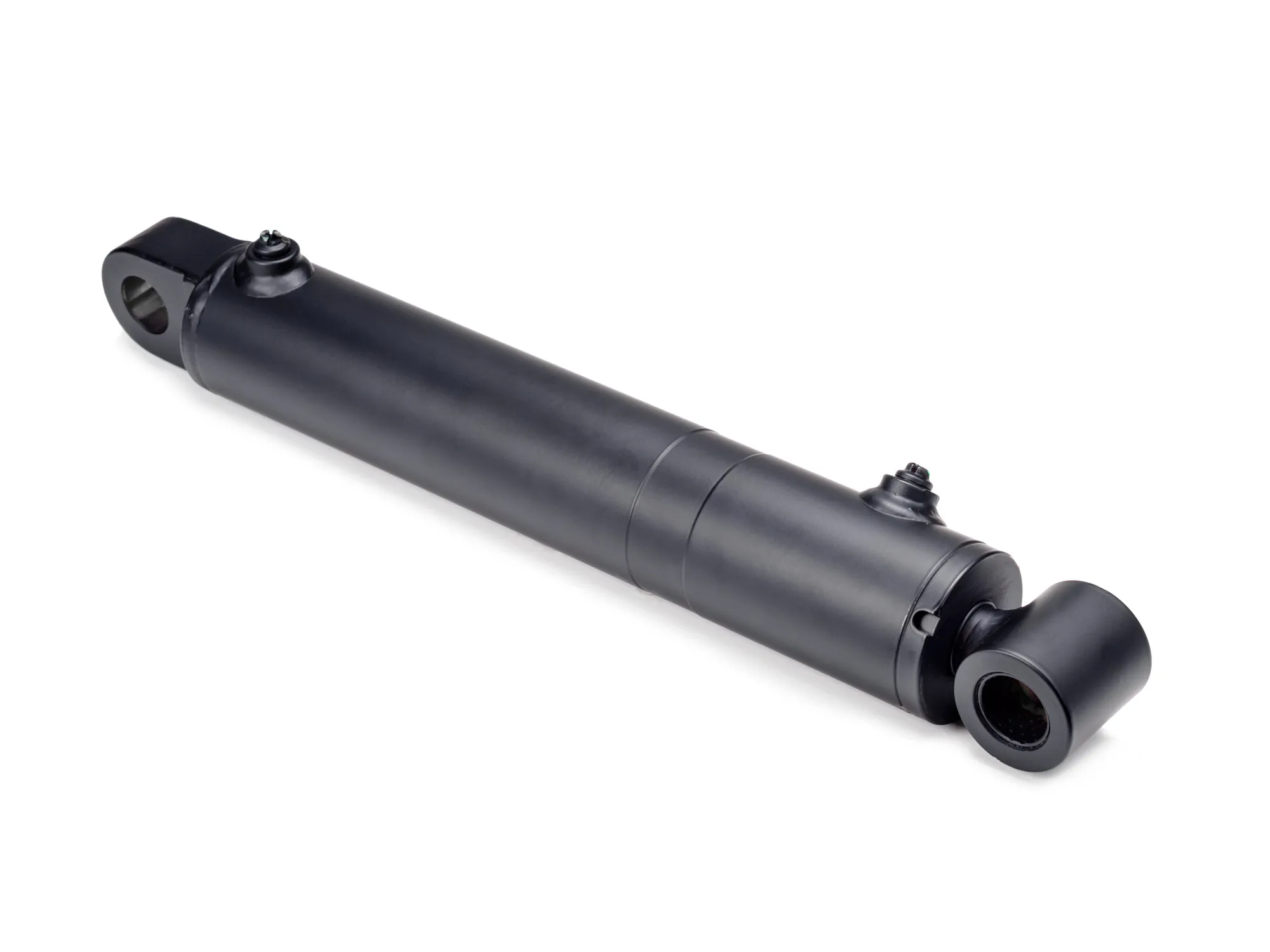
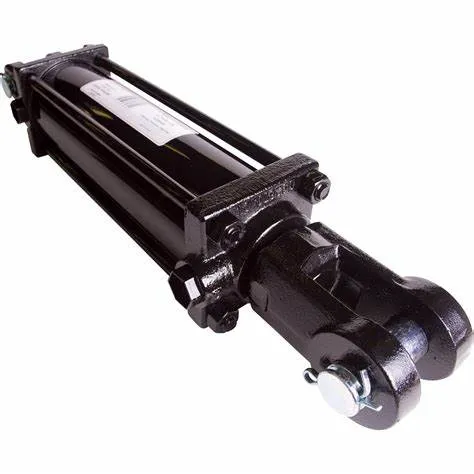
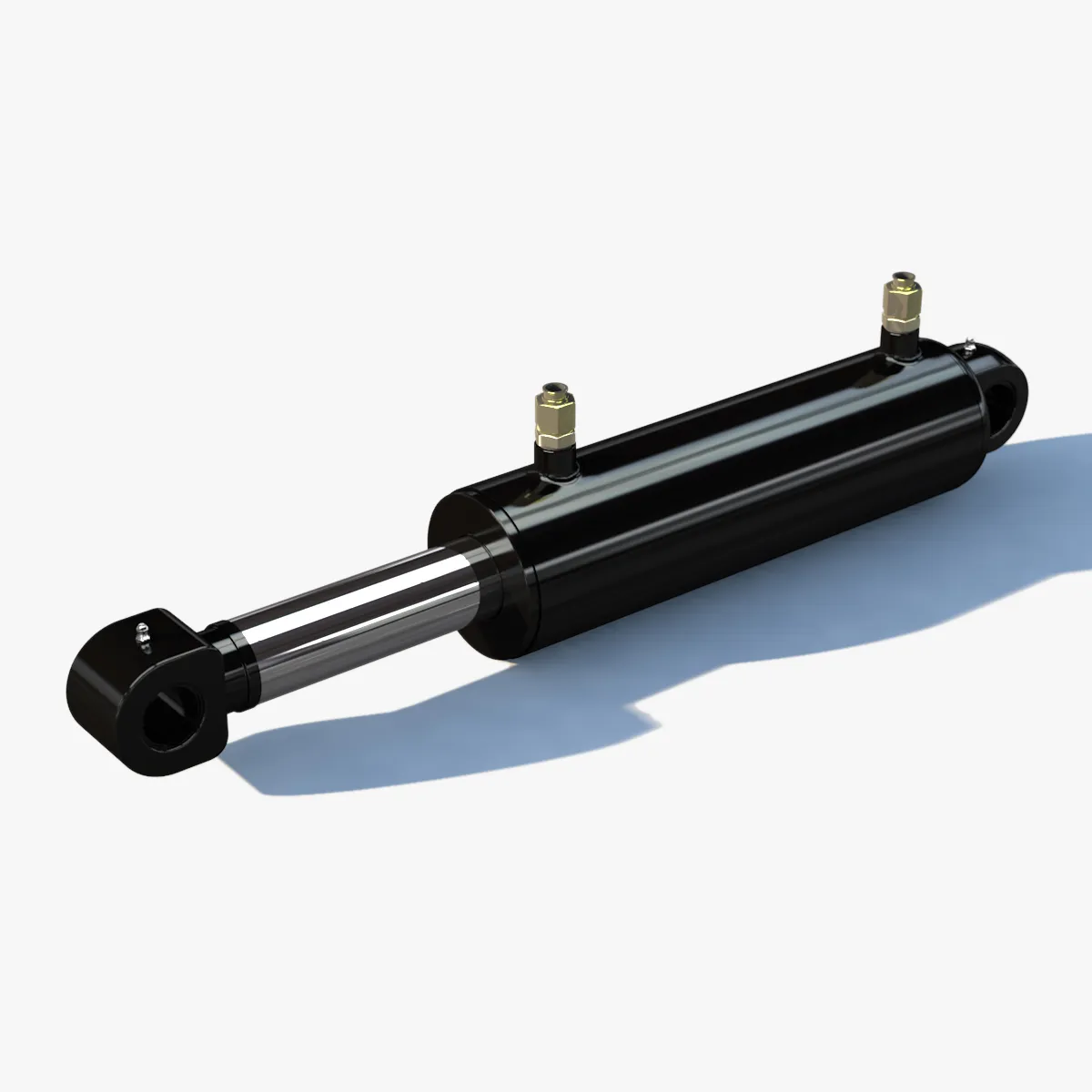
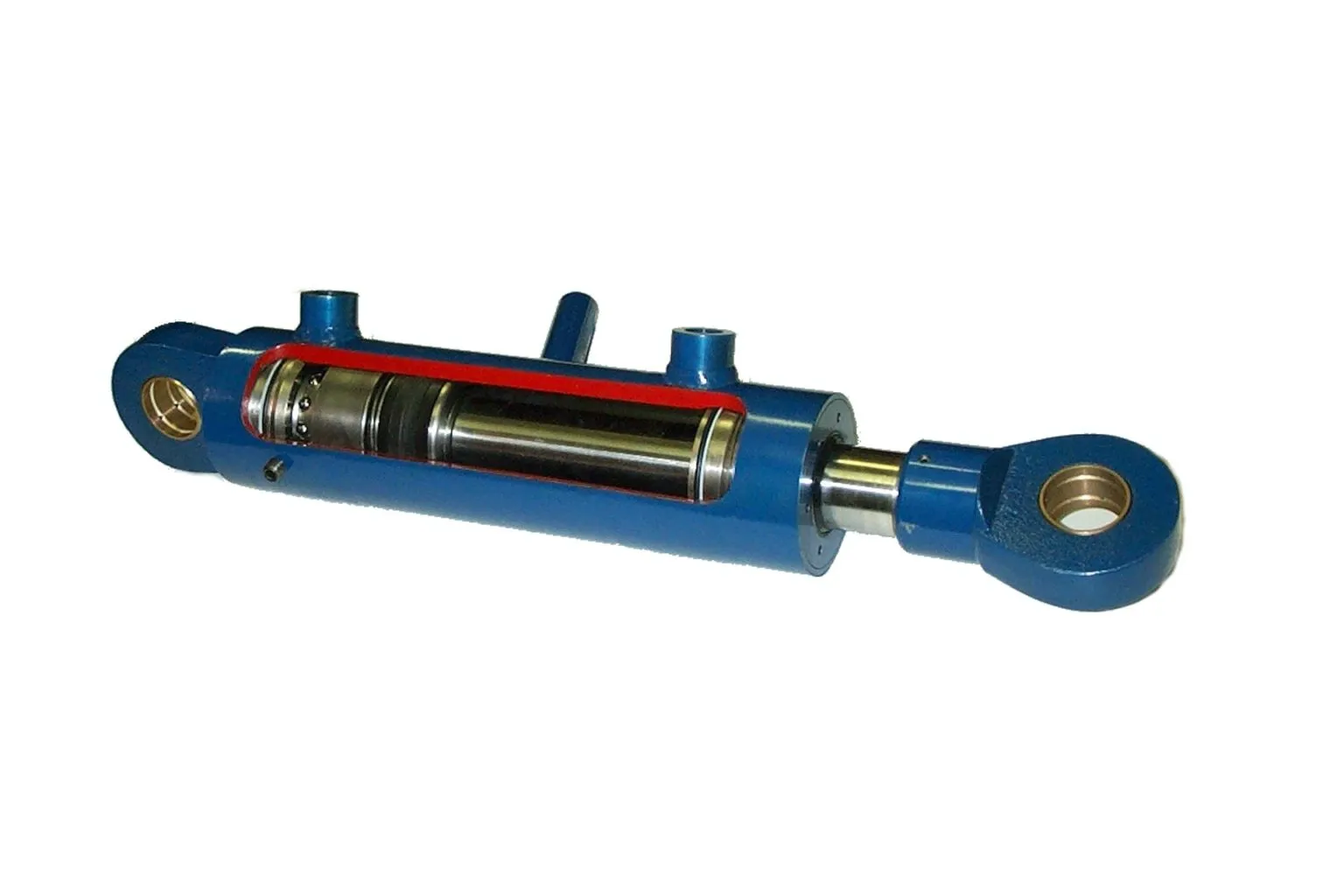
The push-type single-acting hydraulic cylinder consists of a cylinder barrel, piston, piston rod, seals, and fluid ports. The design and construction of these cylinders are crucial to ensure efficient operation and durability.
The cylinder barrel houses the piston and seals, while the piston rod extends from the piston to exert force. Seals play a vital role in preventing fluid leakage and maintaining pressure within the cylinder.
Working Principle of Single-Acting Cylinder
Single-acting cylinders operate by applying hydraulic pressure to extend the piston rod, generating force in one direction. The return stroke is achieved by releasing the pressure and allowing the external force or spring to retract the rod.
Force generation and stroke control mechanisms are critical in ensuring precise operation of single-acting cylinders. Performance characteristics include high load capacity, compact design, and leak resistance, making them ideal for harsh industrial environments.
Types of Push-Type Single-Acting Hydraulic Cylinder
There are various types and configurations of push-type single-acting hydraulic cylinders available, including telescopic cylinders, plunger cylinders, and differential cylinders. Each type is designed for specific applications and load requirements.
Telescopic cylinders offer extended stroke lengths, plunger cylinders are compact and suitable for high force applications, while differential cylinders provide precise control and positioning capabilities.
Advantages of Push-Type Single-Acting Hydraulic Cylinder
- Compact design
- High load capacity
- Robust construction
- Leak resistance
- Cost effectiveness
These advantages make push-type single-acting hydraulic cylinders a preferred choice in various industries, including construction, manufacturing, transportation, and industrial sectors.
Industries Using Push-Type Single-Acting Hydraulic Cylinders
Construction Industry
In construction, push-type single-acting hydraulic cylinders are commonly used in heavy equipment such as excavators, cranes, and bulldozers for lifting and pushing applications.
Manufacturing Industry
Manufacturing plants utilize these cylinders in hydraulic presses, injection molding machines, and material handling equipment for precise force control and automation.
Transportation Industry
In the transportation sector, single-acting cylinders are employed in dump trucks, garbage compactors, and hydraulic lifts for efficient loading and unloading operations.
Industrial and Sectoral Applications
Various industries such as mining, agriculture, and forestry use push-type single-acting hydraulic cylinders for material handling, positioning systems, and hydraulic machinery.
Considerations When Selecting Single-Acting Cylinder
When choosing a single-acting cylinder for a specific application, factors such as cylinder size, force calculations, stroke length, inner diameter, and rod diameter must be considered. These design considerations ensure optimal performance and efficiency.
Sealing Technology and Cylinder Structure
Seals play a crucial role in preventing fluid leakage and maintaining pressure in the cylinder. Different sealing materials and cylinder structural components contribute to the overall reliability and longevity of the hydraulic system.
Control of Cylinder Speed and Movement
Controlling cylinder speed and movement is essential for precise operation and safety. Adjustable buffering options help prevent shock and vibration, enhancing the performance and longevity of the hydraulic system.
Regular Inspection and Preventive Maintenance
- Inspect seals for wear and tear
- Lubricate moving parts regularly
- Replace seals when necessary
Regular inspection and preventive maintenance measures are essential to ensure the proper functioning and longevity of push-type single-acting hydraulic cylinders.
Installation Guide for Push-Type Single-Acting Hydraulic Cylinder
Proper installation of the hydraulic cylinder involves mounting, connecting fluid lines, and ensuring alignment for efficient operation. Following the manufacturer’s guidelines and recommendations is crucial for optimal performance.
Maintenance Tasks for Hydraulic Cylinder
Regular Inspection
Inspect the cylinder for leaks, damage, and proper functioning to identify any potential issues early on.
Proper Lubrication
Lubricate moving parts to reduce friction and wear, ensuring smooth operation of the hydraulic cylinder.
Seal Replacement
Replace worn seals to prevent fluid leakage and maintain pressure within the cylinder for efficient operation.
Safety Considerations and Environmental Factors
Ensuring safety measures are in place when using push-type single-acting hydraulic cylinders is crucial to prevent accidents and ensure operator safety. Environmental factors such as temperature and humidity can also impact the performance of the hydraulic system.
Fault Diagnosis and Common Problems
Common issues with push-type single-acting hydraulic cylinders include fluid leakage, seal damage, and piston misalignment. Proper diagnosis and troubleshooting techniques are essential to identify and resolve these problems effectively.
Questions and Answers
1. How does a push-type single-acting hydraulic cylinder operate?
Push-type single-acting hydraulic cylinders operate by applying hydraulic pressure to extend the piston rod in one direction, with the return stroke achieved by external force or a spring mechanism.
2. What are the advantages of using a push-type single-acting hydraulic cylinder?
The advantages include compact design, high load capacity, robust construction, leak resistance, cost-effectiveness, and suitability for harsh industrial environments.
3. In what applications are push-type single-acting hydraulic cylinders commonly used?
These cylinders are commonly used in construction, manufacturing, transportation, and various industrial sectors for lifting, pushing, and material handling applications.
Long-Tail Keywords of Push-Type Single-Acting Hydraulic Cylinder
1. “Telescopic single-acting hydraulic cylinder”
Telescopic cylinders offer extended stroke lengths and precise control for specific applications requiring long-range force exertion.
2. “Plunger single-acting hydraulic cylinder”
Plunger cylinders are compact and robust, suitable for high-force applications in confined spaces where space is limited.
3. “Differential single-acting hydraulic cylinder”
Differential cylinders provide precise control and positioning capabilities for applications requiring accurate force control and movement.
Company Focus
We are a leading hydraulic cylinder replacement manufacturer, offering a complete product line for various industrial applications. With professional services, international certifications, customized solutions, state-of-the-art production equipment, and reliable after-sales support, we have established ourselves as a trusted supplier in the domestic and foreign markets.