The Ultimate Guide to Push-Type Single-Acting Hydraulic Cylinders
Understanding Push-Type Single-Acting Hydraulic Cylinders
In the realm of hydraulic systems, the push-type single-acting hydraulic cylinder plays a vital role in converting fluid power into mechanical force. These cylinders operate under the principle of utilizing hydraulic pressure to extend the piston rod in one direction only, providing a linear force output.
Key Principles of Single-Acting Cylinders
Single-acting cylinders rely on the pressure differential between the fluid entering and exiting the cylinder to generate force. The unidirectional movement of the piston rod ensures efficient operation in applications where power in one direction is sufficient.
Differences from Double-Acting Cylinders
Unlike their double-acting counterparts, single-acting cylinders do not exert force in both directions, making them ideal for applications where one-way force is required. Additionally, single-acting cylinders are simpler in design and often more cost-effective.
Components and Structure
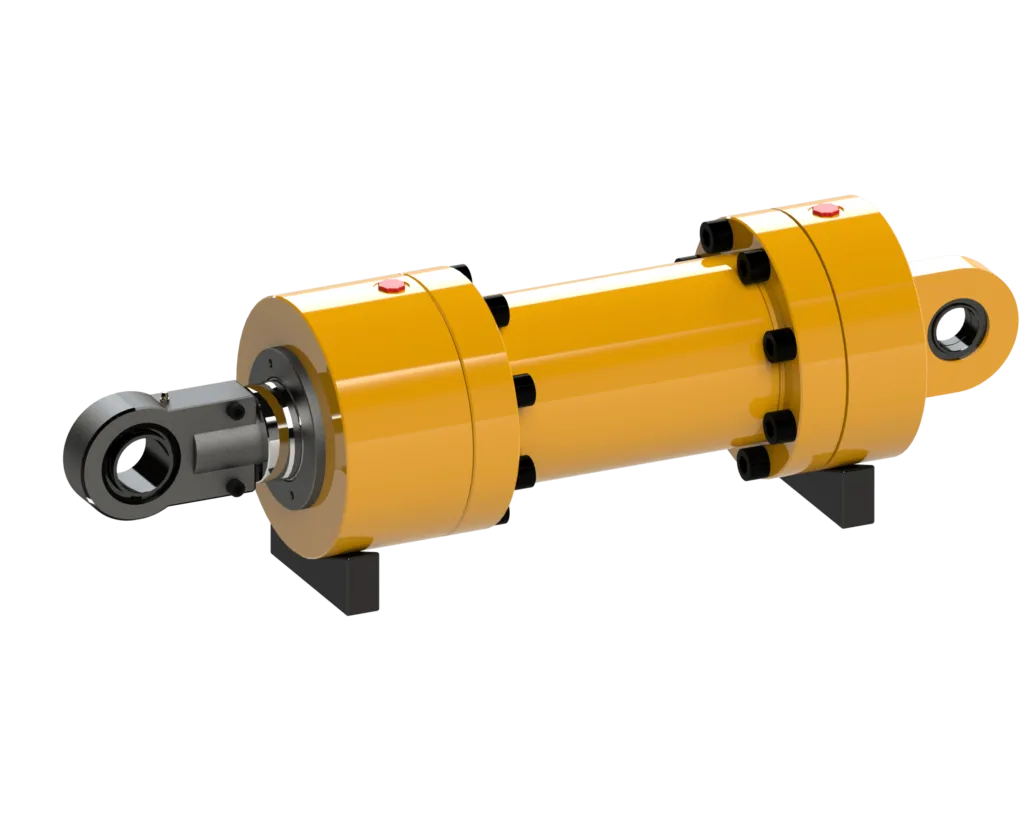
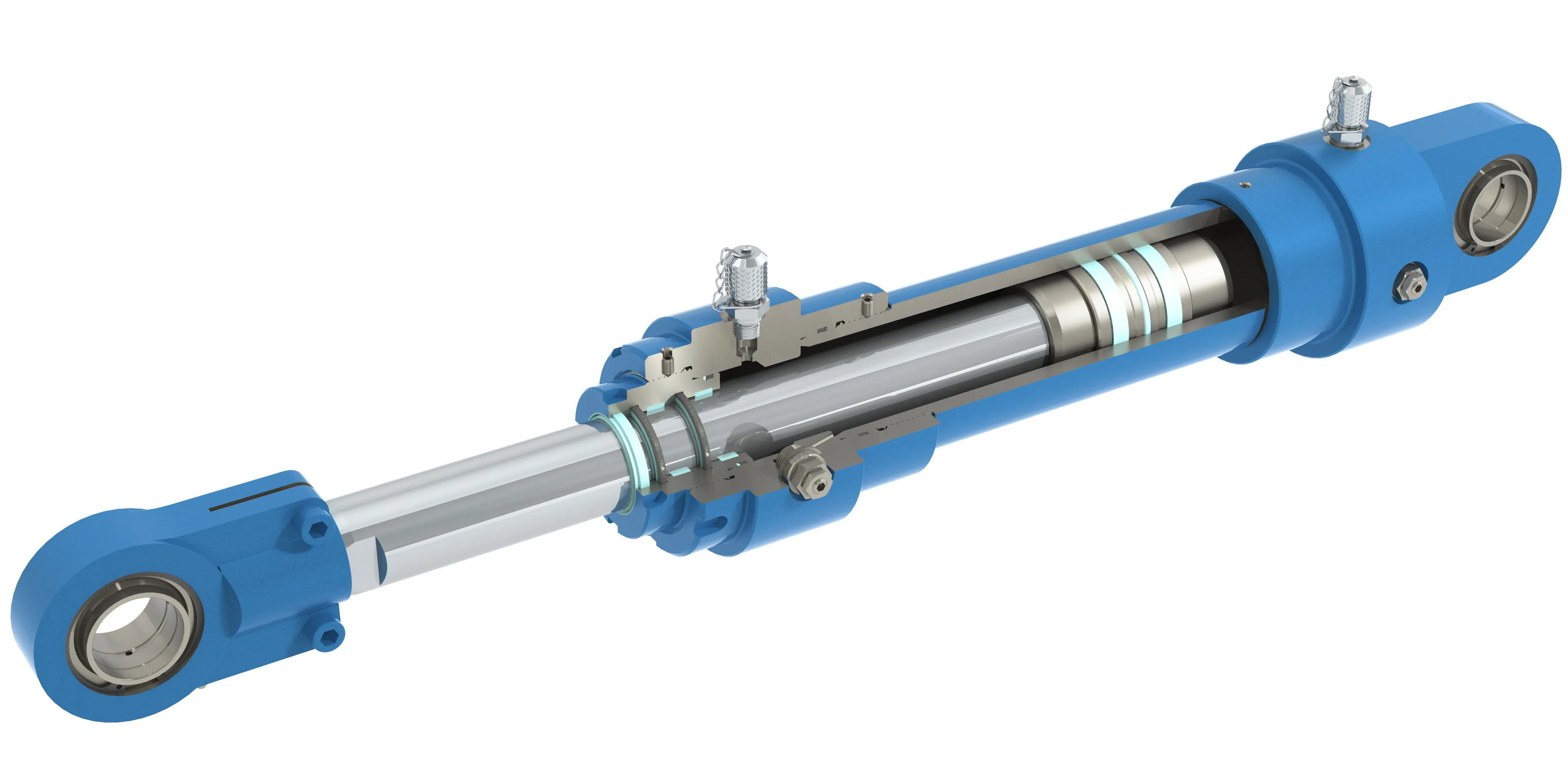
A typical push-type single-acting hydraulic cylinder consists of essential components such as a cylinder barrel, piston, piston rod, seals, and ports. The design focuses on unidirectional force transmission, ensuring reliable performance in various industrial settings.
Working Principle
Single-acting cylinders operate by pressurizing hydraulic fluid to extend the piston rod, generating linear force. The stroke control mechanism regulates the extension and retraction of the rod, enabling precise movement in hydraulic machinery.
Performance Characteristics
These cylinders offer compact design, high load capacity, robust construction, and leak resistance. Their cost-effectiveness, easy maintenance, and suitability for harsh environments make them a preferred choice in industrial applications.
Types and Configurations
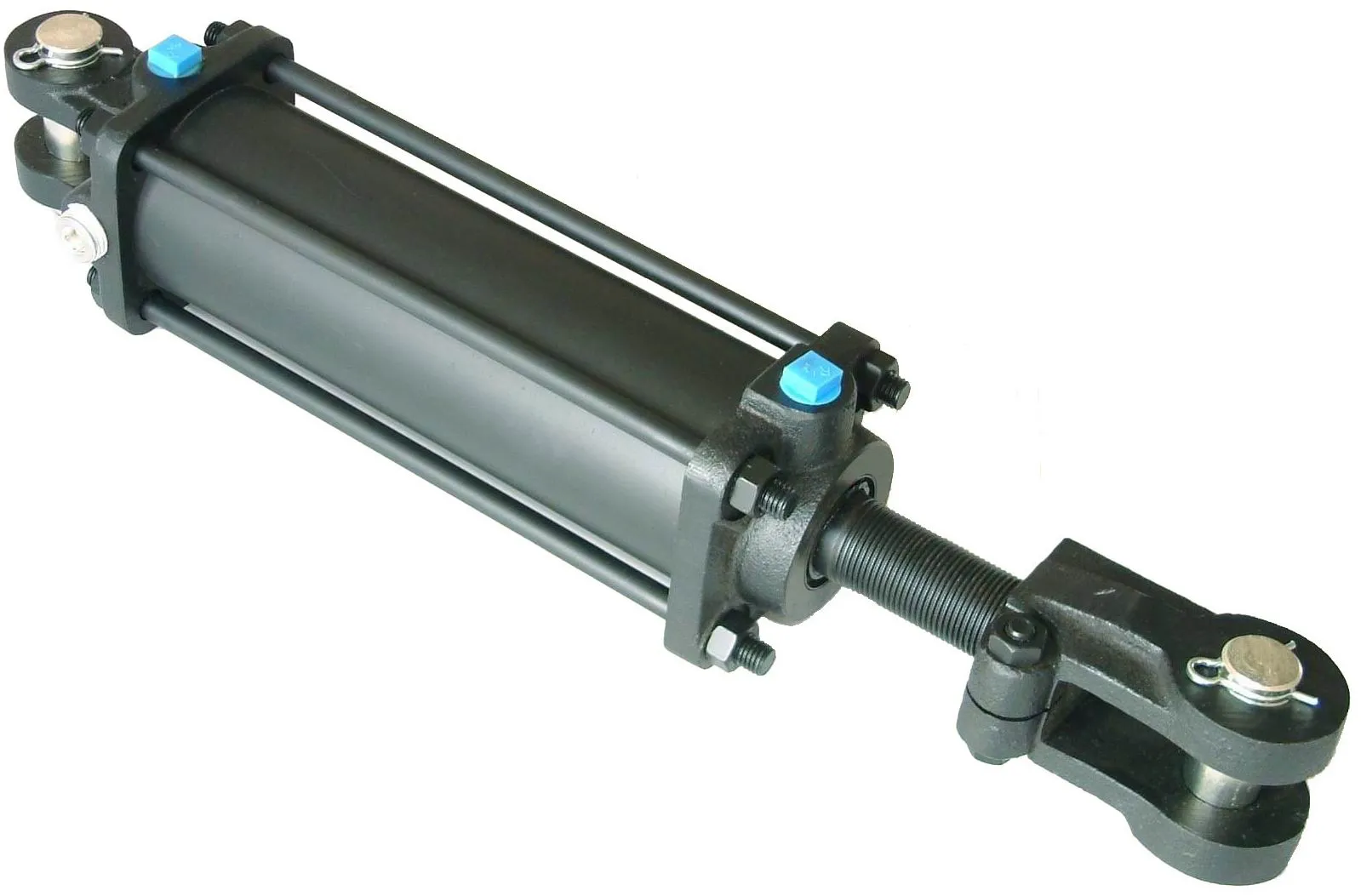
Various types of push-type single-acting hydraulic cylinders are available, including tie-rod, welded, and telescopic designs. Each type caters to specific application requirements, offering unique features and benefits for optimal performance.
Advantages of Single-Acting Cylinders
- Compact design for space-saving installations
- High load capacity for heavy-duty applications
- Robust construction for durability and longevity
- Leak resistance ensuring efficient operation
- Cost-effectiveness with low maintenance requirements
Applications in Various Industries
Push-type single-acting hydraulic cylinders find extensive use in industries such as construction, manufacturing, transportation, and sectoral applications. Their versatility and performance make them indispensable in machinery and equipment across diverse sectors.
Considerations for Selection
When choosing a single-acting cylinder, factors such as size, force calculations, stroke length, inner diameter, and rod diameter must be carefully evaluated to ensure optimal performance and efficiency in specific applications.
Sealing Technology and Structure
The sealing system in single-acting cylinders plays a crucial role in preventing fluid leakage and ensuring reliable operation. Choosing the right seal material and understanding cylinder structure materials are essential for long-term performance.
Control and Speed Mechanisms
Controlling cylinder speed and movement is critical in hydraulic systems. Implementing buffering options to mitigate shock and vibration enhances performance. Adjustable buffering provides flexibility and improves overall cylinder efficiency.
Maintenance and Inspection
- Regular inspection for wear and tear
- Proper lubrication to enhance longevity
- Seal replacement for leak prevention
Installation Guide
Proper installation of push-type single-acting hydraulic cylinders is essential for optimal performance. Following manufacturer guidelines and ensuring correct alignment and mounting are crucial steps in the installation process.
Safety Considerations
Emphasizing safety measures and environmental factors when using single-acting cylinders is paramount to prevent accidents and ensure workplace safety. Adhering to safety protocols and guidelines minimizes risks and enhances operational efficiency.
Fault Diagnosis and Solutions
Identifying common problems in single-acting cylinders and implementing effective troubleshooting strategies is essential for maintaining system integrity. Quick diagnosis and timely solutions prevent downtime and optimize performance.
Common Questions and Answers
1. How does a push-type single-acting hydraulic cylinder operate?
Single-acting cylinders use hydraulic pressure to extend the piston rod in one direction, generating linear force for mechanical applications.
2. What are the advantages of using a push-type single-acting hydraulic cylinder?
Advantages include compact design, high load capacity, robust construction, leak resistance, cost-effectiveness, and suitability for harsh industrial environments.
3. In what applications are push-type single-acting hydraulic cylinders commonly used?
These cylinders are widely used in construction, manufacturing, transportation, and various industrial sectors for linear force applications.
Long-Tail Keywords
1. “High-Performance Single-Acting Hydraulic Cylinder”
2. “Efficient Push-Type Hydraulic Cylinder Design”
3. “Innovative Single-Acting Cylinder Solutions”
Company Overview
We are a leading hydraulic cylinder replacement manufacturer, offering a comprehensive product line tailored to meet diverse industry needs. With a focus on quality, reliability, and customer satisfaction, we have established ourselves as a trusted partner in the hydraulic systems market.
Our company prides itself on professional services, international certifications, customized solutions, state-of-the-art production equipment, and dedicated after-sales support. We strive to deliver excellence in every aspect of our operations, ensuring optimal performance and customer satisfaction.
Author: lyl