Understanding Push-Type Single-Acting Hydraulic Cylinder
The push-type single-acting hydraulic cylinder is a type of hydraulic cylinder that operates using hydraulic fluid to create linear motion in one direction. This cylinder is commonly used in various industrial applications where controlled force and movement are required.
Principles of Single-Acting Cylinder
- The push-type single-acting hydraulic cylinder utilizes hydraulic pressure to extend the piston rod in one direction.
- When hydraulic fluid is supplied to the cylinder, it pushes the piston, causing the rod to extend.
- The return stroke is achieved by external forces such as gravity or springs, rather than hydraulic pressure.
This design differs from a double-acting cylinder, which uses hydraulic pressure to extend and retract the piston rod. Single-acting cylinders are simpler in construction and are often used in applications where the return stroke can be achieved by external means.
Components and Structure
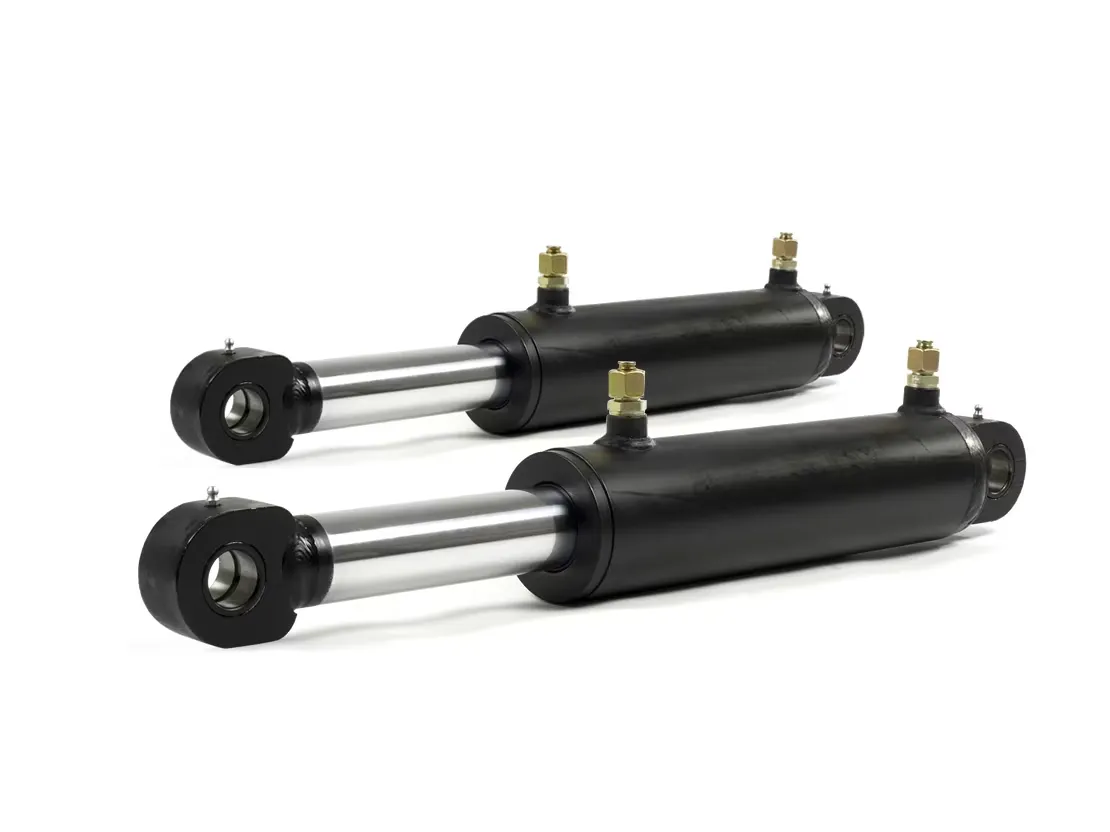
The push-type single-acting hydraulic cylinder consists of a cylinder barrel, piston, piston rod, seals, and hydraulic connections. The design ensures efficient movement of the piston rod when hydraulic pressure is applied.
The construction of the cylinder is robust, with high-quality materials used to withstand the forces generated during operation.
Working Principle
Single-acting cylinders work by converting hydraulic pressure into linear mechanical force. The force generated by the cylinder is used to move loads in a specific direction.
Stroke control mechanisms regulate the extension and retraction of the piston rod, allowing for precise control over the movement of the cylinder.
Types and Configurations
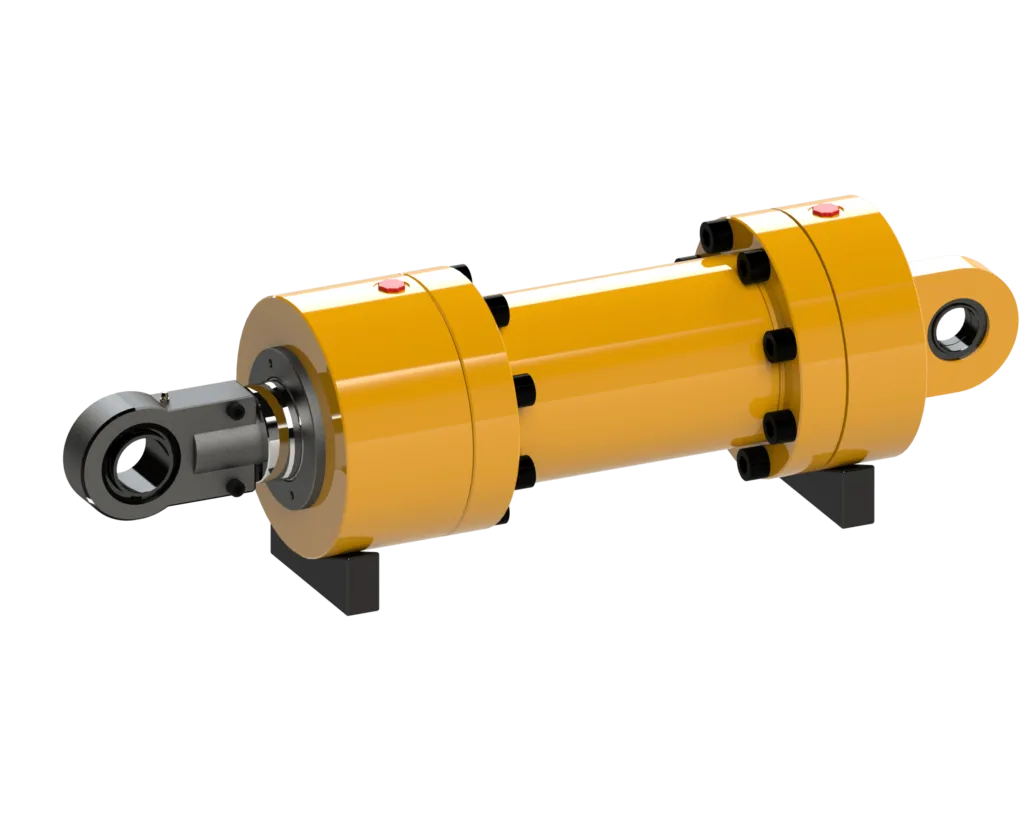
There are various types of push-type single-acting hydraulic cylinders available, each designed for specific applications. Common configurations include tie-rod cylinders, welded cylinders, and telescopic cylinders, each offering unique features for different industrial needs.
Advantages of Single-Acting Cylinder
- Compact design
- High load capacity
- Robust construction
- Leak resistance
- Cost-effective
Single-acting cylinders are suitable for harsh industrial environments due to their durable design and efficient performance.
Application Scenarios
Push-type single-acting hydraulic cylinders are widely used in industries such as construction, manufacturing, transportation, and more. These cylinders are integrated into machinery and equipment to facilitate controlled movement and force application.
Considerations for Selection
When selecting a single-acting cylinder for a specific application, factors such as cylinder size, force calculations, stroke length, and design considerations must be taken into account. Proper selection ensures optimal performance and efficiency.
Sealing Technology and Structure
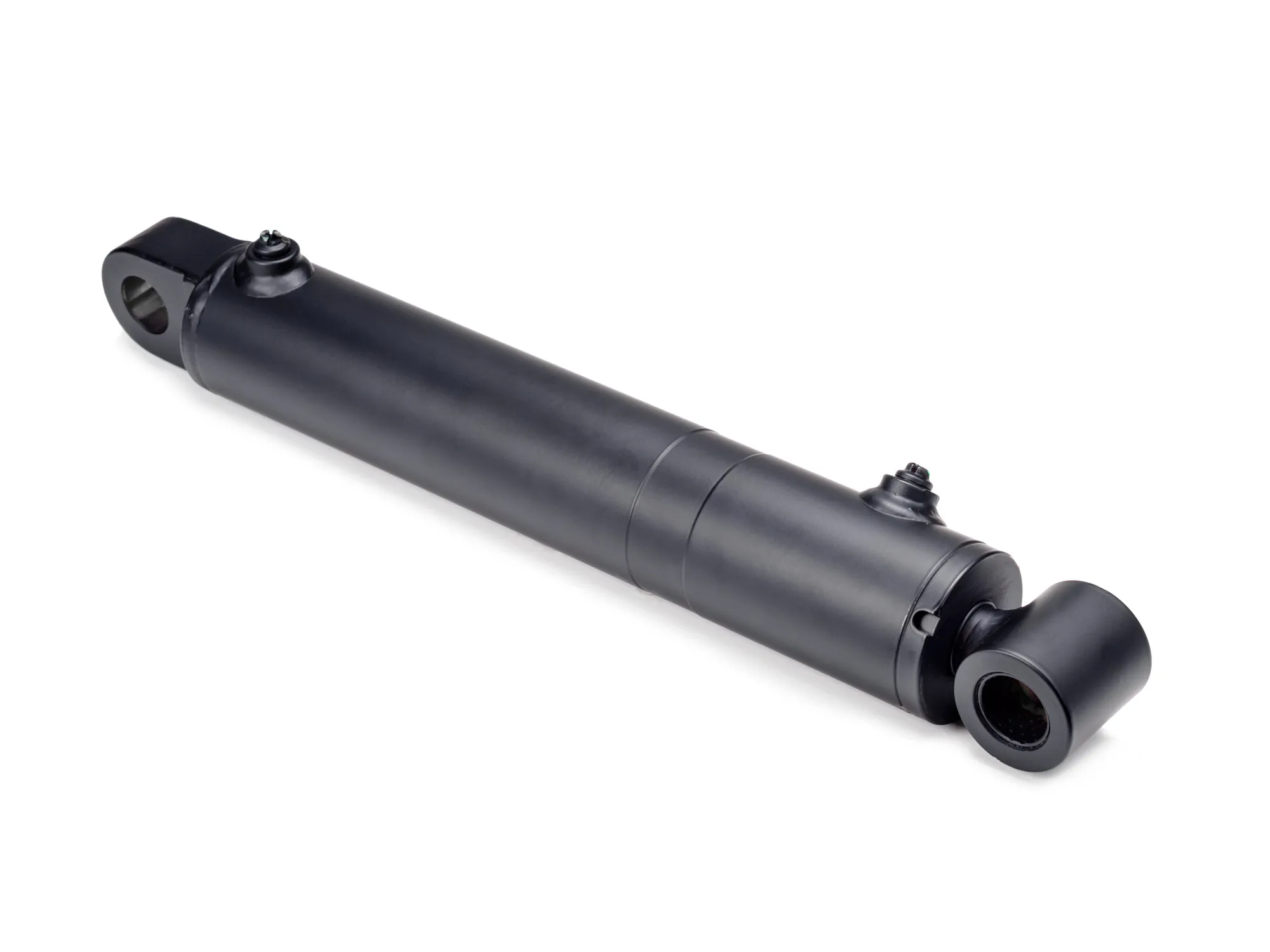
The sealing technology of the single-acting cylinder is crucial to prevent leakage and ensure efficient operation. Different sealing materials are used to maintain compatibility with hydraulic fluids and enhance the longevity of the cylinder.
Control and Buffering
Controlling cylinder speed and movement is essential for precise operation. Adjustable buffering options help prevent shock and vibration, improving the overall performance of the cylinder.
Maintenance and Inspection
- Regular inspection
- Proper lubrication
- Seal replacement
Implementing preventive maintenance measures ensures the longevity and reliability of the push-type single-acting hydraulic cylinder.
Installation Guide
Proper installation of the single-acting cylinder is crucial for optimal performance. Following installation guidelines ensures safe and efficient operation of the cylinder.
Safety Considerations
Safety measures must be prioritized when using a single-acting cylinder to prevent accidents and ensure operator safety. Environmental factors should also be considered to minimize risks during operation.
Fault Diagnosis and Solutions
Identifying common problems and implementing troubleshooting tips helps diagnose and resolve issues quickly. Preventive measures can minimize potential problems and enhance the reliability of the cylinder.
Common Questions
1. How does a push-type single-acting hydraulic cylinder operate?
2. What are the advantages of using a push-type single-acting hydraulic cylinder?
3. In what applications are push-type single-acting hydraulic cylinders commonly used?
Long-Tail Keywords
1. High-Speed Single-Acting Hydraulic Cylinder for Industrial Applications
2. Precision Single-Acting Hydraulic Cylinder for Automation Systems
3. Heavy-Duty Single-Acting Hydraulic Cylinder for Mining Equipment
Company Introduction
Our company specializes in hydraulic cylinder replacement manufacturing and distribution. With a comprehensive product line and international certifications, we provide customized solutions for various industrial needs. Our advanced production equipment and dedicated after-sales service ensure customer satisfaction and quality assurance.
Author: lyl
