Understanding Push-Type Single-Acting Hydraulic Cylinder for Hydraulic Presses
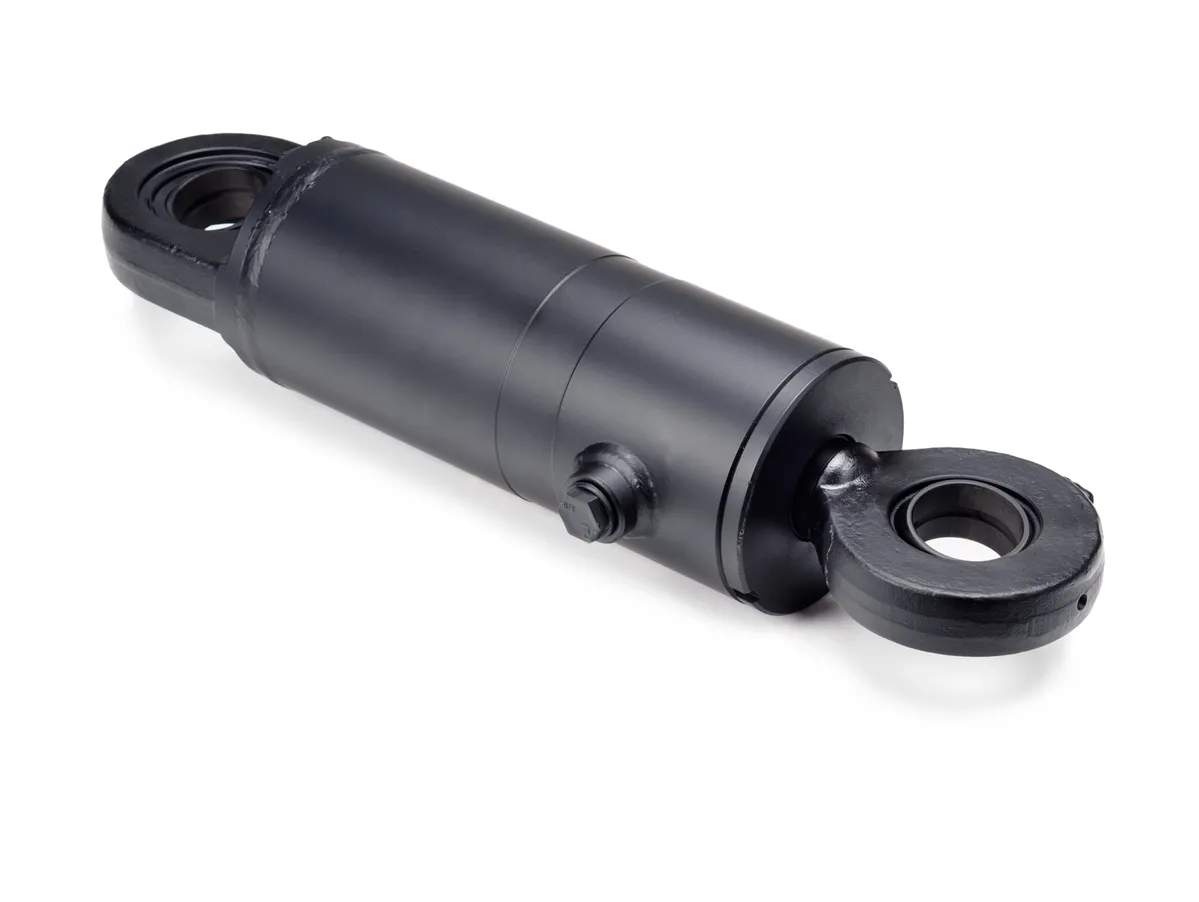
In the realm of hydraulic systems, the term “push-type single-acting hydraulic cylinder” holds significance as a key component that drives the functionality of hydraulic presses. The push-type single-acting hydraulic cylinder is designed to exert force in one direction, providing precision and power in hydraulic press applications.
Principles of Push-Type Single-Acting Hydraulic Cylinder
A push-type single-acting hydraulic cylinder operates on the principle of utilizing hydraulic fluid pressure to extend the piston rod in a single direction. This design ensures efficient force generation while maintaining simplicity in operation. The cylinder consists of a piston, cylinder barrel, and hydraulic fluid, working together to deliver controlled movement and power.
- Single-acting cylinders operate with hydraulic pressure in one direction only
- Difference from double-acting cylinders lies in the direction of force generation
- Offers advantages in terms of compact design, load capacity, and cost-effectiveness
Components and Structure of Push-Type Single-Acting Hydraulic Cylinder
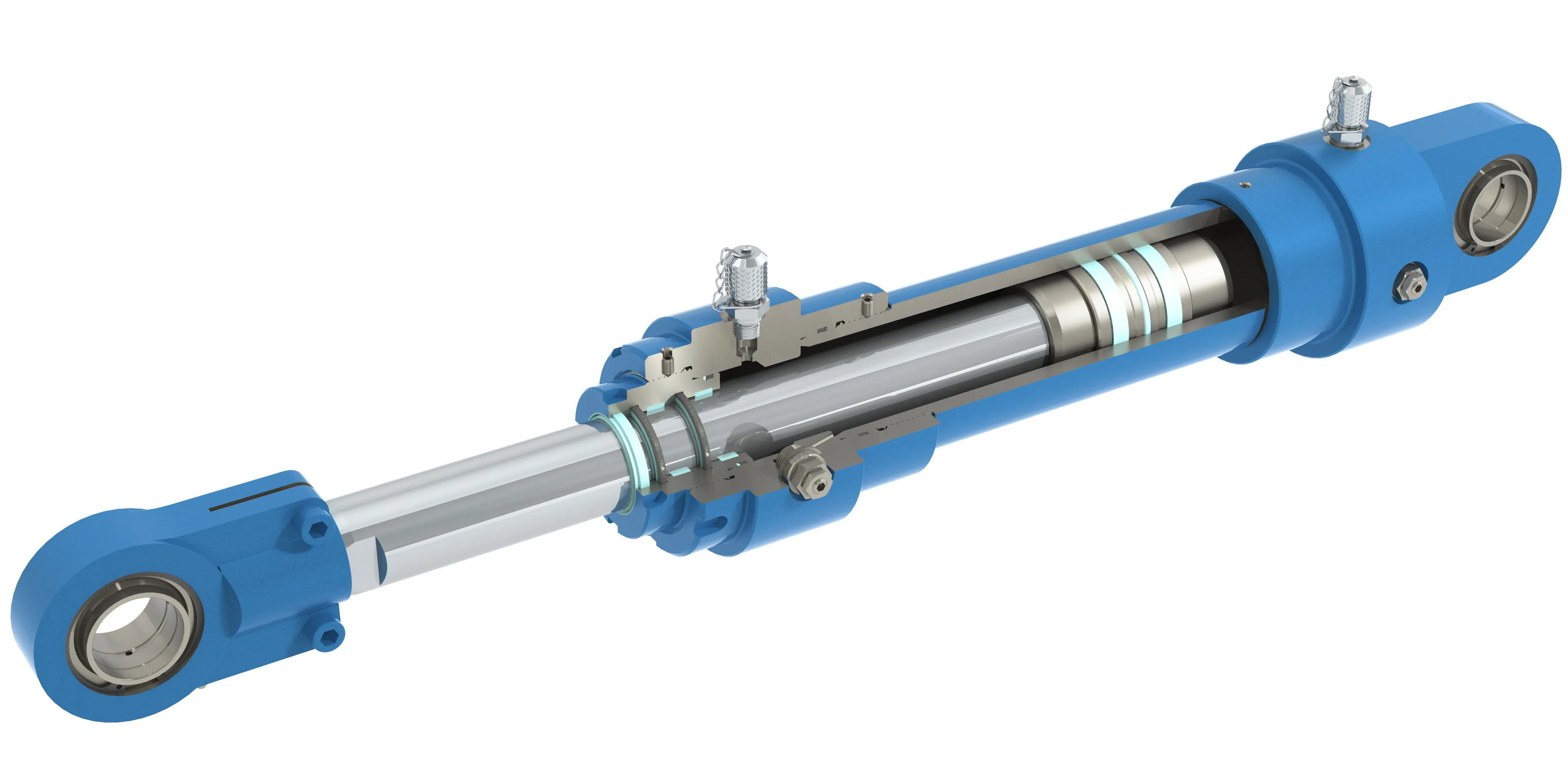
The push-type single-acting hydraulic cylinder comprises essential components such as the cylinder barrel, piston, rod, seals, and hydraulic fluid. The design and construction of these components ensure optimal performance and durability in hydraulic press operations.
- Cylinder barrel houses the piston and hydraulic fluid
- Piston moves within the cylinder to generate force
- Seals prevent leakage and maintain hydraulic pressure
Working Principle and Functionality
When hydraulic fluid is pressurized, it acts on the piston to extend the rod, providing force for pressing applications. The stroke control mechanism regulates the movement of the piston, ensuring precise operation. Performance characteristics include high load capacity, robust construction, and suitability for industrial environments.
- Force generation through hydraulic pressure
- Stroke control mechanism for precision movement
- Performance characteristics and limitations in industrial settings
Types and Configurations
Various types of push-type single-acting hydraulic cylinders are available, each catering to specific application requirements. Configurations include compact designs, high load capacities, and specialized features for diverse industrial needs.
- Compact design for space-constrained applications
- High load capacity for heavy-duty operations
- Specialized configurations for specific industrial requirements
Advantages of Push-Type Single-Acting Hydraulic Cylinder
The advantages of push-type single-acting hydraulic cylinders encompass compact design, high load capacity, robust construction, leak resistance, cost-effectiveness, and suitability for harsh industrial environments. These features ensure optimal performance and reliability in hydraulic press applications.
- Compact design for space optimization
- High load capacity for heavy pressing tasks
- Robust construction for durability and longevity
- Leak resistance for consistent performance
- Cost-effectiveness for efficient operations
Application Scenarios
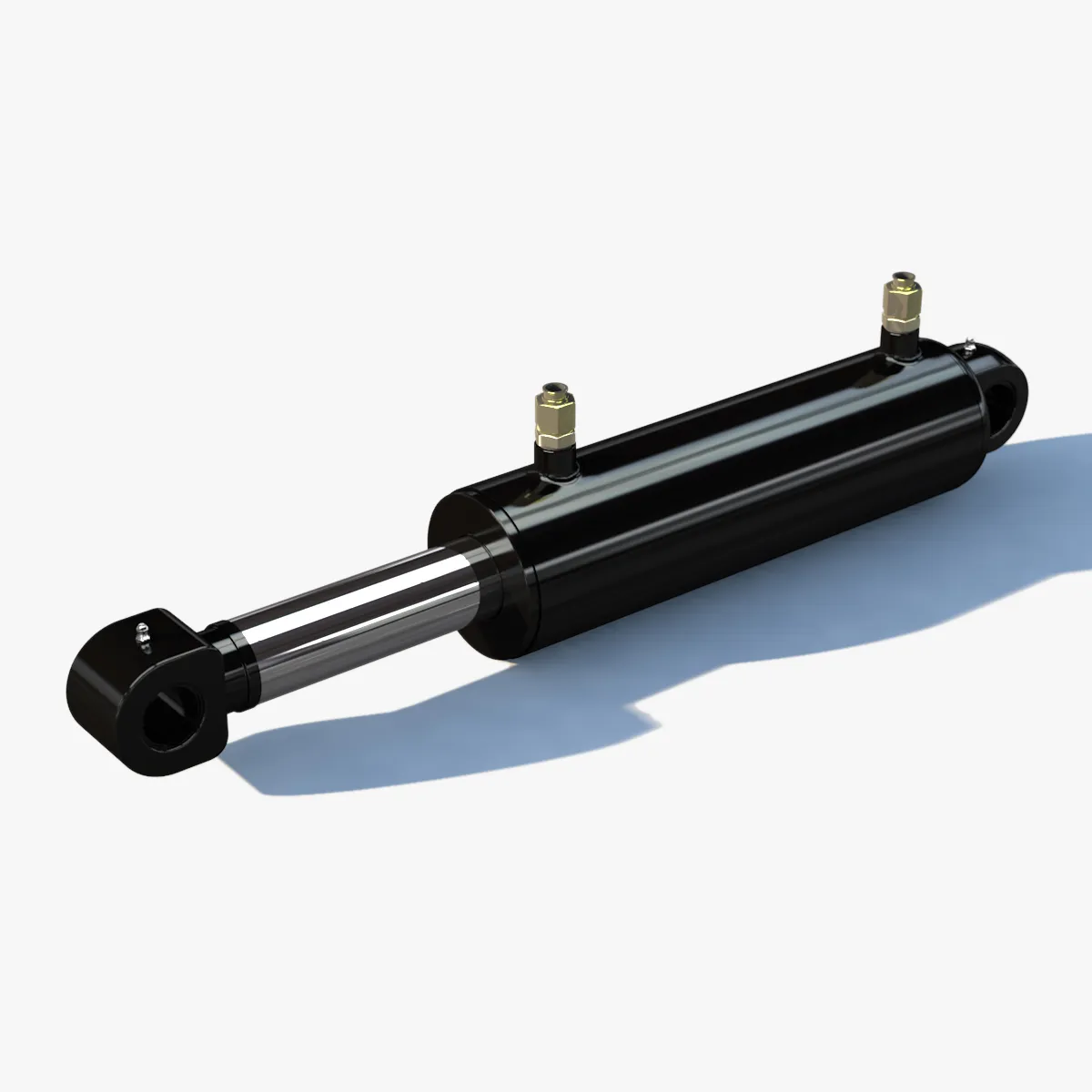
Push-type single-acting hydraulic cylinders find extensive use in industries such as construction, manufacturing, transportation, and various sectoral applications. These cylinders play a vital role in machinery and equipment, providing precise force for pressing and forming tasks.
- Construction industry for concrete molding
- Manufacturing sector for metal forming
- Transportation applications for vehicle maintenance
- Industrial machinery for production processes
Considerations for Selection and Design
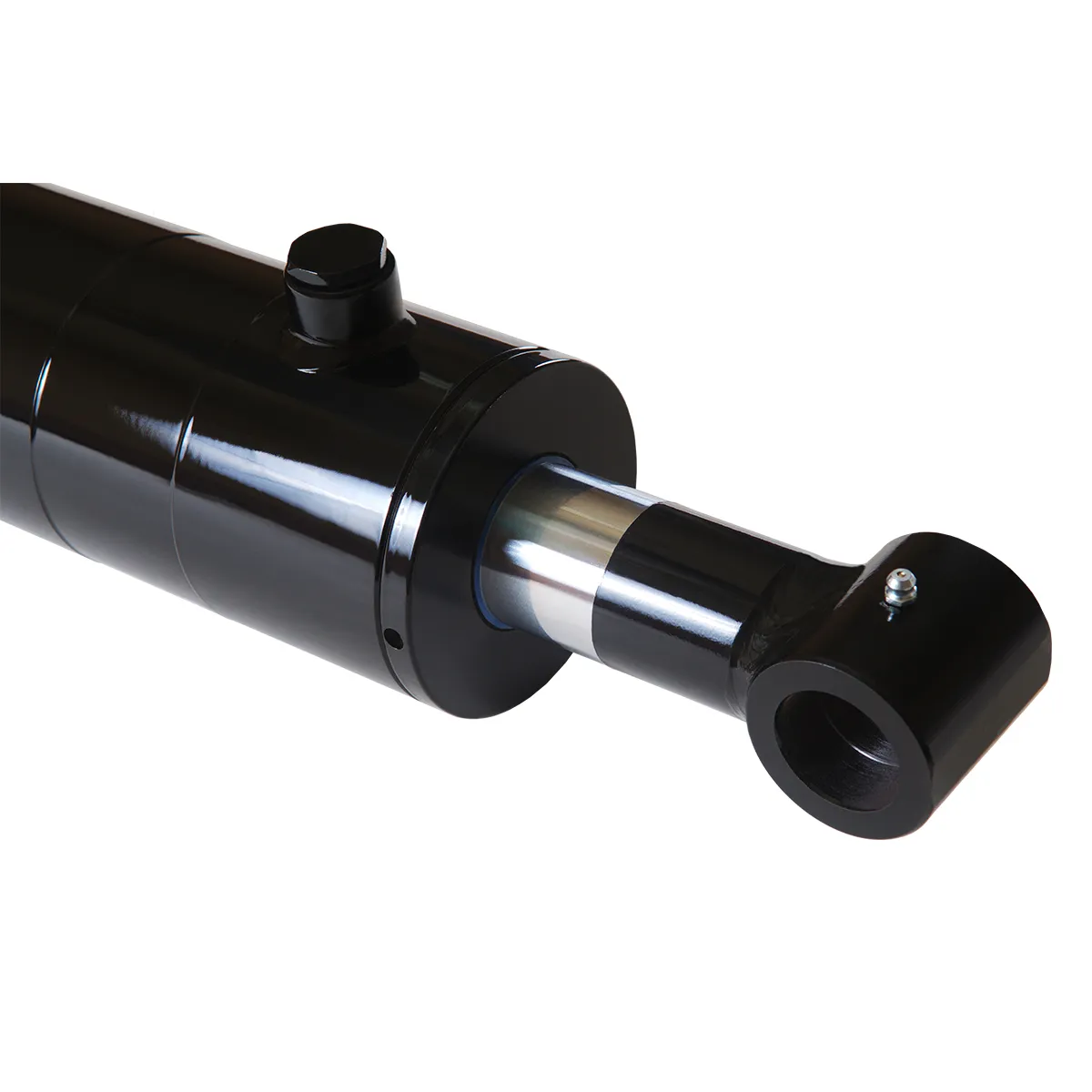
When selecting a single-acting cylinder for a specific application, factors such as cylinder size, force calculations, stroke length, inner diameter, and rod diameter must be considered. These design considerations ensure optimal performance and efficiency in hydraulic press operations.
- Cylinder size based on load requirements
- Force calculations for precise pressing tasks
- Stroke length and diameter considerations for movement control
Sealing Technology and Cylinder Structure
The sealing technology and cylinder structure of push-type single-acting hydraulic cylinders are crucial for preventing leakage and ensuring operational efficiency. Different sealing materials and structural components play a vital role in maintaining hydraulic pressure and preventing fluid loss.
- Importance of seals in preventing leakage
- Compatibility of sealing materials with hydraulic fluids
- Cylinder structural materials for durability and performance
Speed Control and Buffering Options
Controlling the speed and movement of the hydraulic cylinder is essential for precise pressing operations. Buffering options help prevent shock and vibration, enhancing the performance and longevity of the cylinder. Adjustable buffering provides flexibility in operation and improves overall efficiency.
- Control of cylinder speed for precision tasks
- Buffering options to minimize shock and vibration
- Benefits of adjustable buffering for enhanced performance
Maintenance and Safety Measures
Regular inspection and preventive maintenance are essential to ensure the optimal performance of push-type single-acting hydraulic cylinders. Safety considerations and environmental factors must be taken into account to prevent accidents and maintain a safe working environment.
- Regular inspection for early detection of issues
- Proper lubrication for smooth operation
- Seal replacement for leakage prevention
Installation Guide and Maintenance Tasks
Proper installation of push-type single-acting hydraulic cylinders is crucial for efficient operation. Maintenance tasks such as regular inspection, lubrication, seal replacement, and calibration ensure long-term performance and reliability in hydraulic press applications.
- Installation guide for accurate positioning
- Maintenance tasks for optimal performance
- Safety considerations for accident prevention
Fault Diagnosis and Troubleshooting
Diagnosing common problems and faults in push-type single-acting hydraulic cylinders is essential for efficient operation. Troubleshooting tips and solutions help address issues promptly, minimizing downtime and ensuring continuous productivity in hydraulic press applications.
- Fault diagnosis for problem identification
- Troubleshooting solutions for issue resolution
- Preventive measures for minimizing potential problems
Key Questions and Answers
Exploring key questions related to push-type single-acting hydraulic cylinders provides valuable insights into their operation, advantages, applications, components, force generation, and differences from double-acting cylinders.
- How does a push-type single-acting hydraulic cylinder operate?
- What are the advantages of using a push-type single-acting hydraulic cylinder?
- In what applications are push-type single-acting hydraulic cylinders commonly used?
Long-Tail Keywords
Long-tail keywords for push-type single-acting hydraulic cylinders include precise force generation, efficient pressing operations, and reliable hydraulic performance. These keywords highlight the key features and benefits of push-type single-acting cylinders in hydraulic press applications.
- Precise force generation for accurate pressing tasks
- Efficient hydraulic performance for optimal operation
- Reliable functionality for consistent pressing operations
Company Focus
Our company specializes in hydraulic cylinder replacement manufacturing, offering a comprehensive product line and serving as a leading distributor in the domestic and international markets. With a focus on professionalism, international certifications, customized services, advanced production equipment, and dedicated after-sales support, we ensure quality and reliability in hydraulic solutions.