Understanding Push-Type Single-Acting Hydraulic Cylinder
Push-type single-acting hydraulic cylinders are essential components in various industrial applications, providing controlled linear movement with the help of hydraulic fluid pressure. These cylinders operate on the principle of utilizing pressurized fluid to generate force in one direction, allowing for efficient and precise movement in machinery and equipment.
Key Principles of Single-Acting Cylinder
- Utilizes hydraulic fluid pressure
- Generates force in one direction
- Provides controlled linear movement
In contrast to double-acting cylinders that generate force in both directions, single-acting cylinders are designed to exert force in one direction only. This makes them suitable for applications where unidirectional movement is required, such as lifting, pushing, or pulling heavy loads.
Components and Structure
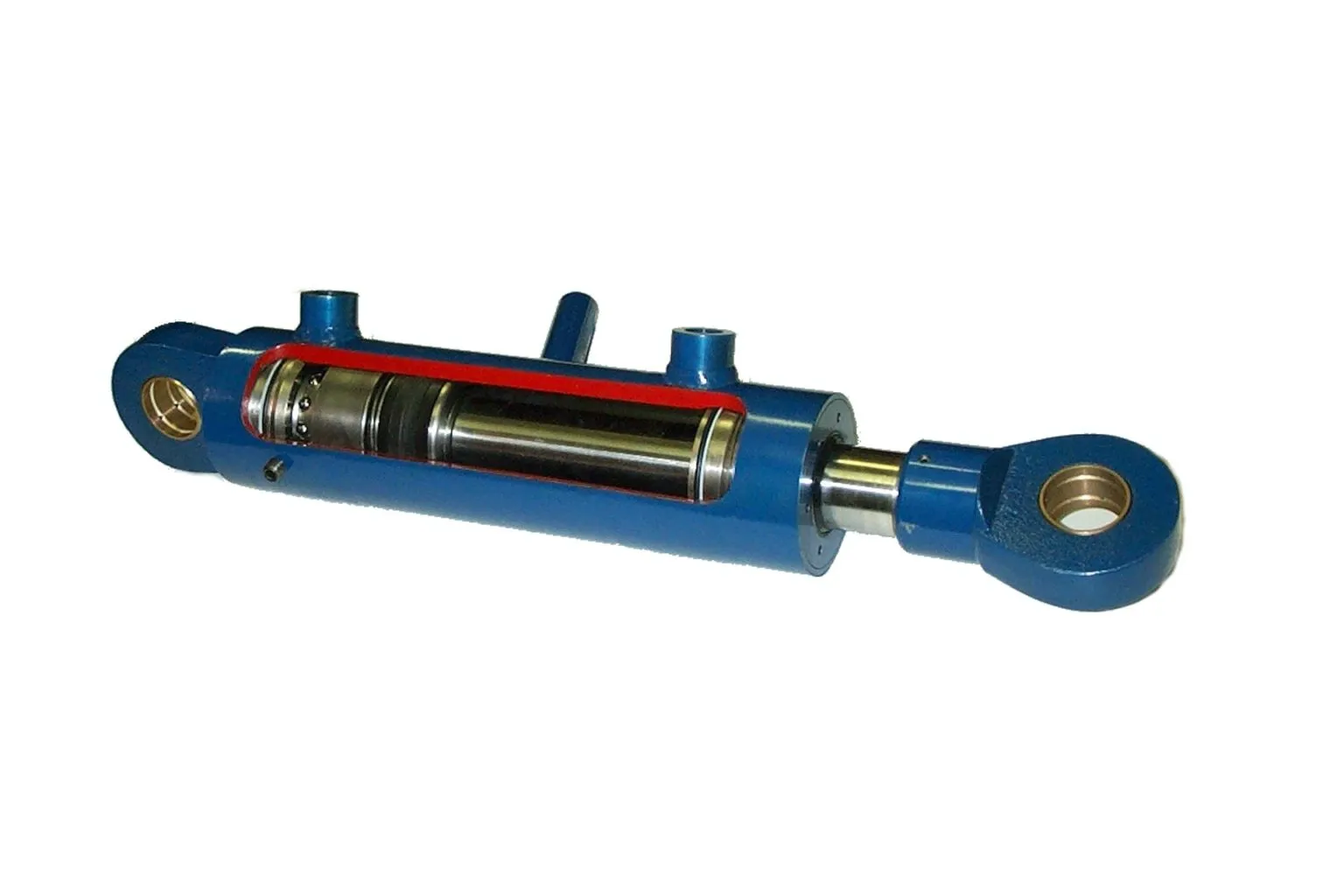
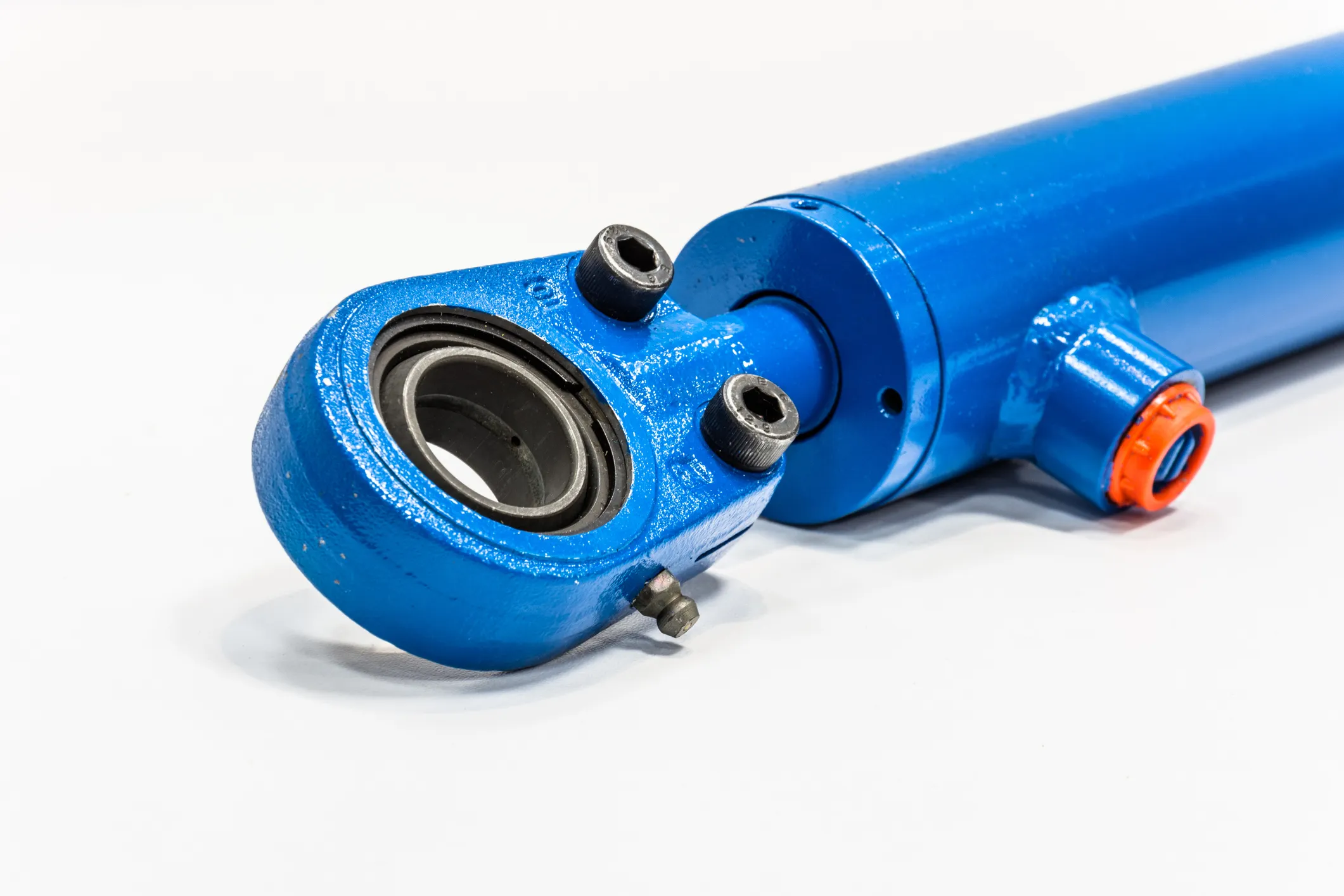
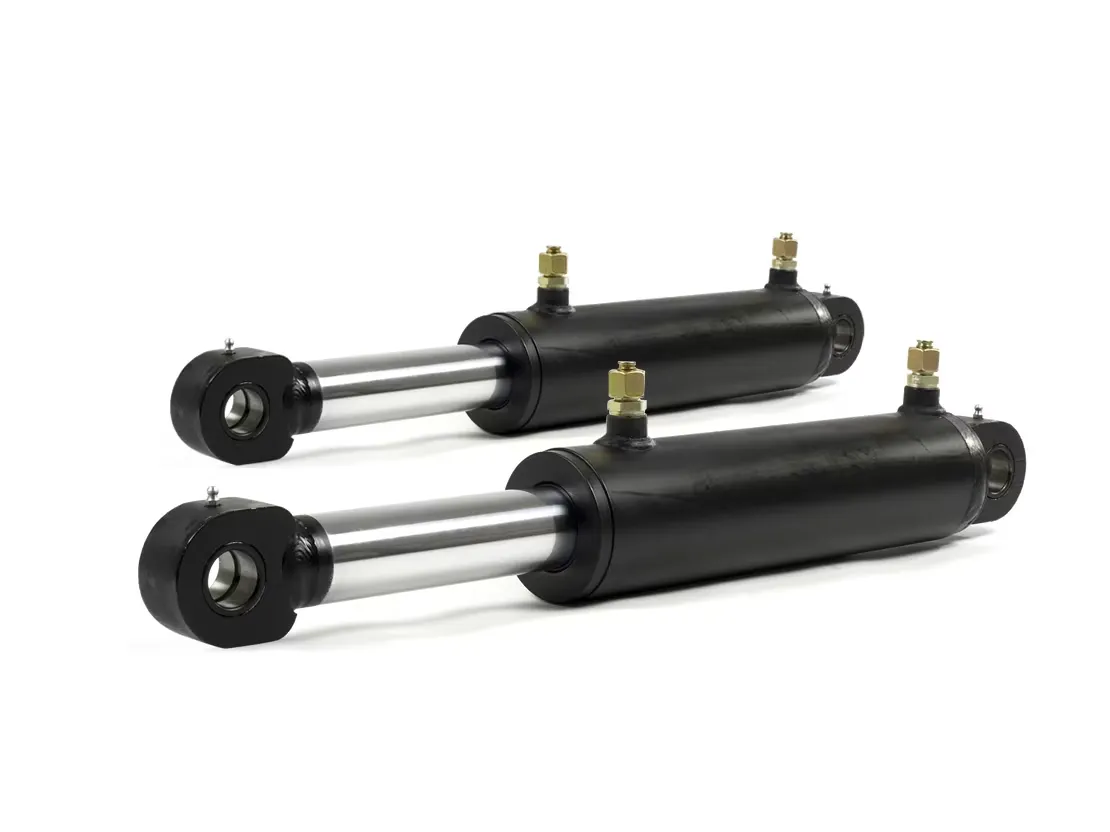
The push-type single-acting hydraulic cylinder consists of essential components such as a cylinder barrel, piston, rod, and hydraulic seals. The design and construction of these cylinders are carefully engineered to ensure reliable performance under high operating pressures and harsh industrial environments.
Working Principle
When hydraulic fluid is introduced into the cylinder, it exerts pressure on the piston, causing it to move in the desired direction. The force generated by the cylinder is directly proportional to the pressure applied, allowing for precise control over the movement and positioning of loads. Stroke control mechanisms further enhance the operational efficiency of single-acting cylinders.
Types and Configurations
Various types of push-type single-acting hydraulic cylinders are available, including telescopic, plunger, and ram cylinders, each designed for specific applications. The configuration of these cylinders varies based on load requirements, space constraints, and operational preferences.
Advantages of Single-Acting Cylinder
- Compact design
- High load capacity
- Robust construction
- Leak resistance
- Cost-effectiveness

These advantages make push-type single-acting hydraulic cylinders ideal for industrial applications where space, efficiency, and reliability are crucial factors in equipment design and operation.
Application Scenarios
Push-type single-acting hydraulic cylinders find extensive use in industries such as construction, manufacturing, transportation, and various sectors where precise linear movement and force generation are essential. From hydraulic presses to lifting equipment, these cylinders play a vital role in enhancing productivity and performance.
Considerations for Selection
When selecting a single-acting cylinder for a specific application, factors such as cylinder size, force calculations, stroke length, inner diameter, and rod diameter must be carefully considered to ensure optimal performance and efficiency.
Sealing Technology and Structure
The seal plays a critical role in preventing leakage and ensuring the proper functioning of the single-acting cylinder. Different sealing materials and cylinder structural components are selected based on compatibility with hydraulic fluids and resistance to wear and tear.
Speed Control and Buffering
Controlling cylinder speed and movement is essential for safe and efficient operation. Adjustable buffering options help prevent shock and vibration, improving overall performance and extending the lifespan of the cylinder.
Maintenance and Safety
Regular inspection and preventive maintenance measures are essential to ensure the longevity and reliability of push-type single-acting hydraulic cylinders. Proper lubrication, seal replacement, and calibration inspections help minimize downtime and prevent potential issues.
Installation Guide
Follow the correct installation procedures to ensure the proper functioning of the single-acting cylinder. Pay attention to mounting orientation, alignment, and hydraulic connections for optimal performance.
Safety Considerations
Always prioritize safety measures when using push-type single-acting hydraulic cylinders to prevent accidents and ensure the well-being of operators and equipment. Adhere to industry standards and guidelines for safe operation.
Fault Diagnosis and Troubleshooting
Common problems with single-acting cylinders may include leaks, seal damage, or insufficient force generation. By following troubleshooting tips and solutions, operators can effectively diagnose and resolve issues to minimize downtime and maintain operational efficiency.
FAQs
1. How does a push-type single-acting hydraulic cylinder operate?
The cylinder utilizes hydraulic fluid pressure to generate force in one direction, enabling controlled linear movement.
2. What are the advantages of using a push-type single-acting hydraulic cylinder?
Advantages include compact design, high load capacity, robust construction, leak resistance, cost-effectiveness, and suitability for harsh industrial environments.
3. In what applications are push-type single-acting hydraulic cylinders commonly used?
They are widely used in construction, manufacturing, transportation, and various industrial sectors for precise force generation and linear movement.
Long-Tail Keywords
1. “Telescopic Push-Type Single-Acting Hydraulic Cylinder”: A specialized cylinder for extended reach applications requiring precise linear movement.
2. “Plunger Push-Type Single-Acting Hydraulic Cylinder”: Ideal for high-force applications where compact design and reliability are essential.
3. “Ram Push-Type Single-Acting Hydraulic Cylinder”: Designed for heavy-duty operations with a focus on durability and performance.
Company Overview
We are a leading hydraulic cylinder replacement manufacturer with a comprehensive product line catering to domestic and international markets. Our commitment to quality, customization, and after-sales service has established us as a trusted partner in the industry.