Introduction to Pulleys & Sheaves
- Efficiency: Pulleys & sheaves help in transmitting power efficiently.
- Load Distribution: They distribute loads evenly to prevent wear and tear.
- Speed Variation: Pulleys & sheaves allow for speed variation in machines.
- Direction Change: They help in changing the direction of motion in a system.
- Traction: Pulleys & sheaves improve traction for better performance.
Types of Sheave Pulleys
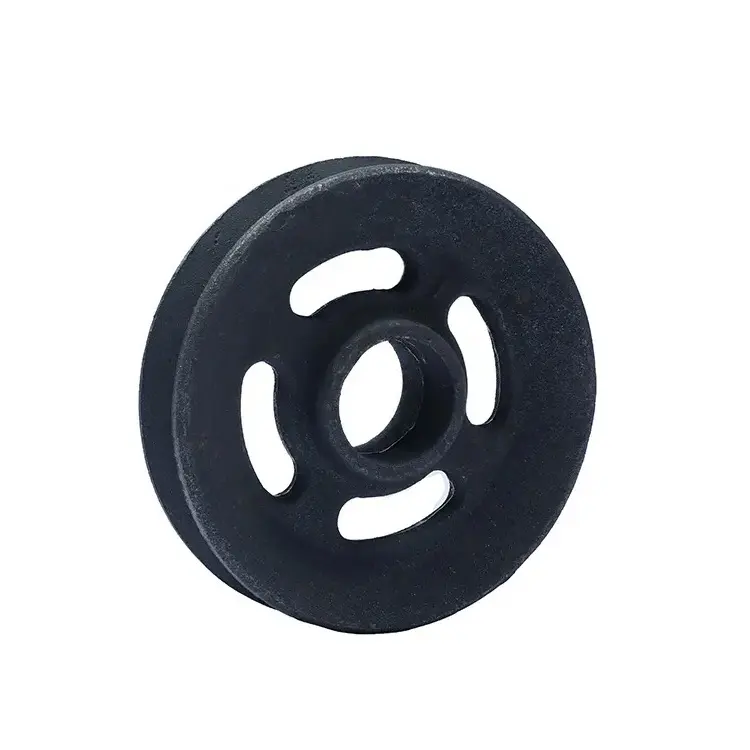
- V-Belt Sheave Pulleys: Used with V-belts for efficient power transmission.
- Timing Belt Sheave Pulleys: Ideal for precise positioning and timing applications.
- Flat Belt Sheave Pulleys: Suitable for light-duty applications.
- Rope Sheave Pulleys: Designed for lifting and hoisting operations.
- Wire Rope Sheave Pulleys: Used in crane and lifting equipment.
- Cable Sheave Pulleys: Commonly found in garage doors and winches.
What is a sheave on a pulley?
- A sheave is a grooved wheel or pulley used with a belt or rope to change the direction of force.
- It provides mechanical advantage by reducing the amount of force required to lift a load.
- Sheaves help in transmitting power efficiently and smoothly.
- They are commonly used in various industrial and mechanical applications.
- Sheaves come in different sizes and materials based on the application requirements.
What are sheaves used for?
- Sheaves are used for lifting heavy loads in construction and manufacturing industries.
- They are essential components in pulley systems for power transmission.
- Sheaves help in changing the direction of motion in mechanical systems.
- They improve traction and prevent slipping in belt and rope drives.
- Sheaves are crucial in maintaining speed variation in machinery.
- They assist in load distribution to prevent excessive wear on components.
Process of Sheave Pulley
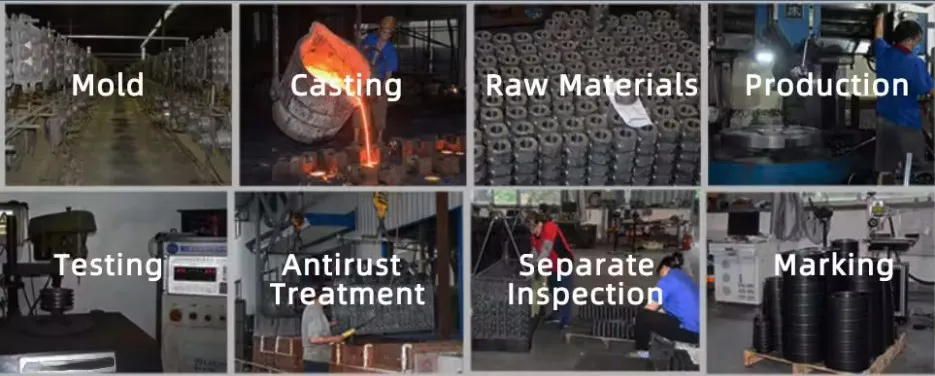
- Mold: Designing and creating the mold for the sheave pulley.
- Casting: Pouring molten metal into the mold to form the sheave pulley shape.
- Raw Materials: Using high-quality materials for durability and performance.
- Production: Manufacturing the sheave pulley with precision and accuracy.
- Testing: Quality testing to ensure the sheave pulley meets standards.
- Antirust Treatment: Applying coatings to prevent corrosion and rust.
- Separate Inspection: Inspecting each sheave pulley individually for quality control.
- Marking: Adding identification marks for easy recognition and tracking.
How do you adjust sheave pulleys?
- Check the alignment of the sheave pulley system.
- Inspect the tension of the belts or ropes.
- Ensure proper lubrication for smooth operation.
- Adjust the position of the sheave on the shaft if necessary.
- Monitor the wear and tear of the sheave pulley components.
- Consult the manufacturer’s guidelines for specific adjustments.
- Seek professional assistance for complex adjustments.
About HZPT
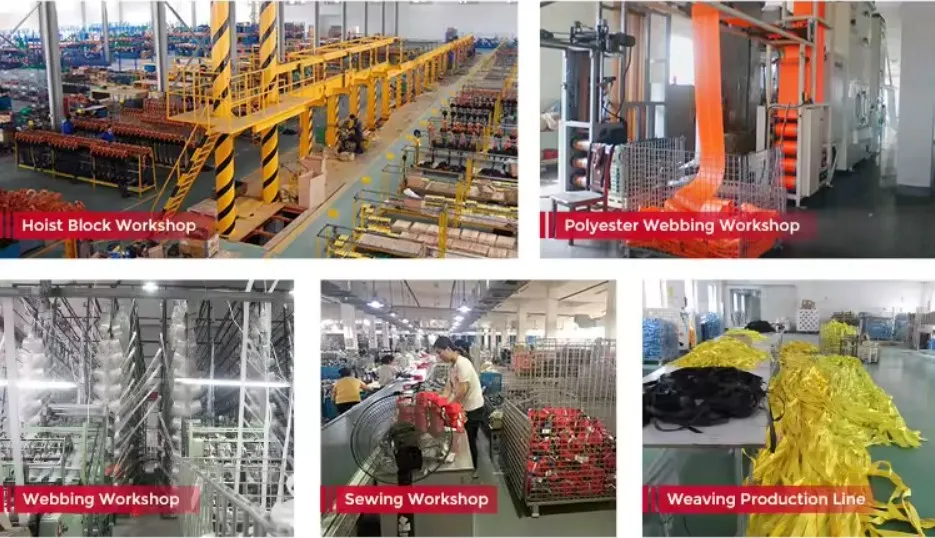
HZPT, established in 2006, is a leading manufacturer of precision transmission components based in Hangzhou. We specialize in producing a variety of intricate products to meet your specific needs. Before establishing our overseas sales team, we began by manufacturing 3D printer parts, anti-theft screws and nuts, camera mounts, and more. We offer assembly production services to streamline the process and save time and costs. Our commitment is to provide top-quality products and services, tailored to your project requirements. Join us early, and we will help you spend wisely!