The Pull-Type Single-Acting Hydraulic Cylinder: Principles and Function
The pull-type single-acting hydraulic cylinder is a crucial component in hydraulic presses, designed to exert force in one direction through the use of hydraulic fluid pressure. This type of cylinder operates on the principle of converting fluid power into linear mechanical force, providing a controlled motion for various industrial applications.
Key Principles of Single Acting Cylinder
- Utilizes hydraulic fluid pressure for force generation
- Operates in one direction only
- Spring return mechanism for cylinder retraction
Compared to double-acting cylinders that apply force in both directions, single-acting cylinders have a simpler design and are often more cost-effective. They are commonly used in applications where force is required in one direction, such as in hydraulic presses.
Components and Structure of Pull-Type Single-Acting Hydraulic Cylinder
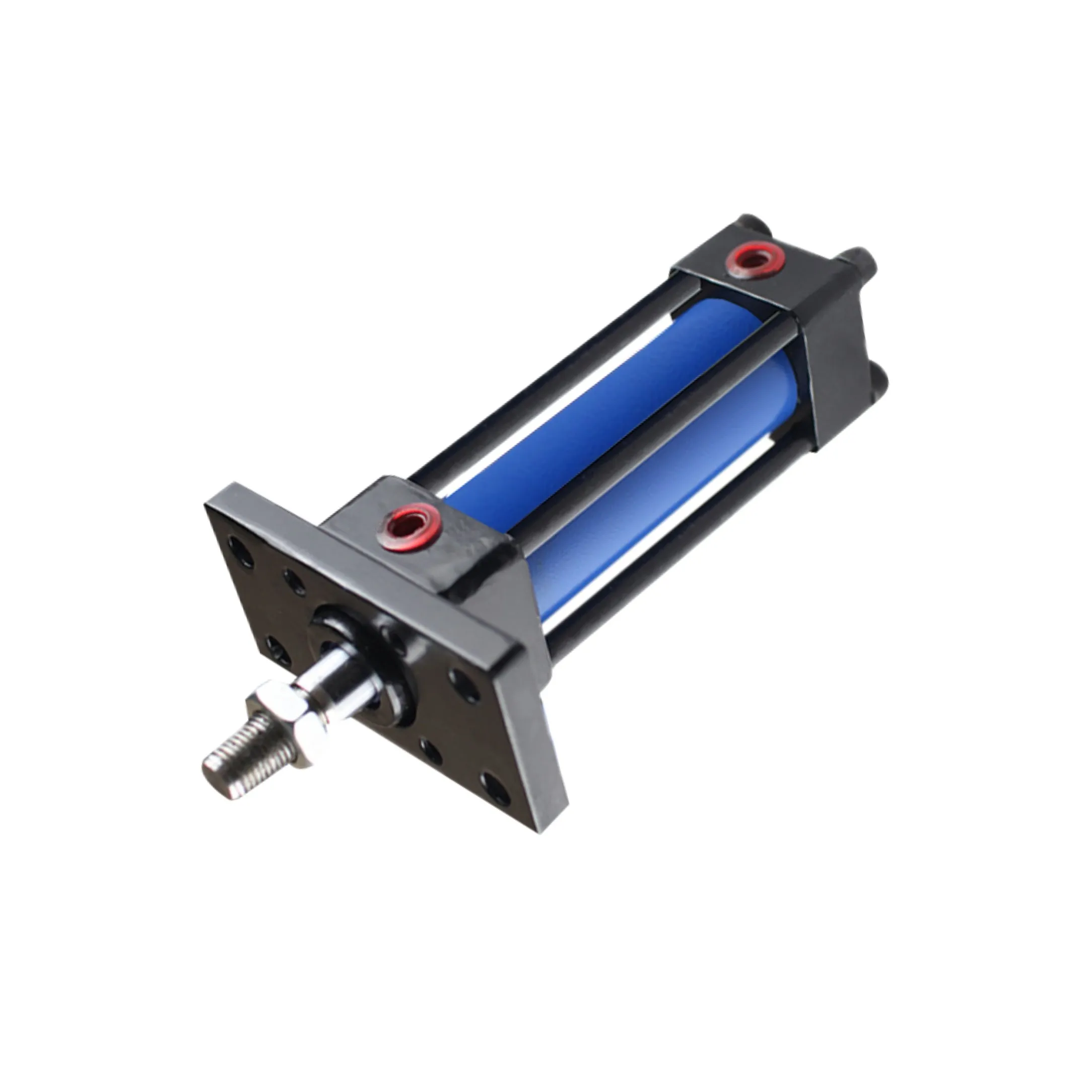
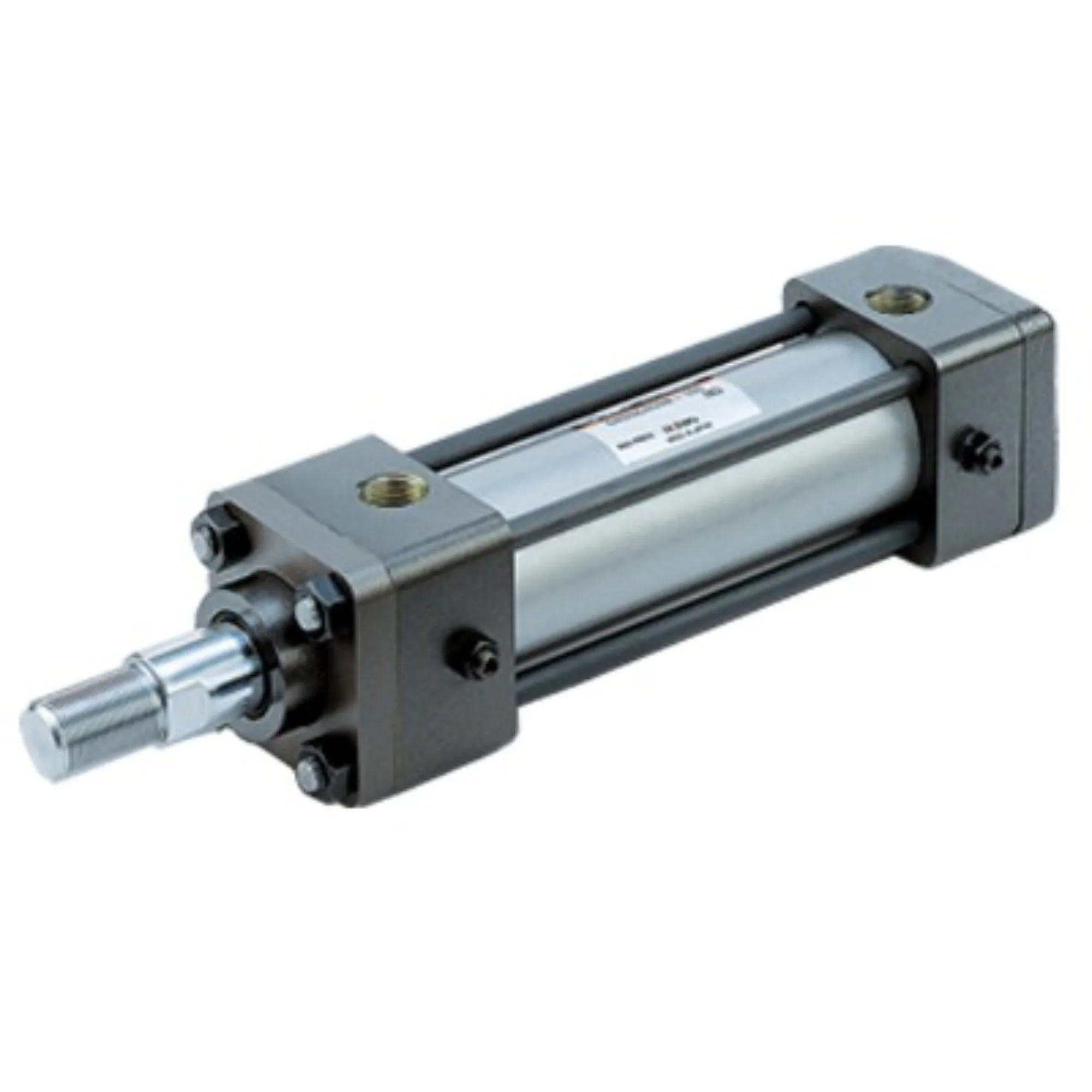
The pull-type single-acting hydraulic cylinder consists of various components, including a cylinder barrel, piston, rod, seals, and hydraulic fluid. The cylinder’s structure is designed to withstand high pressure and provide reliable force generation for industrial processes.
Design and Construction of Single Acting Cylinder
- Robust construction for high load capacity
- Precision engineering for consistent performance
- Sealing technology to prevent leakage
These cylinders are meticulously crafted to ensure durability and efficiency in hydraulic press applications, providing a reliable solution for force requirements in various industries.
Working Principle and Performance Characteristics
The working principle of the single acting cylinder involves the application of hydraulic pressure to the piston, which generates linear force for pushing or pulling objects. The stroke control mechanism allows for precise movement, while performance characteristics include high load capacity and compact design.
Force Generation and Stroke Control
- Hydraulic pressure drives piston movement
- Stroke length determines the distance traveled
- Controlled by hydraulic valves for precise operation
Despite their limitations in force direction, single-acting cylinders offer reliable performance and efficiency in various industrial applications.
Types and Configurations of Single-Acting Hydraulic Cylinder
Various types of pull-type single-acting hydraulic cylinders are available, each designed to meet specific application requirements. Common configurations include telescopic cylinders, plunger cylinders, and differential cylinders, each offering unique features for different industrial processes.
Advantages of Single-Acting Hydraulic Cylinder
- Compact design for space-saving applications
- High load capacity for heavy-duty operations
- Robust construction for long-lasting performance
- Leak resistance for reliable operation
- Cost-effective solution for industrial processes
These advantages make pull-type single-acting hydraulic cylinders a preferred choice for a wide range of industrial applications, including hydraulic presses in manufacturing, construction, transportation, and other sectors.
Industries and Applications of Single-Acting Hydraulic Cylinder
Pull-type single-acting hydraulic cylinders are widely used in various industries, including construction, manufacturing, transportation, and industrial sectors. These cylinders are essential components in machinery and equipment such as hydraulic presses, injection molding machines, and material handling systems.
Factors to Consider in Cylinder Selection
- Load requirements for cylinder size and force calculation
- Stroke length and inner diameter design considerations
- Sealing technology and compatibility with hydraulic fluids
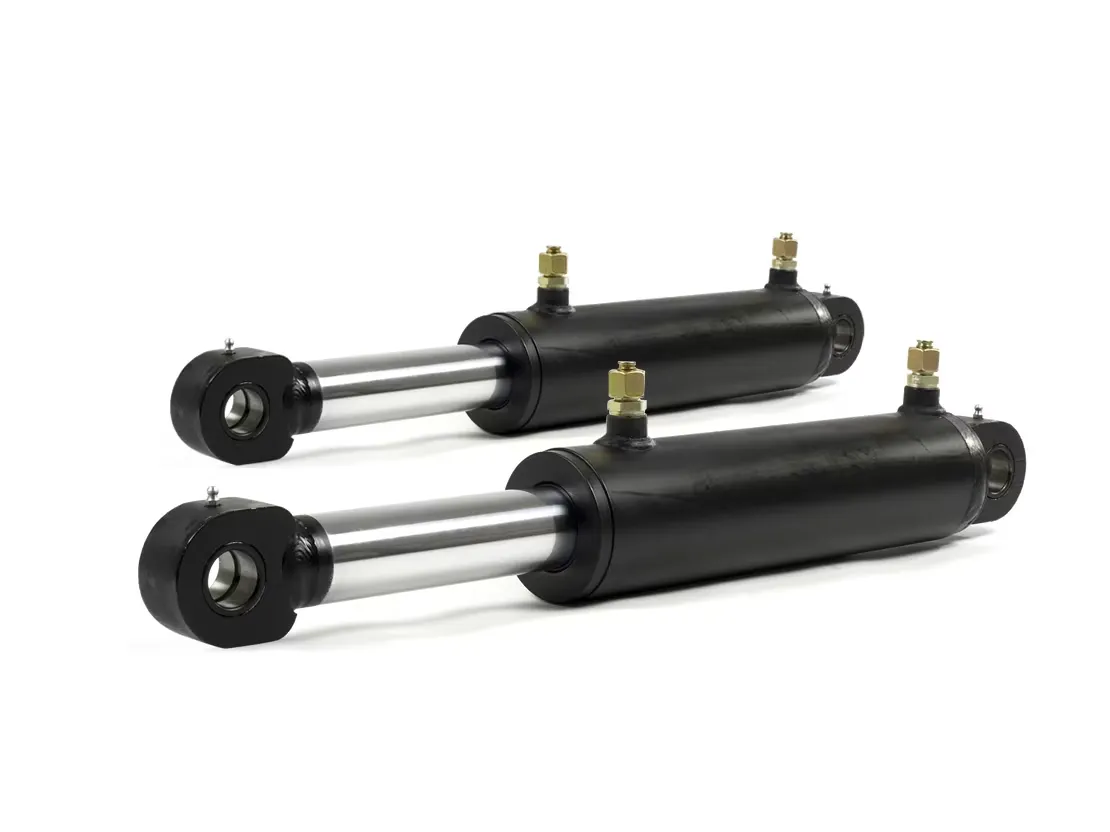
Selecting the right single-acting cylinder involves careful consideration of these factors to ensure optimal performance and efficiency in industrial applications.
Sealing Technology and Cylinder Structure
Seals play a critical role in preventing leakage and ensuring smooth operation of single-acting hydraulic cylinders. Different sealing materials are used based on compatibility with hydraulic fluids, while cylinder structure materials and coatings enhance durability and performance.
Control of Cylinder Speed and Movement
- Hydraulic valves for speed control
- Adjustable buffering options for shock absorption
- Enhanced performance with precise movement control
Controlling cylinder speed and movement is essential for efficient operation and safety in industrial processes, with adjustable buffering options offering improved performance and reduced vibration.
Maintenance and Safety Considerations
Regular inspection and preventive maintenance measures are crucial for ensuring the longevity and performance of pull-type single-acting hydraulic cylinders. Proper lubrication, seal replacement, and calibration inspection help minimize downtime and prevent operational issues.
Installation Guide and Maintenance Tasks
- Proper installation for optimal performance
- Regular inspection and lubrication for longevity
- Seal replacement and calibration inspection for efficiency
Following these maintenance tasks and safety considerations is essential for safe and efficient operation of pull-type single-acting hydraulic cylinders in industrial applications.
Fault Diagnosis and Troubleshooting
Identifying common problems and troubleshooting tips for single-acting cylinders is essential for maintaining operational efficiency. Understanding fault diagnosis and preventive measures can help minimize downtime and ensure reliable performance.
Safety Measures and Environmental Factors

- Importance of safety measures in cylinder operation
- Environmental considerations for hydraulic fluid disposal
- Proper handling and maintenance for safe operation
Adhering to safety measures and considering environmental factors is essential for protecting personnel and equipment when using pull-type single-acting hydraulic cylinders.
Questions and Long-Tail Keywords
- How does a pull-type single-acting hydraulic cylinder operate?
- What are the advantages of using a pull-type single-acting hydraulic cylinder?
- In what applications are pull-type single-acting hydraulic cylinders commonly used?
- What are the main components of a pull-type single-acting hydraulic cylinder?
- How is the force generated in a pull-type single-acting hydraulic cylinder?
- What is the difference between a pull-type single-acting hydraulic cylinder and a double-acting hydraulic cylinder?
Company Focus
We are a leading hydraulic cylinder replacement manufacturer with a comprehensive product line for various industrial applications. Our company is dedicated to providing high-quality hydraulic cylinders, customized services, and reliable after-sales support to clients in the domestic and international markets.
For more information about our products and services, please visit our website or contact us for personalized assistance.