PTO Coupling Types
Understanding PTO Couplings
Power Take-Off (PTO) couplings are essential devices used in mechanical systems to transmit power from a source to an application. These couplings come in various types and serve different purposes depending on the mechanical requirements.
Functions of PTO Couplings
PTO couplings primarily facilitate the transfer of rotational power. They connect the power source, often an engine, to an application, such as agricultural machinery or industrial equipment, ensuring efficient and reliable operation.
Categories of PTO Couplings
PTO couplings can be broadly categorized into three types: rigid, flexible, and fluid couplings. Each category addresses specific mechanical needs and operational conditions.
Rigid PTO Couplings
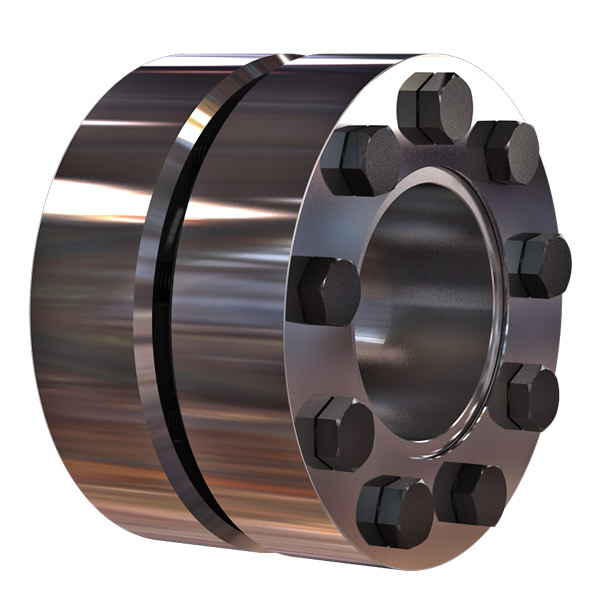
Rigid couplings are used when precise alignment of shafts is required. These couplings do not allow for any misalignment and are typically used in applications where shafts are perfectly aligned.
Flexible PTO Couplings
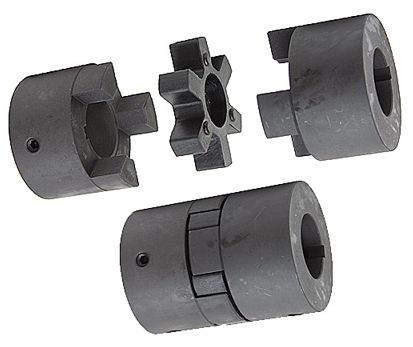
Flexible couplings accommodate slight misalignments between shafts. They are designed with elements that allow for flexibility, reducing stress on shafts and bearings.
Fluid PTO Couplings
Fluid couplings transmit power through a fluid medium. These couplings are used in applications where smooth and gradual power transmission is needed, such as in automotive or heavy machinery.
Key Features of Different PTO Coupling Types
Each type of PTO coupling has unique features that make them suitable for specific applications. Understanding these features helps in selecting the right coupling for your needs.
Durability and Strength
PTO couplings are built to withstand high torque and load conditions. Rigid couplings are known for their durability, while flexible couplings provide strength along with flexibility.
Misalignment Tolerance
Flexible couplings are designed to tolerate minor misalignments, which can be axial, radial, or angular. This makes them ideal for applications where perfect alignment is challenging.
Vibration Dampening
Flexible and fluid couplings are effective in dampening vibrations, reducing the impact on machinery and improving overall system longevity.
Applications of PTO Couplings
PTO couplings are used in a wide range of applications across various industries. Their versatility and reliability make them indispensable in mechanical systems.
Agricultural Machinery
In agriculture, PTO couplings connect the tractor¡¯s power source to various implements like mowers, balers, and tillers, ensuring efficient operation.
Industrial Equipment
In industrial settings, PTO couplings connect engines or motors to pumps, compressors, and conveyors, facilitating seamless transmission of power.
Automotive Sector
Fluid couplings are commonly used in automotive applications, providing smooth and controlled power transfer in vehicles.
Materials Used in PTO Couplings
PTO couplings are made from a variety of materials, each chosen based on the specific requirements of the application, including load, environment, and durability needs.
Metallic Materials
Metals such as steel and aluminum are commonly used in rigid couplings due to their strength and durability.
Composite Materials
Flexible couplings often use composite materials that combine strength and flexibility, making them suitable for applications with misalignment.
Elastomers
Elastomeric elements in flexible couplings provide damping properties and can absorb shock and vibrations.
Installation and Maintenance of PTO Couplings
Proper installation and regular maintenance of PTO couplings are crucial for ensuring their longevity and performance. This includes alignment checks, lubrication, and inspecting for wear and tear.
Correct Alignment
Ensuring correct shaft alignment during installation prevents undue stress and wear on the coupling and connected equipment.
Lubrication
Regular lubrication of mechanical parts in the coupling reduces friction and wear, ensuring smooth operation.
Inspection and Replacement
Periodic inspection for signs of wear, cracks, or damage is essential. Timely replacement of worn-out parts helps maintain the efficiency of the system.
Environmental Adaptations
Couplings may need to be adapted for specific environmental conditions, such as exposure to chemicals, high temperatures, or moisture, to ensure durability and performance.
Advanced PTO Coupling Technologies
Recent advancements in coupling technologies have led to the development of more efficient and reliable PTO couplings. Innovations include improved materials, design enhancements, and smart monitoring systems.
Smart Couplings
Smart couplings equipped with sensors can monitor performance metrics such as torque, alignment, and temperature, providing real-time data for predictive maintenance.
Enhanced Material Science
New materials with superior strength, flexibility, and resistance to wear and environmental factors are being used to manufacture more durable and efficient couplings.
Design Improvements
Innovative designs that reduce weight, improve balance, and enhance power transmission efficiency are continually being developed to meet evolving industry demands.
Why Choose the Right PTO Coupling?
Selecting the appropriate PTO coupling is crucial for the optimal performance of your machinery. The right coupling can enhance efficiency, reduce downtime, and extend the lifespan of your equipment.
Operational Efficiency
The correct coupling ensures efficient power transmission, reducing energy losses and improving overall system performance.
Reduced Downtime
Using an appropriate coupling minimizes the risk of mechanical failures, thereby reducing downtime and maintenance costs.
Extended Equipment Life
A well-chosen coupling mitigates stress and wear on connected machinery, prolonging the operational life of the equipment.
Conclusion
Understanding the different types of PTO couplings and their specific applications is essential for selecting the right coupling for your machinery. With advancements in technology, PTO couplings continue to evolve, offering improved performance and reliability.
What are the three types of coupling?
The three types of couplings are rigid, flexible, and fluid couplings. Each type serves a specific purpose in mechanical systems by addressing different operational needs and conditions.
What coupling is used to connect two shafts?
The type of coupling used to connect two shafts depends on several parameters and actual conditions:
- Alignment: If the shafts are perfectly aligned, a rigid coupling may be suitable. For slight misalignments, flexible couplings are preferred.
- Load and Torque: The coupling must be capable of handling the mechanical load and torque requirements of the application.
- Vibration and Shock: If the system experiences significant vibrations or shocks, a flexible or fluid coupling with damping capabilities is recommended.
- Environmental Conditions: Factors such as temperature, humidity, and chemical exposure must be considered when selecting the coupling material and type.
- Maintenance: The ease of installation and maintenance frequency should also guide the choice of coupling type.
What are the two general types of shaft couplings?
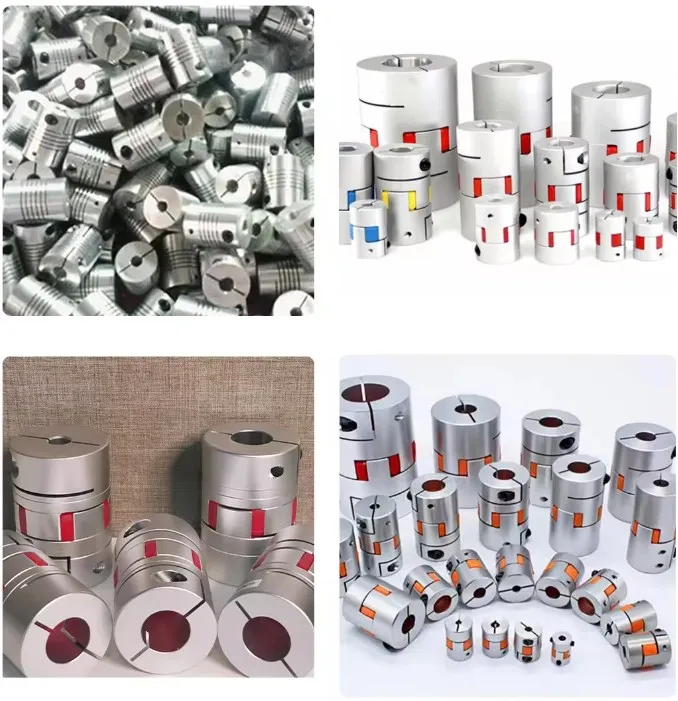
The two general types of shaft couplings are rigid and flexible couplings. Rigid couplings are used when precise shaft alignment is required, while flexible couplings can accommodate minor misalignments and provide vibration damping.
HZPT, located in Hangzhou, Zhejiang Province, is a modern enterprise that integrates research, learning, production, and foreign trade. We adhere to our core values of “integrity” as our business philosophy, fostering unity, progress, and innovation. We specialize in high-tech development, international trade, industrial investment, and domestic and international networks, focusing on the research and innovation of coupling products. Our business spans across Asia, Europe, Africa, and North America, aiming to become a globally influential international group. Our company professionally manufactures various series of coupling products, including drum-shaped couplings, spring pin couplings, serpentine spring couplings, universal couplings, star couplings, expansion couplings, diaphragm couplings, and tire couplings. We have a complete and scientific quality management system, as well as our own technical development and testing departments, holding certifications such as CQC, ISO, and CE. We provide excellent sales service and technical support to our customers. Serving hundreds of cooperative enterprises, we uphold the business philosophy of “people-oriented, customer first,” working sincerely with our customers for mutual development.
Why Choose Our Shaft Couplings?
Our company specializes in the production and sale of shaft couplings, and we invite you to explore our products and services for the following reasons:
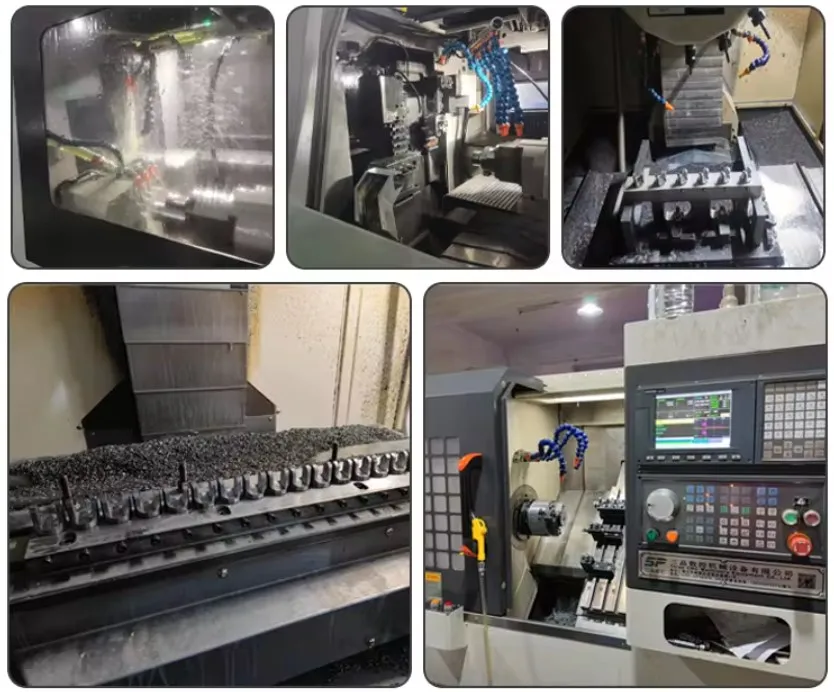
- High-Quality Products: We use advanced materials and manufacturing processes to ensure our couplings meet the highest standards of quality and durability.
- Innovative Designs: Our couplings are designed with the latest technological advancements, providing improved performance and reliability.
- Comprehensive Range: We offer a wide variety of coupling types to meet the specific needs of different applications.
- Expert Technical Support: Our technical team offers expert advice and support to help you select the right coupling for your requirements.
- Global Reach: With our international presence, we can efficiently serve customers around the world, ensuring timely delivery and support.
Partner with us for all your coupling needs and experience the advantages of working with a trusted and innovative industry leader.