Power Wheel Gearbox Gear Mesh Optimization

Introduction
Power wheel gearboxes are widely used in various industrial applications, including construction machinery, mining equipment, and agricultural machinery. The optimization of gear mesh is critical for the performance and longevity of power wheel gearboxes. In this article, we will discuss the key factors that affect the gear mesh of power wheel gearboxes and how to optimize the gear mesh to improve the performance and reliability of power wheel gearboxes.
Gear Mesh Analysis
Gear mesh refers to the way in which two gears engage with each other. The gear mesh can affect the transmission efficiency, noise level, and wear of power wheel gearboxes. The factors that affect the gear mesh include the gear tooth profile, gear manufacturing accuracy, lubrication, and operating conditions. A proper gear mesh should ensure a smooth and quiet operation, as well as a long service life of power wheel gearboxes.
Gear Tooth Profile Design
The gear tooth profile design is critical for achieving a proper gear mesh. The gear tooth profile should be designed to minimize the tooth surface stresses, ensure adequate contact area, and avoid tooth interference. The most commonly used gear tooth profiles include involute, cycloidal, and trochoidal profiles. The selection of gear tooth profile depends on the specific application requirements and manufacturing limitations. The figure below shows a comparison of different gear tooth profiles.

Gear Manufacturing Accuracy
The gear manufacturing accuracy is another important factor that affects the gear mesh. The gear manufacturing process should ensure the desired tooth profile, tooth spacing, and surface finish. The most commonly used gear manufacturing processes include gear hobbing, gear shaping, and gear grinding. The selection of gear manufacturing process depends on the gear type, size, and quality requirements. The figure below shows a comparison of different gear manufacturing processes.

Lubrication
The lubrication of gears is critical for reducing friction, wear, and noise. The lubricant should have the desired viscosity, additives, and contamination control. The gear lubrication system should ensure the proper distribution and replenishment of lubricant to the gear mesh. The figure below shows a cross-sectional view of a typical gear lubrication system.

Operating Conditions
The operating conditions of power wheel gearboxes, such as the load, speed, and temperature, can affect the gear mesh. The gear design should consider the worst-case operating conditions to ensure the proper gear mesh under all circumstances. The gear materials should have adequate strength, toughness, and wear resistance to withstand the operating conditions. The figure below shows a comparison of different gear materials.

Conclusion
The optimization of gear mesh is critical for the performance and reliability of power wheel gearboxes. The gear tooth profile design, gear manufacturing accuracy, lubrication, and operating conditions are the key factors that affect the gear mesh. By considering these factors and optimizing the gear mesh, we can improve the performance, efficiency, and service life of power wheel gearboxes.
About Us
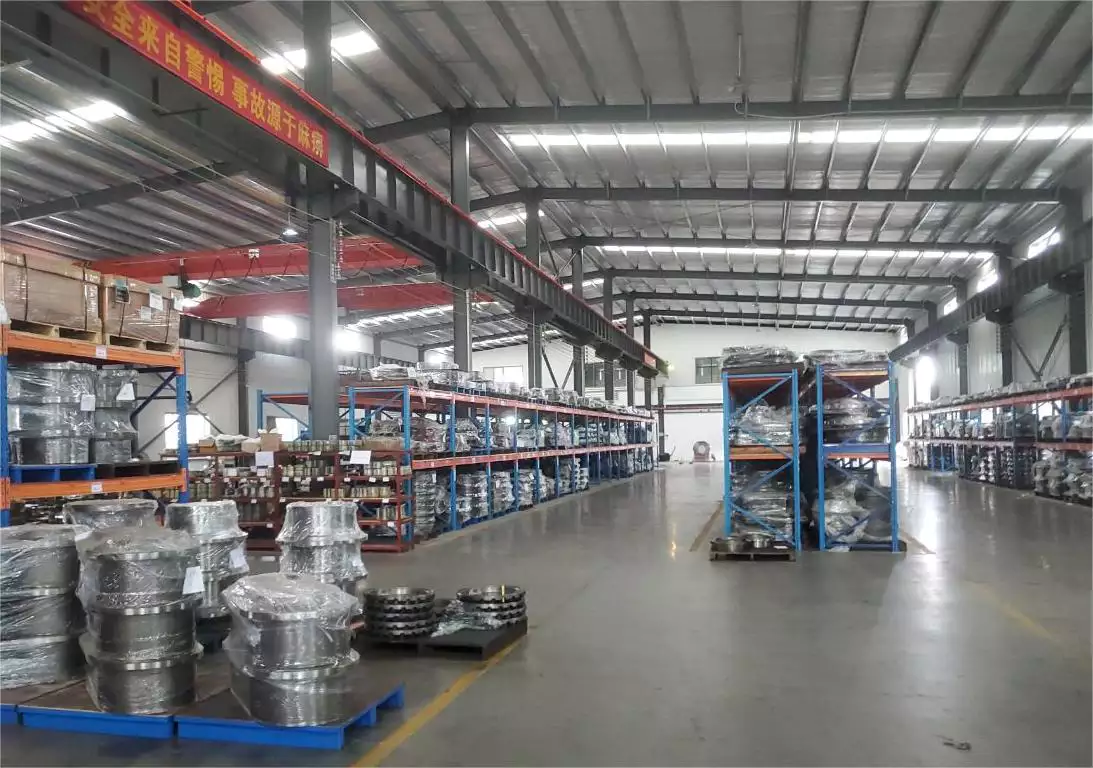
We are a leading manufacturer of high-quality engineering machinery spare parts, including walking reducer assemblies, rotary reducer assemblies, gears, gear rings, transmission shafts, planetary frames, wheel hubs, pump casings, rotary shaft seats, end covers, gaskets, bearings, oil seals, and other accessories. Our company is equipped with various production equipment, introducing excellent processing technology, and has a high-quality production design and marketing team. We have over 12,000 transmission parts for excavators and bulldozers, applicable to more than 586 models. Our goal is to provide customers with high-quality products and services to help them achieve their business objectives.
Acknowledgement
Author: Miya