A mini round hay baler is a compact, efficient agricultural machine specifically designed for small-scale and organic farming operations. It is engineered to collect and compress cut hay, straw, or grass into compact round bales, which are easier to handle, transport, and store compared to traditional loose hay. This baler is particularly advantageous for organic farmers who often manage smaller plots of land and require equipment that can operate effectively in confined spaces.
The mini round hay baler is lightweight and typically requires lower horsepower tractors, making it a cost-effective solution for farmers. It features a simple yet robust design, ensuring durability and ease of maintenance. The baler is equipped with advanced binding mechanisms to secure the bales tightly, preserving the nutritional quality of the forage by minimizing exposure to the elements. Additionally, its ability to produce uniform bales aids in efficient stacking and optimal use of storage space.
Designed with the environment in mind, this baler reduces soil compaction and helps maintain the integrity of organic farming practices. Its operational efficiency and adaptability to various crop conditions make the mini round hay baler an indispensable tool for sustainable and productive organic farming.
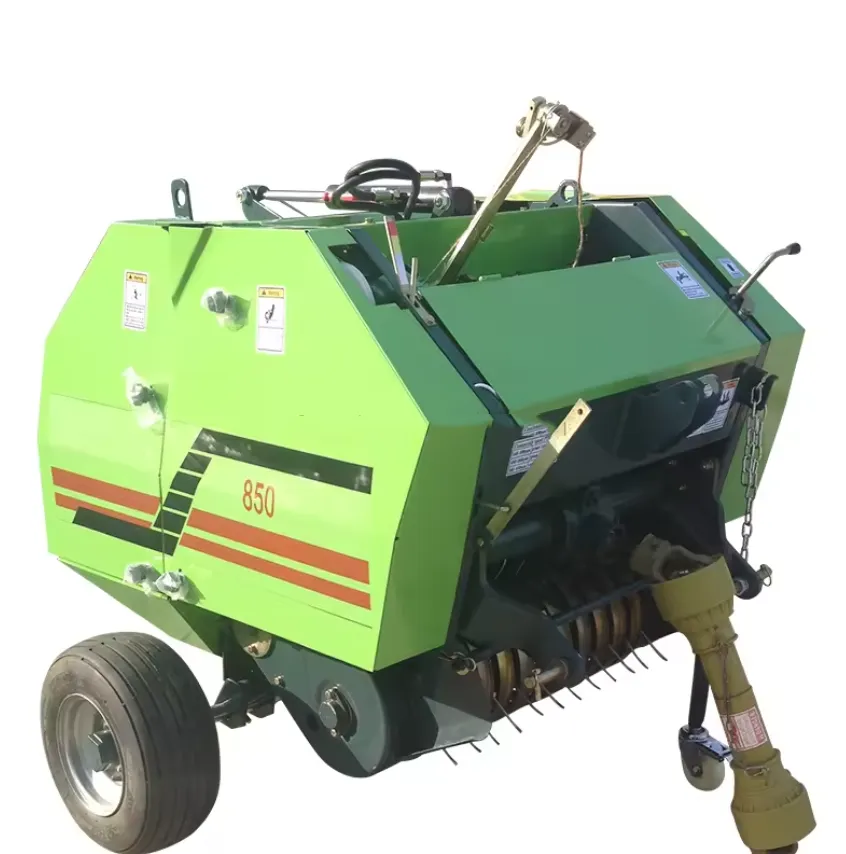
Advantages of Mini Round Hay Baler for Organic Farming
The mini round hay baler offers numerous advantages for organic farming, making it a valuable asset for farmers who prioritize sustainable and efficient agricultural practices. Here are some of the key benefits:
1. Compact and Lightweight Design
The Mini Round Hay Baler’s compact and lightweight design makes it ideal for small-scale and organic farming operations. It can easily maneuver through narrow fields and tight spaces, reducing the need for extensive field preparation. This design minimizes soil compaction, which is crucial for maintaining soil health and promoting sustainable farming practices. Additionally, its reduced weight puts less strain on the tractor, leading to lower fuel consumption and operational costs.
2. Cost-Effective Operation
Organic farmers often operate on tighter budgets and smaller scales compared to conventional farming. The Mini Round Hay Baler offers a cost-effective solution due to its lower initial investment and operational costs. It requires less horsepower from tractors, meaning farmers can use smaller, more affordable tractors. Maintenance costs are also lower due to the baler’s simpler mechanical structure, ensuring that organic farmers can allocate resources efficiently while still achieving high productivity.
3. Preservation of Forage Quality
The advanced binding mechanisms of the Mini Round Hay Baler ensure that bales are tightly secured, protecting the forage from excessive exposure to air and moisture. This preservation of forage quality is vital for organic farmers who prioritize the nutritional value of their crops. High-quality bales retain more nutrients, which is essential for feeding livestock in organic farming systems. This helps in maintaining the health and productivity of animals, leading to better overall farm output.
4. Enhanced Storage and Handling Efficiency
The uniform size and shape of the round bales produced by the Mini Round Hay Baler facilitate easier handling, transport, and storage. This efficiency is particularly beneficial for organic farmers who often have limited storage space. The bales can be stacked neatly, optimizing the use of available storage areas and protecting the forage from spoilage. Efficient handling reduces labor costs and time, allowing farmers to focus on other critical aspects of organic farming.
5. Adaptability to Various Crops
The Mini Round Hay Baler is versatile and can handle a variety of crops, including hay, straw, and grass. This adaptability is advantageous for organic farmers who typically grow a diverse range of crops to maintain soil health and biodiversity. The ability to bale different types of forage with a single machine enhances operational efficiency and reduces the need for multiple pieces of equipment. This versatility supports the diverse cropping systems common in organic farming.
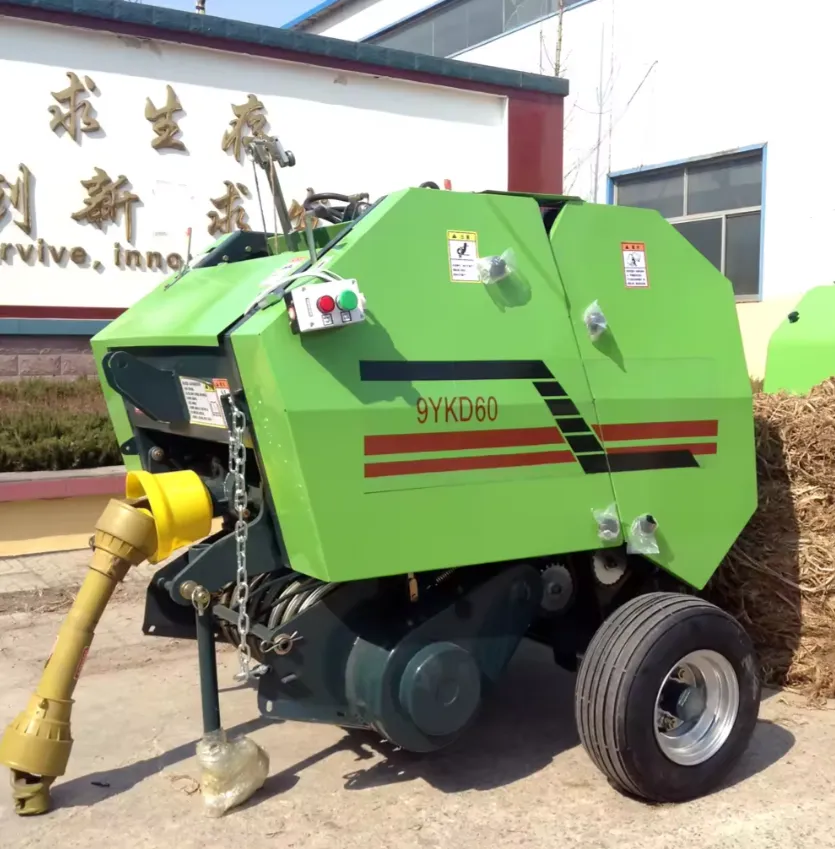
Common Applications of Mini Round Baler
The mini round hay baler, due to its compact size and efficiency, is highly beneficial for various agricultural applications, particularly in small-scale and organic farming environments. Here are several key applications of this equipment:
1. Hay Production for Livestock Feeding
Mini Round Hay Balers are extensively used in producing hay for feeding livestock. Organic farmers often prioritize high-quality forage to ensure the health and productivity of their animals. The baler collects and compresses cut hay into manageable, compact round bales, preserving the nutritional value and facilitating easier storage and transport. This application is critical for maintaining a steady supply of nutritious feed, especially during off-season periods.
2. Straw Baling for Bedding and Mulching
Straw baling is another significant application of mini round hay balers. The compact round bales of straw are used for animal bedding, providing comfort and hygiene in barns and stables. Additionally, straw bales serve as mulch in organic farming, helping to retain soil moisture, suppress weeds, and improve soil structure. This dual-purpose use of straw baling enhances farm efficiency and supports sustainable farming practices.
3. Harvesting and Storing Grass Silage
Organic farmers utilize mini round balers to harvest and store grass silage, a fermented, high-moisture fodder that is essential for livestock nutrition, especially in regions with limited growing seasons. The baler ensures that the grass is tightly packed and sealed, promoting anaerobic fermentation and preserving the feed’s quality. This application is crucial for providing a reliable and nutritious feed source throughout the year.
4. Clearing Crop Residues
After harvesting crops like cereals, organic farmers use mini hay round balers to clear crop residues from the fields. Baling these residues helps in managing crop waste efficiently, reducing the need for burning or other disposal methods that can harm the environment. The collected bales can be used as livestock feed, bedding, or mulch, promoting resource recycling and sustainable farm management.
5. Support for Small-Scale and Diversified Farms
The versatility of mini round hay balers makes them ideal for small-scale and diversified organic farms. These farms often grow a variety of crops and maintain mixed livestock operations. The baler’s ability to handle different types of forage and crop residues supports the diverse needs of these farms, enhancing operational efficiency and reducing the need for multiple specialized machines.
6. Maintaining Pastures and Grasslands
Maintaining healthy pastures and grasslands is vital for organic farming. Mini round balers are used to periodically bale grass from pastures, preventing overgrowth and promoting the regrowth of nutritious forage. This practice helps in maintaining the health and productivity of the pasture, ensuring a continuous supply of high-quality grazing material for livestock. Additionally, regular baling supports the biodiversity and ecological balance of grassland ecosystems.

Working Principle of Tractor Mount PTO Drive Mini Round Hay Baler
A tractor mount PTO drive mini round hay baler is a highly efficient machine designed to collect, compress, and bind forage crops such as hay, straw, and grass into compact round bales. Here is a detailed explanation of its working principle:
1. Power Transmission via PTO Shaft
The working process begins with the tractor’s Power Take-Off (PTO) shaft, which transfers rotational power to the hay baler. When the tractor’s engine is running, the PTO shaft engages, converting the engine’s mechanical power into rotational energy that drives the baler’s internal components. This setup allows the baler to operate directly off the tractor’s power, ensuring efficient and synchronized operation.
2. Forage Pickup Mechanism
As the tractor moves through the field, the baler’s pickup mechanism comes into play. This mechanism consists of rotating tines or teeth that lift and gather the cut forage lying on the ground. The pickup tines efficiently guide the forage into the baler’s intake chamber. The pickup width is designed to match the swath width of the forage, ensuring thorough collection and minimizing losses.
3. Feeding and Compression System
Once the forage enters the intake chamber, it is fed into the baler’s compression system. This system typically includes a set of rollers, belts, or chains that continuously move the forage into the baling chamber. As the forage accumulates, it is compressed into a dense cylindrical shape. The compression process is crucial for creating tight, uniform bales that are easy to handle and store.
4. Bale Formation in the Chamber
The heart of the mini round hay baler is the baling chamber, where the forage is tightly wound into a round bale. The chamber’s design ensures even distribution of the forage, resulting in a well-formed and balanced bale. Sensors and mechanisms within the chamber monitor the bale’s size and density, ensuring consistent quality. As the chamber fills, the forage is continuously rotated and compressed until the desired bale size is achieved.
5. Binding and Wrapping Process
Once the bale reaches its optimal size, the binding process begins. The baler uses a twine, net, or plastic wrap to secure the bale tightly. This binding mechanism ensures the bale maintains its shape and protects the forage from external elements such as moisture and air. The type of binding material used can vary based on the farmer’s preference and the specific requirements of the forage being baled.
6. Bale Ejection and Release
After the bale is securely bound, it is ejected from the baling chamber. The baler typically features an automatic ejection system that opens the chamber and releases the finished bale onto the ground. This system allows for quick and efficient baling, enabling continuous operation without the need for manual intervention. The ejected bale is then ready for transport, storage, or immediate use.
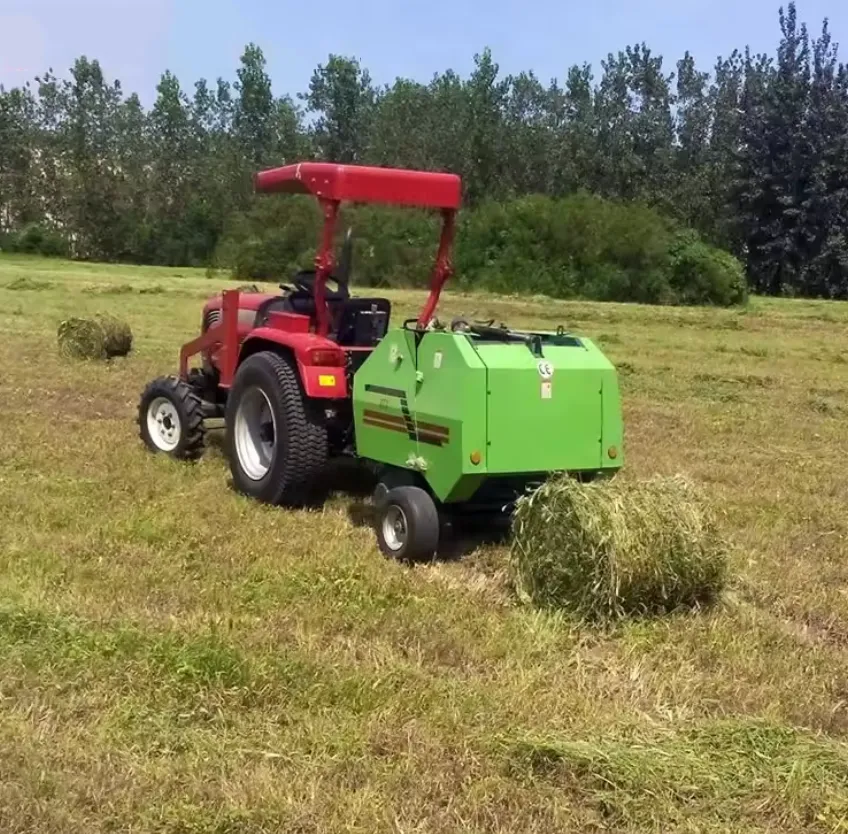
Maintenance Tips for Mini Hay Round Baler
Maintaining a mini hay round baler is essential to ensure its longevity, reliability, and optimal performance. Proper maintenance also helps prevent breakdowns during critical harvesting periods. Here is a comprehensive guide on how to maintain your mini hay round baler effectively:
1. Regular Cleaning and Inspection
Keeping the Mini Round Hay Baler clean is crucial for its longevity and efficient operation. After each use, remove any accumulated hay, dirt, or debris from the baler’s components, especially the pickup tines, baling chamber, and binding mechanism. Inspect for any signs of wear, damage, or blockages that could affect performance. Regular cleaning prevents rust and ensures that all moving parts function smoothly, reducing the risk of breakdowns during operation.
2. Lubrication of Moving Parts
Proper lubrication of the baler’s moving parts, such as chains, bearings, rollers, and gears, is essential to minimize friction and wear. Follow the manual’s recommendations for the type and frequency of lubrication. Regularly check the oil levels in gearboxes and ensure that all grease fittings are adequately greased. Lubrication not only extends the lifespan of the components but also ensures that the baler operates efficiently and quietly.
3. Checking and Adjusting Tension
The tension of belts, chains, and binding twine/net should be checked regularly to ensure optimal performance. Overly loose or tight components can cause malfunctions or damage to the baler. Follow the manual’s guidelines for proper tension settings and make adjustments as needed. Proper tension ensures that the forage is fed smoothly into the baling chamber and that the binding material is applied correctly, resulting in well-formed bales.
4. Inspection and Replacement of Worn Parts
Regularly inspect critical components such as pickup tines, knives, rollers, and belts for signs of wear and tear. Replace any worn or damaged parts promptly to prevent further damage and ensure continuous, reliable operation. Keeping a supply of common replacement parts on hand can minimize downtime during the baling season. Using genuine parts from the manufacturer guarantees compatibility and optimal performance.
5. Seasonal Storage and Off-Season Maintenance
At the end of the baling season, prepare the Mini Round Hay Baler for storage by thoroughly cleaning it and performing any necessary maintenance tasks. Store the baler in a dry, sheltered location to protect it from the elements. Before storing, check for any parts that may need replacement or repair and address these issues. Perform a comprehensive inspection and maintenance routine before the start of the next baling season to ensure the baler is ready for efficient operation.

Choose the Right Agricultural PTO Shaft for Mini Round Baler
Choosing the right PTO shaft for a mini round baler is crucial for maximizing efficiency and safety in agricultural operations. Here’s a detailed guide to help you select the appropriate PTO shaft:
1. Determine the Required Length
The first step in selecting the appropriate PTO shaft is determining the correct length needed for your Mini Round Baler. Measure the distance between the tractor’s PTO output shaft and the baler’s input shaft when the baler is attached to the tractor. Ensure there is enough overlap between the telescoping sections of the PTO shaft to handle the range of movement during operation. A correctly sized shaft will prevent excessive wear and ensure smooth power transmission.
2. Match the Horsepower Rating
PTO shafts are rated based on the horsepower they can safely transmit. Check the horsepower requirements of your Mini Round Baler and ensure the PTO shaft you select can handle this power. Using a shaft with an insufficient horsepower rating can lead to overheating, excessive wear, and potential failure, while an over-rated shaft can be unnecessarily heavy and expensive. The right match ensures optimal performance and longevity of both the baler and the PTO shaft.
3. Select the Correct Yoke Type
Different balers and tractors may require specific yoke types and sizes to fit their PTO shafts. Common yoke types include quick-release, clamp-style, and splined yokes. Verify the specifications of both the tractor’s PTO output shaft and the baler’s input shaft to choose a compatible yoke type. Correctly matching the yoke type ensures a secure and efficient connection, preventing slippage and damage during operation.
4. Consider the Safety Features
Safety is a critical consideration when selecting a PTO shaft. Look for shafts that come with protective guards or shields to cover the rotating parts, reducing the risk of injury. Additionally, consider features such as shear bolts or slip clutches that protect the baler and tractor from damage in case of a sudden overload or jam. These safety features are essential for preventing accidents and ensuring the longevity of the equipment.
5. Check for Compatibility with Implement
Ensure the PTO shaft you choose is compatible with the specific make and model of your Mini Round Baler. Consult the baler’s manual specifications to determine the required shaft type and any specific features needed for compatibility. Using a shaft designed for your baler’s requirements will ensure efficient power transfer and reduce the risk of operational issues or damage.
6. Evaluate Durability and Quality
The durability and quality of the PTO shaft are paramount for reliable operation. Choose a PTO shaft made from high-quality materials, such as hardened steel, that can withstand the demands of regular agricultural use. Look for shafts from reputable manufacturers known for their durability and performance. A well-constructed PTO shaft will have a longer lifespan, require less maintenance, and provide consistent performance, making it a cost-effective investment for your farming operations.
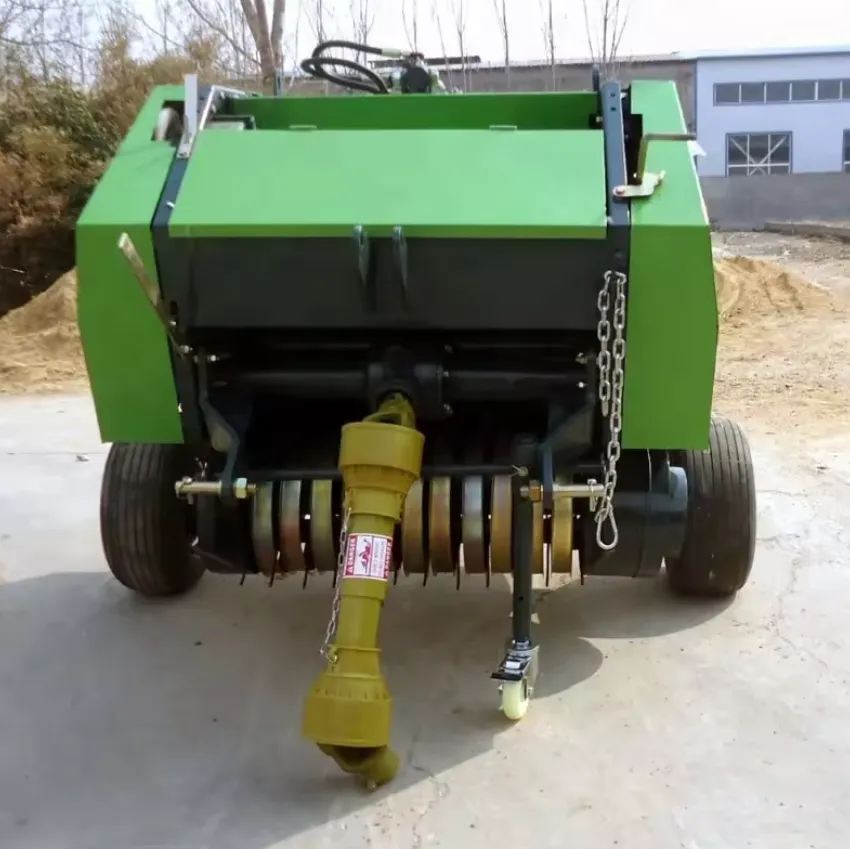
Why Choose EVER-POWER’s Mini Round Baler?
Ever-Power Group is a leading manufacturer and distributor of agricultural machinery, specializing in the production of mini round balers. Our company boasts a robust infrastructure, state-of-the-art technology, and a dedicated team of professionals committed to excellence. Our Mini Round Balers are designed to deliver exceptional performance, efficiency, and reliability, catering to the needs of small-scale and organic farmers. These balers are compact, easy to operate, and require low horsepower, making them ideal for various farming applications such as hay, straw, and grass baling.
Our mini round balers are renowned for their durability, advanced binding mechanisms, and ability to produce uniform bales that are easy to handle, transport, and store. These features make them indispensable tools for modern farming practices, ensuring optimal forage quality and efficient storage solutions. Ever-Power’s expertise in the field of Mini Round Balers is unmatched, and we take pride in our ability to offer high-quality, customized solutions that meet the specific needs of our clients.
In addition to mini round balers, Ever-Power Group provides a comprehensive range of agricultural machinery, including PTO shafts, agricultural gearboxes, large round balers, PTO wood chippers, diesel wood chippers, corn seeders, drum mowers, rotary hay rakes, flail mowers, lawn mowers, sickle bar mowers, rotary mowers, rotary tillers, land levelers, fertilizer spreaders, furrow ploughs, disc harrows, disc blades, disc ridgers, disc ploughs, potato planters, potato harvesters, wheat seeders, vegetable seeders, post hole diggers, boom sprayers, agricultural subsoilers, agricultural trailers, disc mowers, finger wheel rakes, log splitters, front end loaders, backhoes, snow blowers, and road sweepers.
We emphasize our professional expertise, international certifications, customized services, advanced production facilities, and exceptional after-sales support. Our commitment to quality and customer satisfaction has established Ever-Power as a trusted name in the agricultural machinery industry, both domestically and internationally.

Author: Yjx