A tractor PTO driven vertical feed mixer gearbox is a specialized mechanical component designed to transmit the rotational power from a tractor’s engine to a vertical feed mixer. This gearbox is an essential part of agricultural machinery used for mixing various feed components into a homogeneous animal feed. It harnesses the power provided by the tractor’s PTO shaft, which typically operates at speeds of 540 or 1000 RPM, and adjusts this power to the optimal speed and torque needed for the mixing process.
The gearbox itself consists of a robust housing that contains a series of gears, bearings, and seals. These components work together to reduce the input speed and increase the torque, ensuring that the mixer can handle the physical demands of combining different feed materials, such as grains, supplements, and forage. The design of the gearbox allows for efficient power transmission with minimal energy loss, which is critical in large-scale farming operations where time and resource efficiency are paramount. This setup not only facilitates effective mixing but also extends the machinery’s life by operating within its ideal power range.
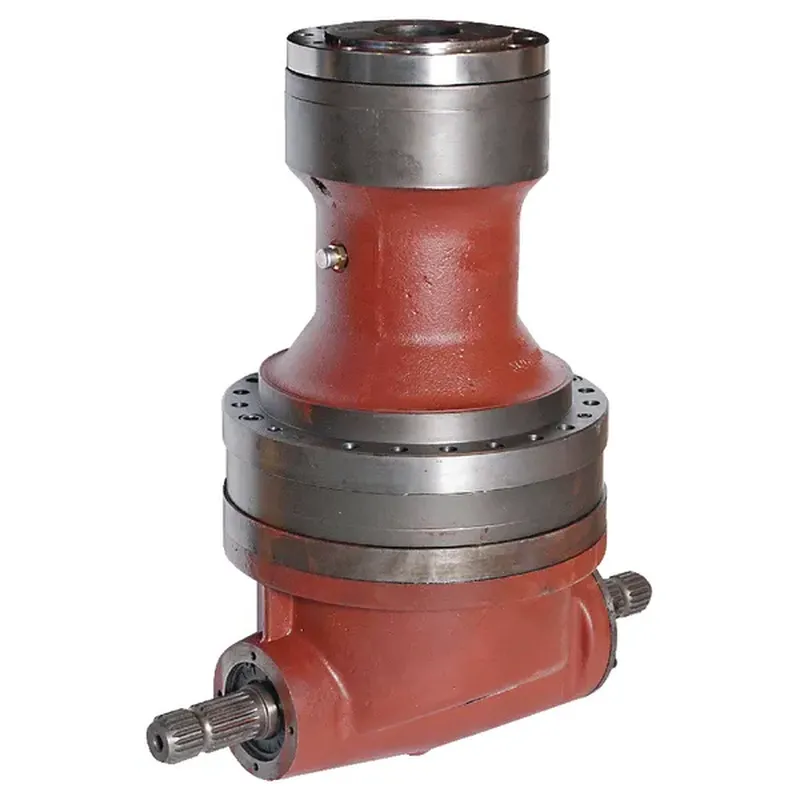
Benefits of Tractor PTO Driven Vertical Feed Mixer Gearbox
The tractor PTO driven vertical feed mixer gearbox offers several advantages that make it a valuable asset for farmers and agricultural operations. Here are key advantages of this gearbox:
- Efficient Mixing: The gearbox ensures thorough and uniform mixing of animal feed, resulting in high-quality feed for livestock.
- Increased Productivity: By automating the mixing process, farmers can save time and effort, leading to higher productivity.
- Durable Construction: The gearbox is built to withstand heavy-duty use and harsh operating conditions, ensuring long-term reliability.
- Customization Options: Manufacturers offer customizable features to meet specific application requirements, enhancing versatility.
- Cost-Effective Solution: Investing in a quality gearbox can lead to cost savings over time by reducing maintenance and downtime.
- Compatibility: The gearbox is compatible with a wide range of tractor models, making it a versatile solution for different farming setups.
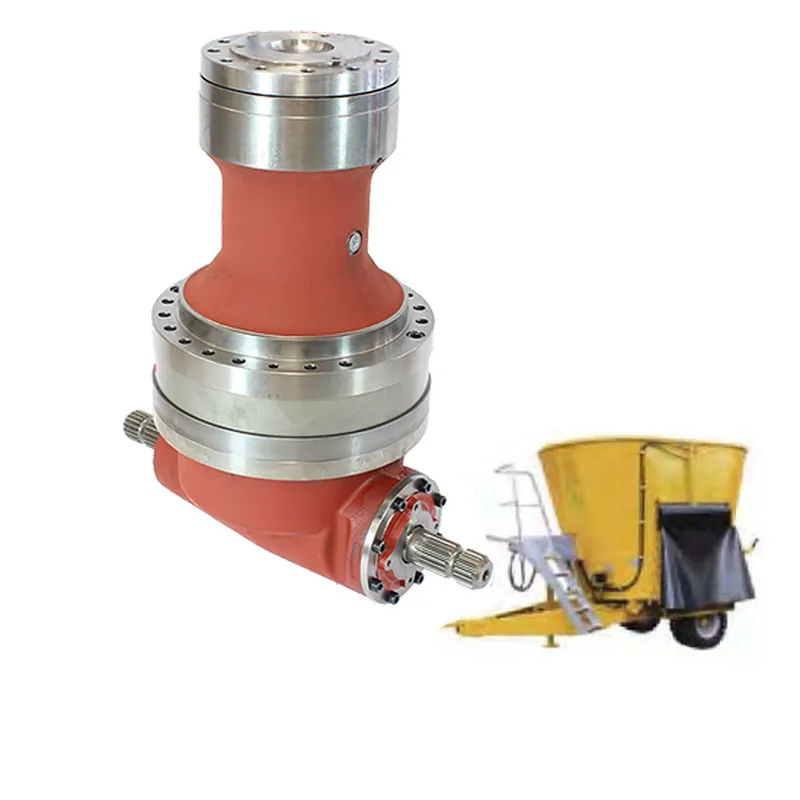
Common Applications of Tractor PTO Driven Vertical Feed Mixer Gearbox
The tractor PTO driven vertical feed mixer gearbox finds numerous applications across various agricultural settings. Here are common applications of this gearbox:
- Livestock Farms: Used for mixing feed for cattle, sheep, pigs, and other livestock.
- Dairy Operations: Essential for preparing nutritious feed for dairy cows to enhance milk production.
- Poultry Farms: Ideal for blending feed ingredients for chickens, turkeys, and other poultry species.
- Feed Milling Plants: Employed in industrial-scale feed processing facilities for bulk feed mixing.
- Agricultural Cooperatives: Utilized by cooperative farming groups for communal feed production.
- Research Institutions: Used in research settings to develop specialized animal feed formulations.

Key Components of Tractor PTO Driven Vertical Feed Mixer Gearbox
The tractor PTO driven vertical feed mixer gearbox is a critical component in agricultural machinery, essential for the efficient mixing of feed. Its key components are designed to handle the rigorous demands of farming operations, ensuring durability and reliable performance. Here’s a detailed look at the main components:
- Input Shaft: The input shaft connects directly to the tractor’s Power Take-Off (PTO). It is the primary conduit for transferring the rotational power from the tractor to the gearbox. The shaft must be robust enough to handle the power and torque generated by the tractor’s engine.
- Gears: Inside the gearbox, various gears work together to modify the tractor’s PTO speed to the optimal speed required for mixing. These gears can include spur, helical, or planetary types, each chosen for their ability to provide the necessary torque and durability. The gears are typically made from hardened steel to resist wear and withstand the stress of grinding feed materials.
- Output Shaft: The output shaft delivers the adjusted speed and torque from the gears to the mixer’s mechanism. This shaft drives the mixing augers or paddles within the feed mixer, ensuring thorough mixing of feed ingredients. It must be precisely aligned and robust to prevent misalignment or failure during operation.
- Bearings: Bearings are used throughout the gearbox to reduce friction between the moving parts, facilitating smoother operation and reducing wear. High-quality bearings are essential for the longevity of the gearbox and for maintaining efficient performance.
- Housing: The gearbox housing contains all the internal components and provides structural support. It is typically constructed from cast iron or heavy-duty steel to protect the gears, shafts, and bearings from external elements and operational stress.
- Seals: Seals in the gearbox prevent the ingress of contaminants such as dirt, dust, and moisture, which can degrade the quality of the oil and cause premature wear of the internal components. They also help retain the lubricant within the gearbox, ensuring that all moving parts remain well-lubricated.
- Lubrication System: Proper lubrication is vital for the smooth operation and longevity of the gearbox. The lubrication system usually includes an oil reservoir, pumps, and channels to distribute oil to critical areas of the gearbox. This system helps to minimize friction and heat, protecting the gears and bearings from wear.
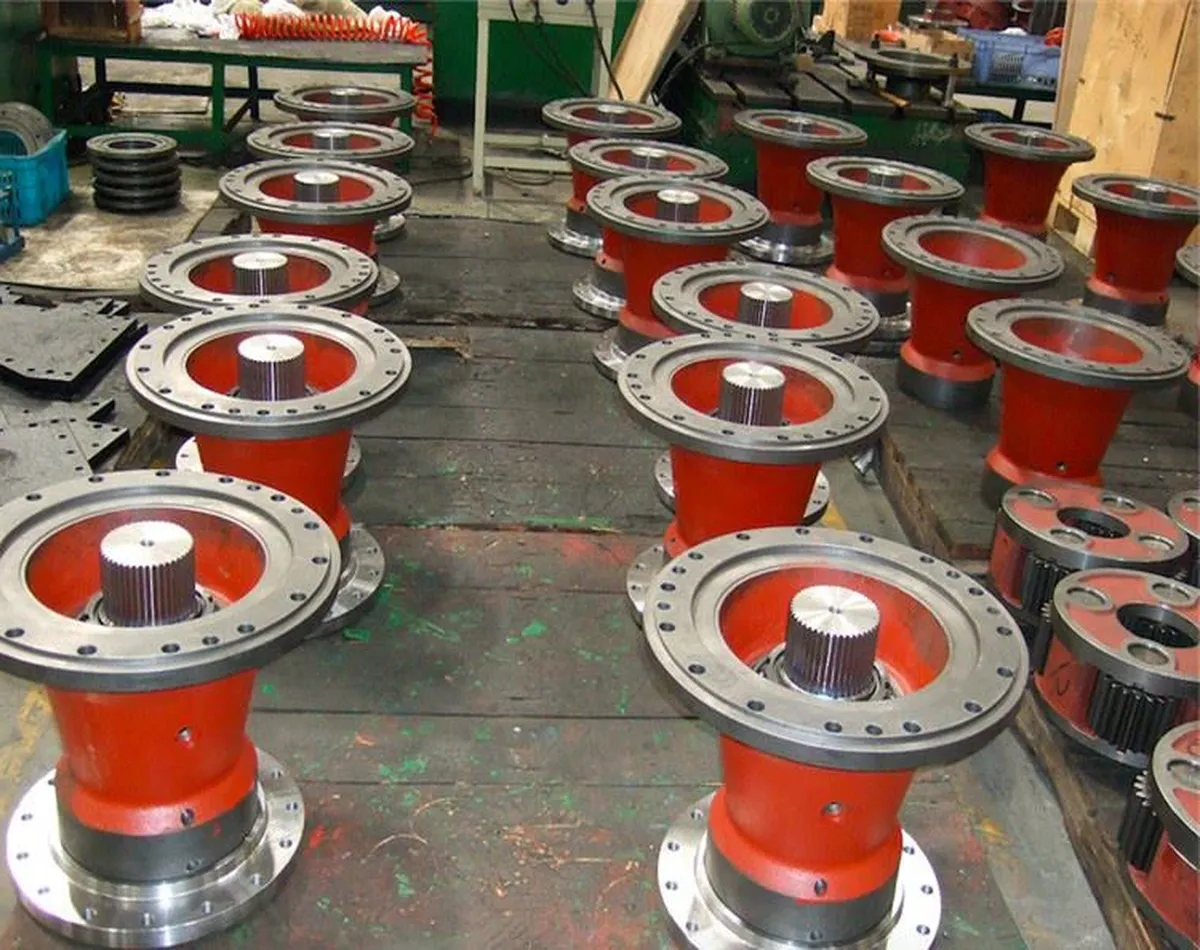
How Does the Tractor PTO Driven Vertical Feed Mixer Gearbox Work?
A PTO driven vertical feed mixer gearbox is a crucial component in agricultural machinery, used to mix feed ingredients efficiently. Here’s a detailed breakdown of how this type of gearbox works:
- Power Source: The process starts with the tractor’s engine, which serves as the power source. The tractor’s PTO shaft, typically located at the rear, transmits the engine’s power to attached implements, in this case, the vertical feed mixer.
- Transmission of Power: The PTO shaft connects directly to the gearbox of the vertical feed mixer. When the tractor’s engine is running, it drives the PTO shaft, which rotates and transmits mechanical power to the gearbox. The PTO shaft can operate at various speeds, generally ranging from 540 to 1000 rotations per minute (RPM), depending on the tractor and the required operation speed of the mixer.
- Speed Reduction and Torque Increase: Inside the gearbox, the high-speed rotation from the PTO shaft is converted into a lower speed but higher torque through a series of gears. This is necessary because mixing feed requires more torque than raw speed. The type of gears used (such as spur, helical, or planetary) can vary based on the design and requirements of the mixer.
- Output to the Mixer: The output shaft of the gearbox then carries this reduced speed and increased torque to the mixing mechanism. This mechanism could be a series of paddles, augers, or other devices designed to blend the feed materials thoroughly.
- Control Mechanisms: The gearbox may include controls to adjust the output speed and torque, allowing the operator to set the mixer according to the type and quantity of feed being processed. This adjustment can be manual or automated, depending on the complexity of the gearbox system.
- Mixing Operation: As the output shaft turns the mixing mechanism, the feed ingredients inside the mixer are combined into a uniform mixture. The effective transmission of power ensures that the mixer can handle different materials, from grains and forage to supplements and other additives, producing a consistent mix that is crucial for animal nutrition.

Maintenance and Lubrication of the PTO Driven Vertical Feed Mixer Gearbox
Maintaining and lubricating a PTO (Power Take-Off) driven vertical feed mixer gearbox is vital for ensuring it operates efficiently and has a long service life. Here are some key guidelines on how to maintain and lubricate this type of gearbox:
Maintenance:
- Regular Inspections: Perform regular inspections to check for any signs of wear or damage. Look for leaks, cracks, or any unusual noises during operation. Early detection of problems can prevent costly repairs later.
- Cleanliness: Keep the gearbox and its surrounding area clean. Dirt, dust, and debris can enter the gearbox and cause premature wear or damage. Clean the external surfaces regularly and ensure that seals and breathers are clear of obstructions.
- Check and Tighten Fasteners: Due to the vibration inherent in gearbox operations, bolts and fasteners can become loose over time. Periodically check and tighten these components to ensure the gearbox is securely assembled and functioning properly.
- Component Replacement: Replace worn or damaged parts promptly. Pay special attention to bearings, seals, and gears, which are subjected to significant wear. Using high-quality replacement parts ensures longer durability and better performance.
- Alignment and Balancing: Ensure that the gearbox is properly aligned with the PTO shaft and that the mixing mechanism is balanced. Misalignment can cause excessive wear and tear, leading to premature failure.
Lubrication:
- Select the Right Lubricant: Use the lubricant type recommended by the gearbox manual. The choice of lubricant typically depends on the gearbox’s design and the environmental conditions under which it operates.
- Regular Lubrication Schedule: Follow the manual’s schedule for lubricating the gearbox. Regular lubrication reduces friction among the moving parts, minimizes wear, and extends the lifespan of the gearbox.
- Check Oil Levels: Regularly check the oil level in the gearbox. Low oil levels can lead to increased friction and heat, causing damage. Top up the oil as necessary, making sure not to overfill, as this can lead to increased pressure and leaks.
- Change the Oil: Periodically change the oil completely to remove dirt, metal filings, and other contaminants that accumulate over time and can degrade the gearbox’s performance. The frequency of oil changes depends on the usage patterns and operating environment.
- Monitor Oil Condition: Inspect the condition of the oil for any signs of contamination or degradation. Look for changes in oil color or consistency, and check for the presence of metal particles, which can indicate internal wear.
- Use Proper Lubrication Techniques: When lubricating, ensure that all internal components are adequately covered. Use appropriate tools and methods to apply lubricant, especially in hard-to-reach areas inside the gearbox.
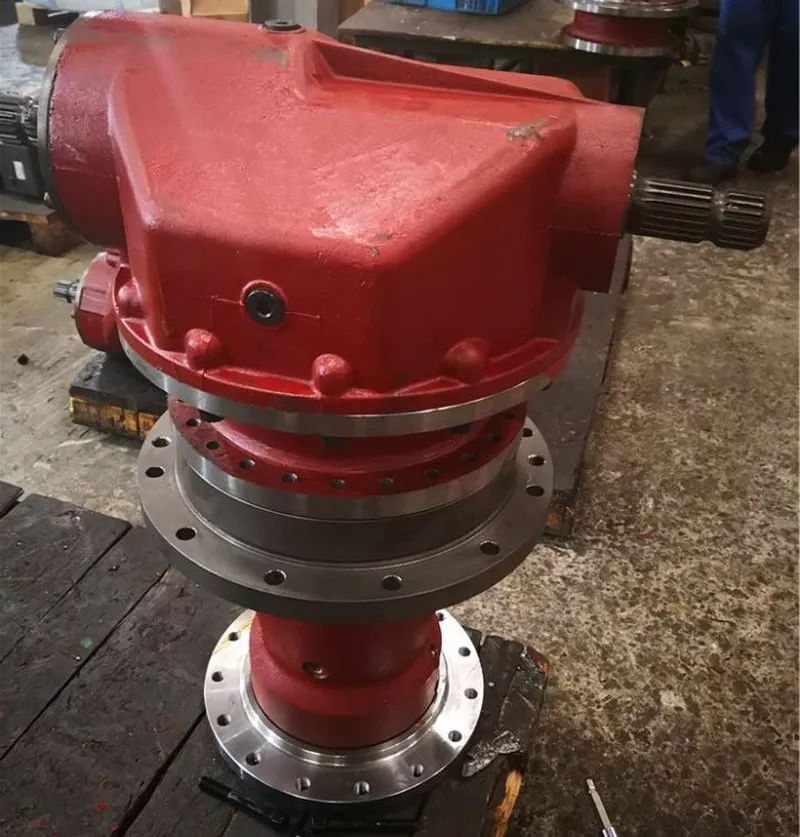
Why Choose EVER-POWER’s Vertical Feed Mixer Gearbox?
EVER-POWER is a leading manufacturer of high-performance vertical feed mixer gearboxes for various applications. Our gearboxes are designed to meet the needs of different industries, providing efficient and reliable solutions. Our vertical feed mixer gearboxes are a powerful replacement option for Comer Industries, Bondioli & Pavesi, Brevini, Kuhn, Storti, Trioliet, Jaylor, Schuler and other brands of gearboxes. Our technical staff can reconfigure an existing design or assist you in designing a custom vertical feed mixer gearbox if a standard or existing design does not fit your application. Shaft rotation, speed ratio, input speed, output speed, input torque, output torque, mounting position, and the application’s environment are all considerations when choosing a vertical feed mixer gearbox. Here are some reasons to choose EVER-POWER:
- Professionalism: We have a team of skilled professionals dedicated to delivering top-quality products.
- International Certifications: Our gearboxes meet international quality standards and certifications for excellence.
- Customized Services: We offer customization options to tailor gearboxes to specific requirements.
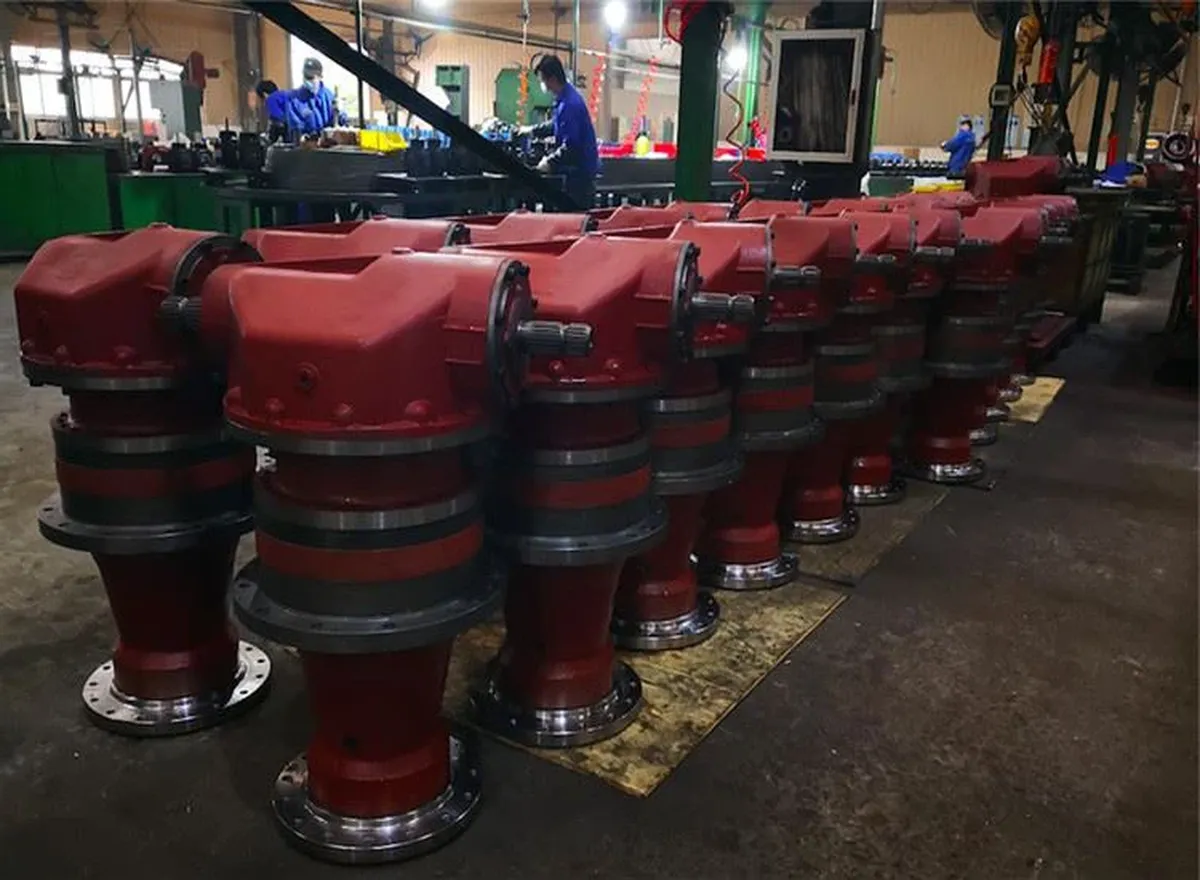
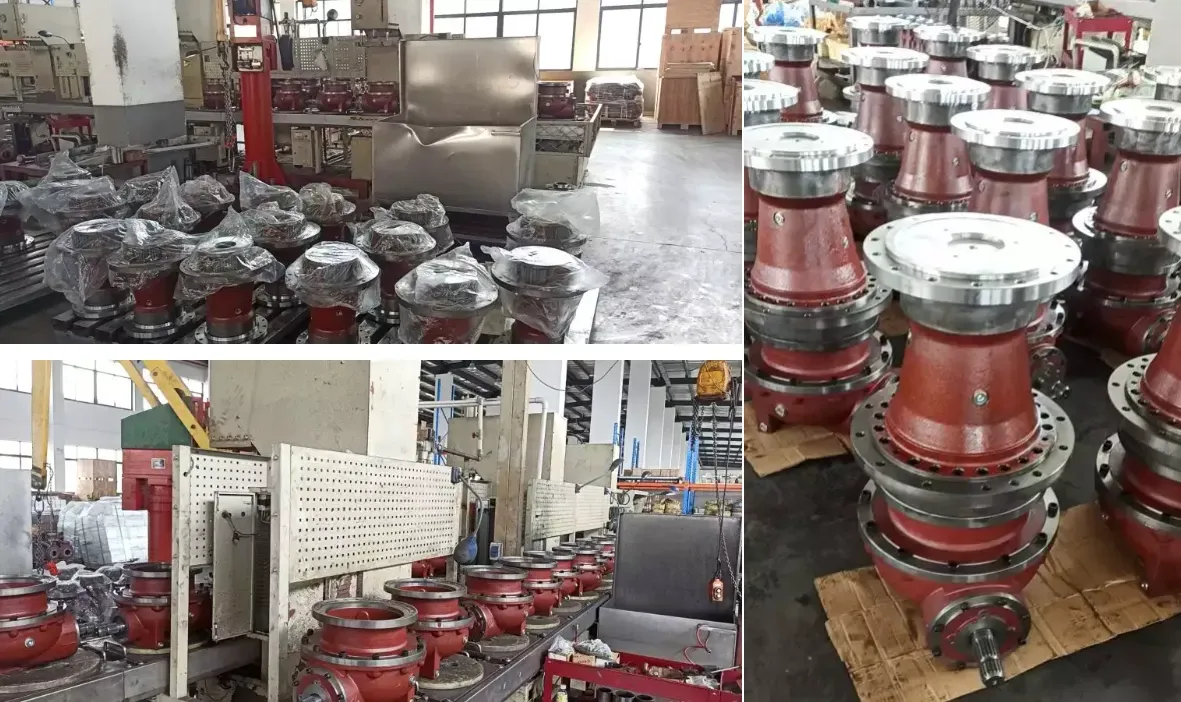
- Production Facilities: Our state-of-the-art production facilities ensure precision manufacturing and high-quality products.
- After-Sales Services: We provide comprehensive after-sales support to ensure customer satisfaction and product performance.
- Wide Range of Gearboxes: In addition to vertical feed mixer gearboxes, we offer various agricultural gearboxes for different applications.
Author: Yjx