Understanding Pull-Type Single-Acting Hydraulic Cylinders
In the realm of hydraulic systems, the pull-type single-acting hydraulic cylinder is a crucial component that plays a significant role in various industries. These cylinders operate on the principle of utilizing hydraulic pressure to generate force in one direction only. Unlike double-acting cylinders, which rely on hydraulic pressure to extend and retract the piston, single-acting cylinders rely on an external force, such as a spring or gravity, to perform the return stroke.
Components and Structure
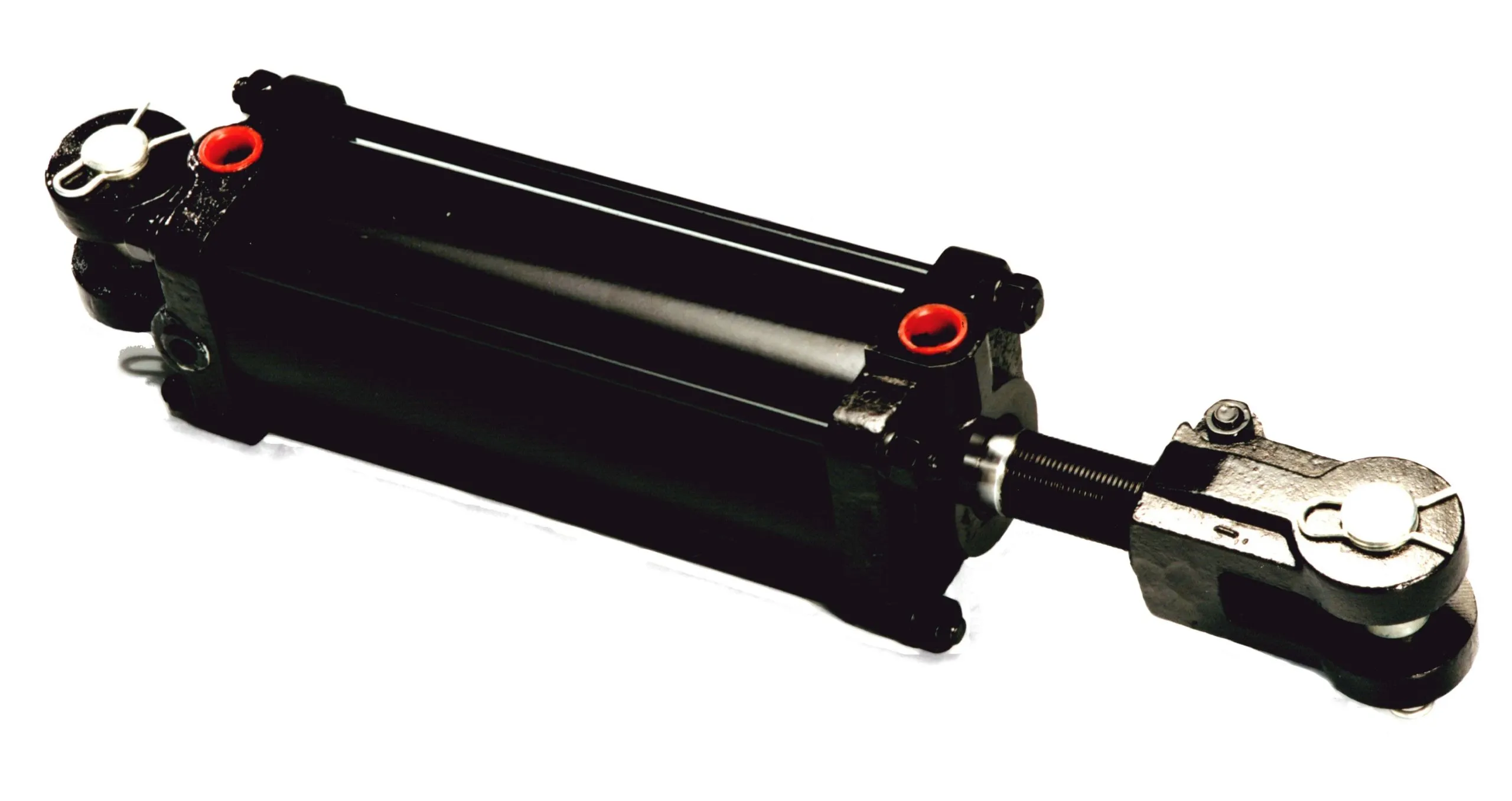
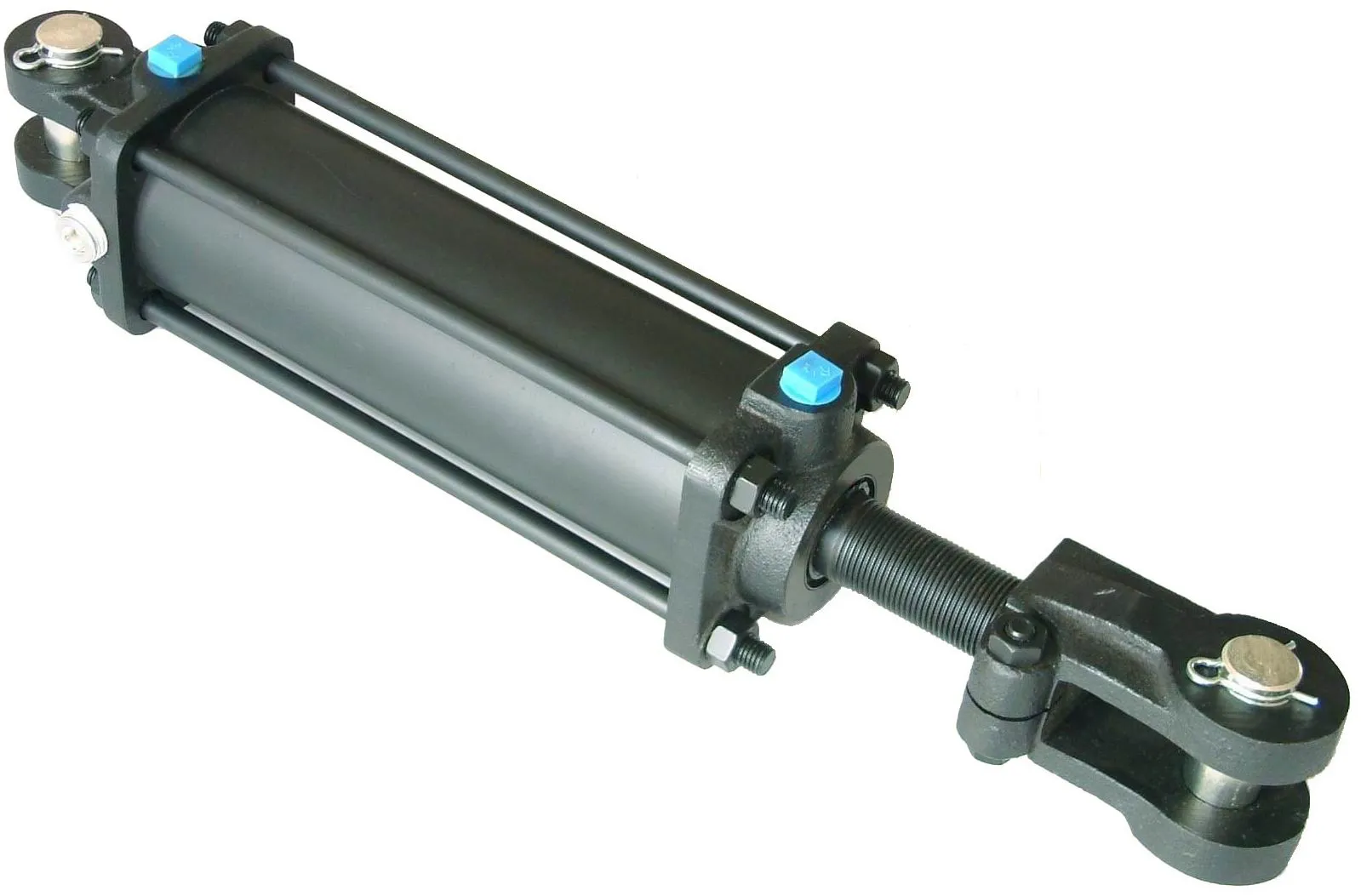
The pull-type single-acting hydraulic cylinder consists of a cylinder barrel, piston, rod, seals, and end caps. The design of these cylinders is focused on ensuring efficient force transmission and durability. The construction involves precise engineering to withstand high loads and harsh industrial environments.
Working Principle
When hydraulic fluid is pumped into the cylinder, it exerts pressure on the piston, causing it to move in a single direction. The force generated by the piston is used to perform various tasks, such as lifting heavy loads or moving machinery components. Stroke control mechanisms regulate the extent of piston movement, enabling precise control over the cylinder’s operation.
Types and Configurations
There are different types of pull-type single-acting hydraulic cylinders available, including telescopic, plunger, and differential cylinders. Each type offers unique features and benefits, catering to specific application requirements.
Advantages
- Compact design
- High load capacity
- Robust construction
- Leak resistance
- Cost-effectiveness
Applications
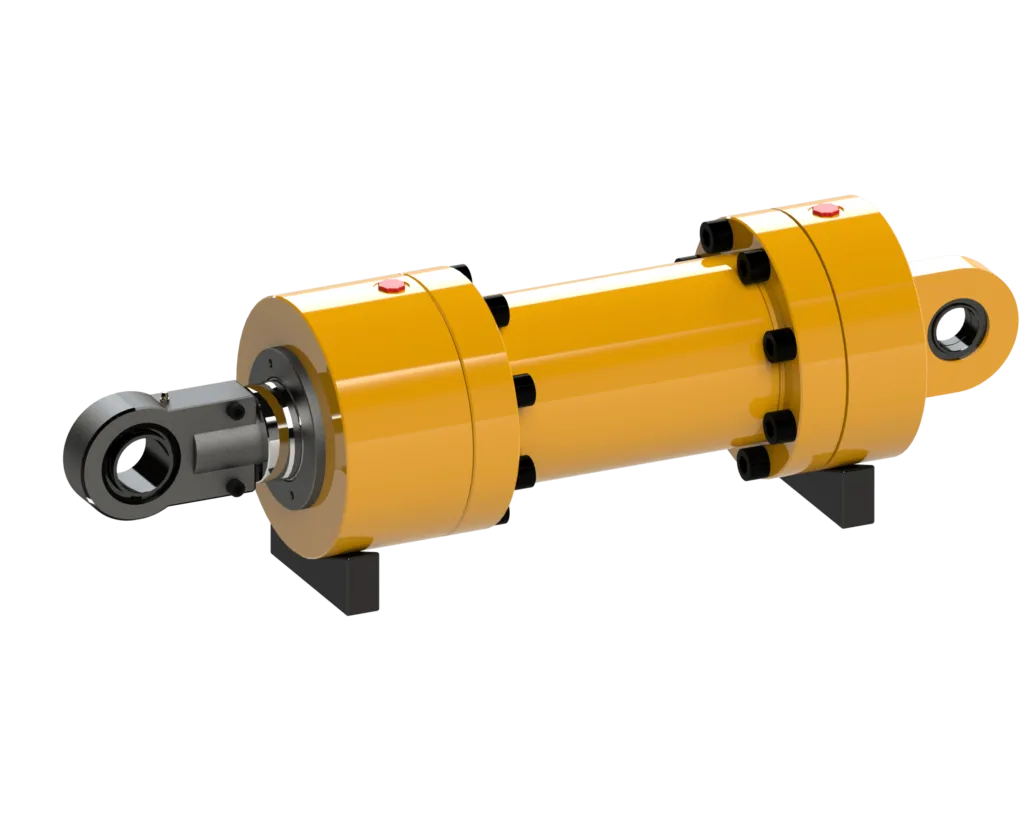
Pull-type single-acting hydraulic cylinders are widely used in construction, manufacturing, transportation, industrial, and agricultural industries. These cylinders power various machinery and equipment, such as cranes, presses, and agricultural implements.
Selection Considerations
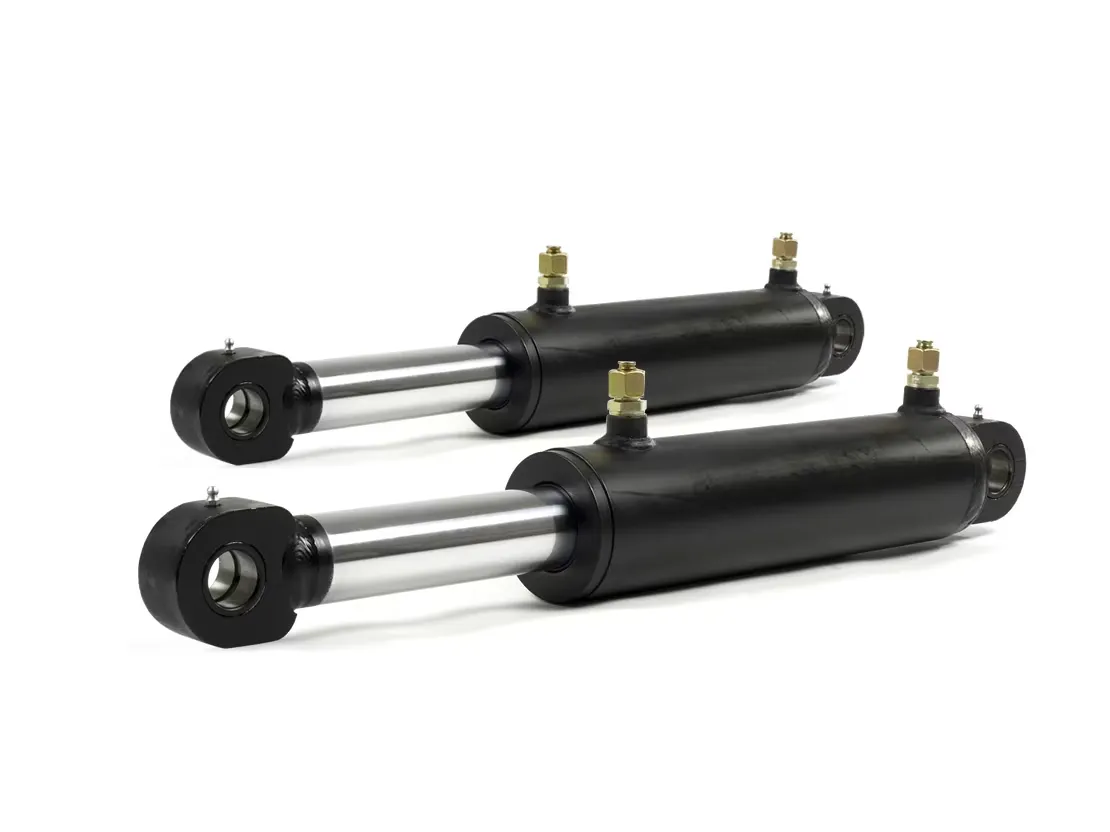
Choosing the right single-acting cylinder involves evaluating factors such as load requirements, stroke length, inner diameter, and rod diameter. Proper sizing and force calculations are essential to ensure optimal performance in specific applications.
Sealing Technology and Cylinder Structure
The seals in a single-acting cylinder play a critical role in preventing leakage and ensuring efficient operation. Different sealing materials are used based on compatibility with hydraulic fluids, while the cylinder’s structural materials undergo coatings and surface treatments for enhanced durability.
Speed Control and Buffers
Controlling cylinder speed and movement is essential for safe and efficient operation. Adjustable buffering options help prevent shock and vibration, improving overall performance and extending cylinder lifespan.
Maintenance and Safety
Regular inspection and preventive maintenance are key to ensuring the longevity and reliability of pull-type single-acting hydraulic cylinders. Safety measures must be observed during operation to prevent accidents and minimize risks.
Common Problems and Troubleshooting
Issues such as seal wear, fluid contamination, and piston misalignment can affect cylinder performance. Troubleshooting tips and preventive measures can help diagnose and resolve problems, reducing downtime and maintenance costs.
Company Overview
As a leading hydraulic cylinder replacement manufacturer, we offer a comprehensive product line tailored to meet industry standards. With a focus on quality, customization, and international certification, our company has established a strong presence in the domestic and global markets. We pride ourselves on providing top-notch production equipment, professional services, and reliable after-sales support to meet the diverse needs of our customers.
Author: lyl