Optimizing Wind Energy: The Critical Role of Industrial Couplings in Wind Turbines
Wind energy stands at the forefront of renewable energy solutions, offering a green alternative to fossil fuels. At the heart of this technology lies an often-overlooked component – the industrial coupling. This article delves into the pivotal role of industrial couplings in wind turbines, offering insights into their types, selection, maintenance, and applications. We will also highlight HZPT’s contributions to this vital industry, showcasing our expertise and commitment to quality and innovation.
Understanding the Importance of Industrial Couplings in Wind Turbines
Industrial couplings play a crucial role in the operational efficiency and longevity of wind turbines. They are mechanical components designed to connect two shafts together while compensating for misalignment, absorbing shocks, and accommodating thermal expansions. This not only ensures the smooth transmission of power from the wind turbine’s rotor to the generator but also minimizes wear and tear on other components, thereby enhancing the turbine’s overall reliability and performance.
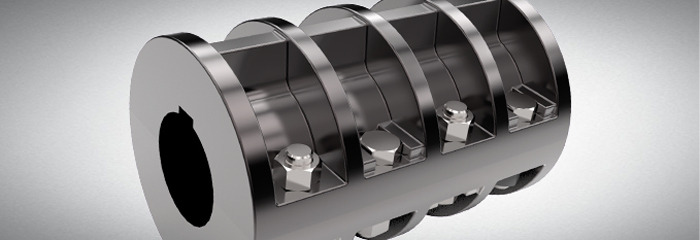
For wind turbines, the choice of coupling is critical due to the unique challenges posed by the application. These include variable rotational speeds, high torque, and the need for minimal maintenance given the often remote and inaccessible locations of wind farms. Moreover, the coupling must withstand environmental factors such as temperature fluctuations, humidity, and salinity, especially in offshore installations.
Type of Industrial Coupling
Several types of industrial couplings are suited for wind turbine applications, each with its own set of characteristics and advantages. These include:
– Gear Couplings: Known for their high torque density and durability, gear couplings are a common choice for wind turbines. They accommodate angular, parallel, and axial misalignments.
– Disc Couplings: With no moving parts, disc couplings offer high reliability and low maintenance. They are suitable for applications requiring precise alignment and are resistant to environmental factors.
– Elastomeric Couplings: These couplings use rubber or polymer elements to absorb shocks and misalignments. They are ideal for reducing vibration and noise in wind turbines.
– Grid Couplings: Featuring a flexible grid that connects the coupling hubs, grid couplings provide an economical solution for moderate torque and misalignment applications.
Choosing the Right Industrial Coupling
Selecting the appropriate industrial coupling for a wind turbine involves considering several factors:
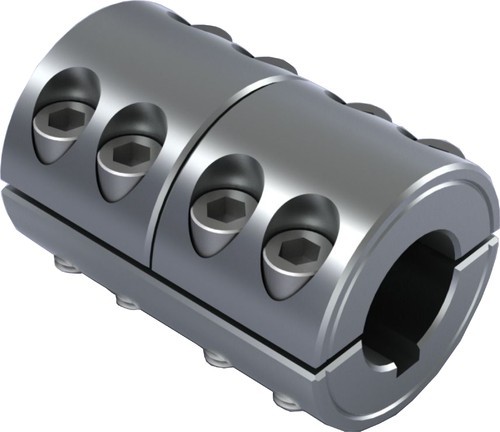
– Torque Requirements: The coupling must withstand the maximum torque generated by the turbine.
– Misalignment Tolerance: Given the structural flexing of wind turbines, the chosen coupling should accommodate expected misalignments.
– Environmental Conditions: Couplings must be made of materials that can withstand the specific environmental conditions of the installation site.
– Maintenance Needs: Ideally, the coupling should require minimal maintenance, considering the accessibility challenges of wind turbines.
Maintaining Industrial Couplings
Regular maintenance is key to ensuring the longevity and efficiency of industrial couplings in wind turbines. This includes:
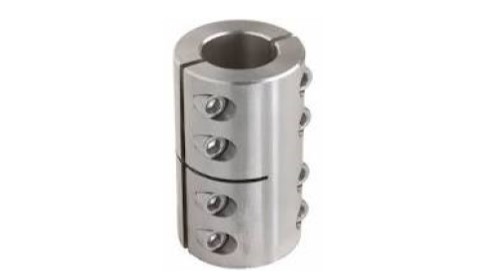
– Inspection: Regular visual inspections can help identify wear and tear, corrosion, or misalignment issues early.
– Lubrication: For couplings that require it, proper lubrication is essential to prevent friction and wear.
– Alignment Checks: Periodic checks can ensure that couplings remain properly aligned, reducing the risk of premature failure.
Applications of Industrial Couplings in Wind Turbines
Industrial couplings find application in various parts of a wind turbine, including:
– Rotor to Gearbox: Transmitting power while accommodating misalignments.
– Gearbox to Generator: Ensuring efficient power transfer from the gearbox to the generator.
Introducing HZPT: Your Partner in Wind Energy Solutions
At HZPT, we are proud to support the wind energy sector with our advanced industrial couplings. With over [insert years of experience], we have refined our production and inspection processes to meet the stringent demands of this industry. Our annual output includes 15,000 tons of castings, 1.5 million tapered fastening bushings, and 300,000 coupling parts, amounting to an annual output value of 200 million.
Why Choose HZPT?
– Quality and Innovation: Our products are the result of advanced technology and a rigorous quality control system.
– Customized Solutions: We understand that each wind turbine project is unique. That’s why we offer customized coupling solutions to meet your specific needs.
– International Certifications: Our commitment to quality is backed by international certifications, assuring you of our products’ reliability and performance.
– After-Sales Service: We stand by our products with comprehensive after-sales support, ensuring your satisfaction and peace of mind.
“Empowering Renewable Energy, One Coupling at a Time – Discover the HZPT Difference.”
For a more comprehensive understanding of our capabilities and how we can contribute to your wind turbine projects, please watch our video:
—
This outline serves as a foundation for a detailed article on industrial couplings for wind turbines, emphasizing HZPT’s role in this sector. To fully meet the 2000-word requirement, each section should be expanded with more technical details, case studies, or industry insights.