Understanding Single-Acting Hydraulic Cylinders
In the realm of industrial machinery and equipment, the term “single-acting hydraulic cylinder” holds significant importance. These devices serve as vital components in various applications, providing linear force and motion through hydraulic fluid pressure. Let’s delve deeper into the functionality and advantages of single-acting cylinders.
Principles of Single-Acting Cylinders
Single-acting hydraulic cylinders operate on the principle of utilizing fluid pressure to extend the piston in one direction, while relying on an external force such as gravity or a spring to retract the piston. This design ensures simplicity and efficiency in linear motion applications.
- Difference from Double-Acting Cylinders: Single-acting cylinders exert force in one direction only, whereas double-acting cylinders can extend and retract using hydraulic pressure.
- Drive Systems: Single-acting cylinders are commonly used in applications where unidirectional force is required, offering a cost-effective solution compared to complex drive systems.
Components and Structure of Single-Acting Cylinders
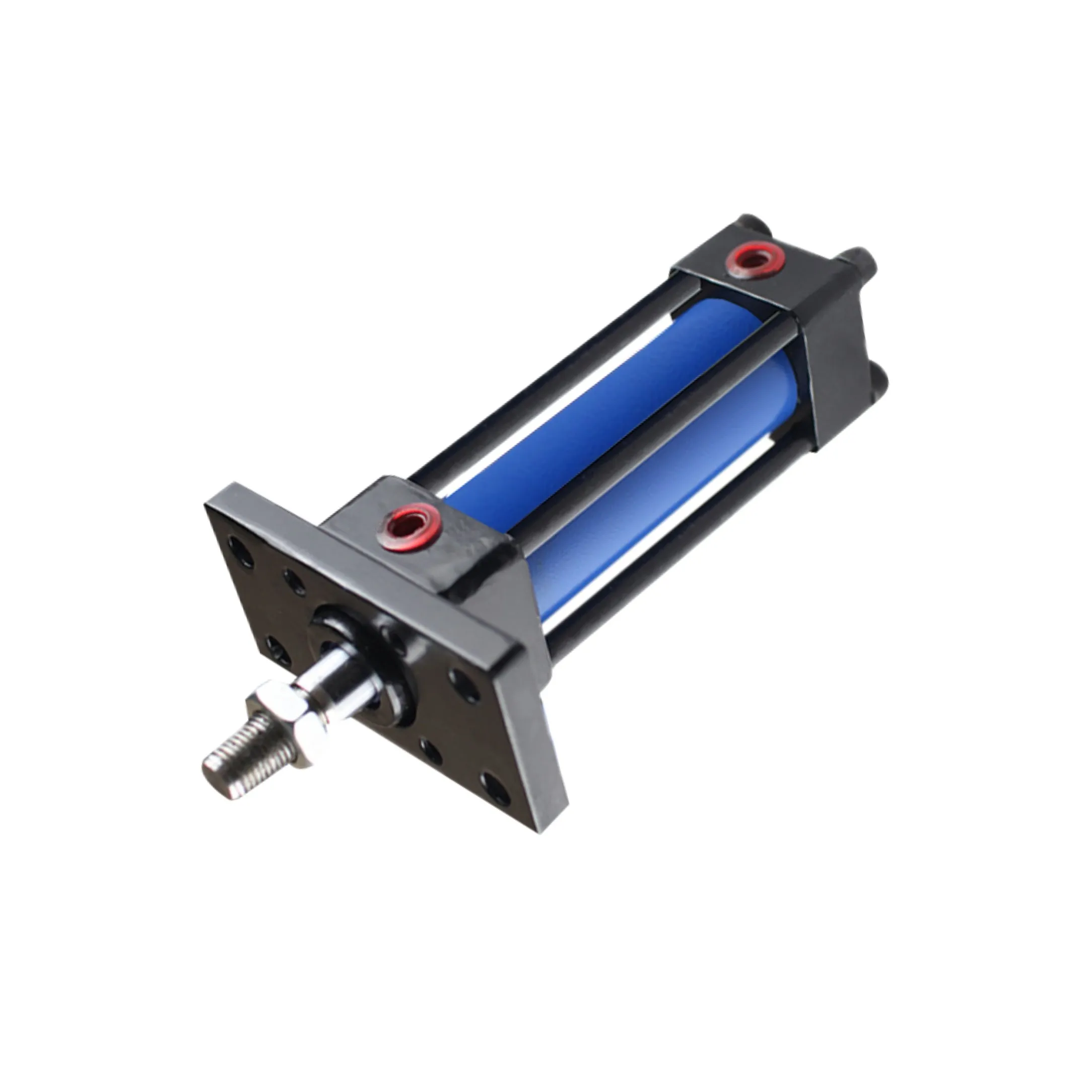
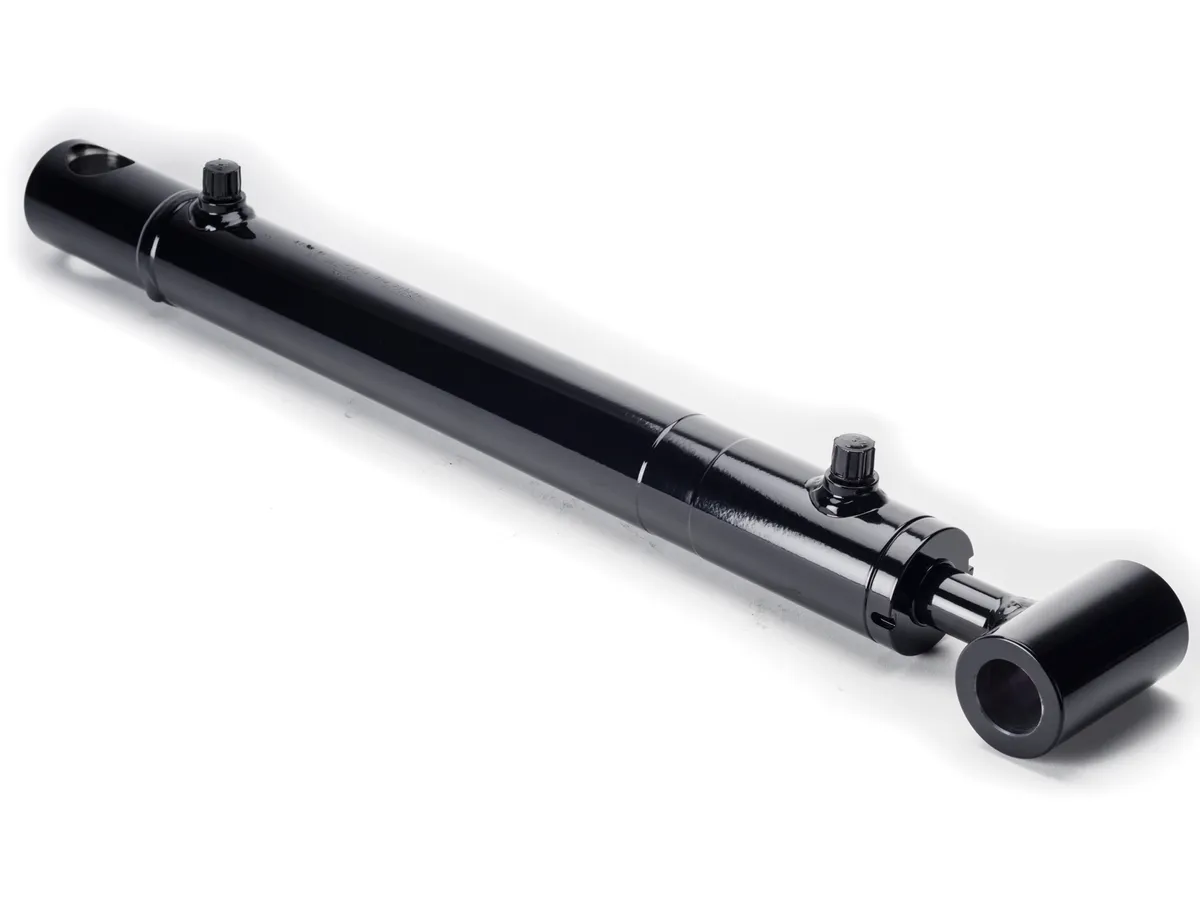
The construction of a single-acting hydraulic cylinder consists of essential components such as a piston, cylinder barrel, and hydraulic fluid reservoir. These components work together to generate linear force and movement in industrial machinery.
Working Principle and Functionality
Single-acting cylinders function by converting hydraulic pressure into mechanical force, resulting in controlled linear motion. The stroke control mechanism regulates the extension and retraction of the piston, ensuring precise operation in diverse industrial applications.
Types and Configurations
Various types of single-acting hydraulic cylinders are available, including telescopic, plunger, and differential cylinders. Each type offers unique features and benefits tailored to specific industrial requirements.
Advantages of Single-Acting Cylinders
- Compact Design: Single-acting cylinders are space-efficient, making them ideal for applications with limited installation space.
- High Load Capacity: These cylinders can withstand heavy loads, ensuring reliable performance in demanding industrial environments.
- Robust Construction: The durable design of single-acting cylinders enhances longevity and operational efficiency.
- Leak Resistance: Sealing technology in single-acting cylinders prevents fluid leakage, maintaining system integrity.
- Cost-Effectiveness: Single-acting cylinders offer cost-efficient solutions for linear motion applications, optimizing operational expenses.
Applications in Various Industries
Single-acting hydraulic cylinders find extensive use in industries such as construction, manufacturing, transportation, and more. These cylinders play a crucial role in machinery and equipment, providing reliable linear force for diverse applications.
Considerations for Selection and Maintenance
When selecting a single-acting cylinder, factors such as cylinder size, force calculations, stroke length, and sealing technology must be carefully considered. Regular inspection and preventive maintenance measures are essential to ensure optimal performance and longevity.
Safety and Environmental Considerations
Ensuring safety measures and adhering to environmental regulations are paramount when using single-acting hydraulic cylinders. Proper maintenance and monitoring of hydraulic systems help minimize risks and environmental impact.
Fault Diagnosis and Troubleshooting
Common problems in single-acting cylinders may include seal leaks, insufficient force generation, or erratic movement. By implementing effective troubleshooting techniques, operators can diagnose issues and implement solutions to restore cylinder functionality.
FAQs About Single-Acting Cylinders
1. The primary function of single-acting hydraulic cylinders is to provide linear force in a unidirectional manner, driven by hydraulic pressure.
2. Single-acting cylinders generate linear force by converting hydraulic pressure into mechanical energy, extending the piston in a controlled manner.
3. Common applications of single-acting cylinders include lifting equipment, agricultural machinery, and material handling systems.
4. Advantages of single-acting cylinders over double-acting ones include cost-effectiveness, simplicity in design, and suitability for specific applications.
5. Extension and retraction movements of a single-acting hydraulic cylinder are controlled by regulating hydraulic fluid flow and pressure.
Long-Tail Keywords for Single-Acting Cylinders
1. “Telescopic Single-Acting Hydraulic Cylinder”: A specialized cylinder design for applications requiring variable stroke lengths and compact size.
2. “Plunger Single-Acting Hydraulic Cylinder”: Ideal for high-force applications where precise linear motion is essential.
3. “Differential Single-Acting Hydraulic Cylinder”: Offers differential force output for tailored performance in specific industrial tasks.
Company Spotlight
Our company specializes in hydraulic cylinder replacements, offering a comprehensive product line to meet diverse industrial needs. With international certifications, custom services, advanced production equipment, and dedicated after-sales support, we have established ourselves as a leading manufacturer and distributor in the global market.