Hypoid Gear Tooth Surface Modification for Noise Reduction
Introduction
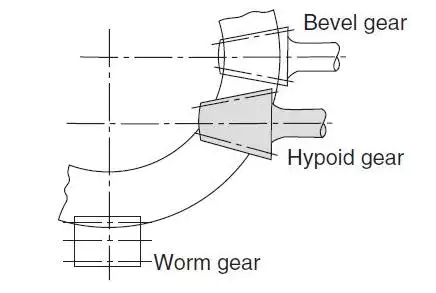
Hypoid gears are an essential component in various mechanical systems, providing the necessary torque transfer between non-intersecting shafts. However, the noise generated during gear operation can be a significant concern in many applications. In this article, we will explore the surface modification techniques employed for noise reduction in hypoid gear teeth.
1. Gear Tooth Profile Optimization
The first step in reducing gear noise is optimizing the tooth profile. By carefully designing the tooth geometry, manufacturers can minimize the meshing impact and improve gear mesh stiffness. This optimization involves complex mathematical modeling and simulation techniques to achieve the desired performance characteristics.
2. Surface Texture Modification
Surface texture plays a crucial role in noise generation. By modifying the tooth surface texture, we can influence the contact behavior between the gear teeth, reducing friction and noise. Advanced surface treatment methods, such as shot peening and surface laser texturing, are utilized to create specific microstructural patterns on the gear tooth surfaces, improving lubrication and reducing noise.
3. Lubrication Enhancement
Efficient lubrication is vital for noise reduction in hypoid gears. Proper lubrication not only reduces friction but also dampens the vibrations generated during gear operation. Innovative lubrication techniques, such as using high-performance synthetic lubricants and incorporating additives for noise reduction, are employed to enhance the overall gear performance and minimize noise levels.
4. Material Selection
The choice of materials used in gear manufacturing significantly impacts the noise characteristics of hypoid gears. By selecting materials with desirable damping properties, manufacturers can effectively reduce gear noise. Advanced materials, such as carbon composites and polymer-based gear materials, are gaining popularity due to their excellent noise reduction capabilities.
5. Gear Microgeometry Optimization
Microgeometry optimization involves fine-tuning the gear tooth surface to achieve the desired performance characteristics. Techniques like lead crowning, flank modification, and tooth root profile optimization are employed to minimize noise by optimizing tooth contact and reducing vibrations.
6. Influence of Tooth Surface Hardness
Tooth surface hardness significantly affects noise generation in hypoid gears. By carefully controlling the hardness characteristics of the gear tooth surface, manufacturers can reduce noise levels. Techniques such as carburizing, nitriding, and induction hardening are employed to enhance the surface hardness and minimize noise.
7. Dynamic Analysis and Testing
Dynamic analysis and testing are crucial steps in noise reduction for hypoid gears. By subjecting the gears to rigorous testing and analysis, manufacturers can identify potential noise sources and make necessary modifications. Advanced techniques like vibration analysis, noise mapping, and load testing are performed to validate the effectiveness of the noise reduction measures.
Conclusion
In conclusion, the modification of hypoid gear tooth surfaces plays a vital role in reducing noise levels and improving overall gear performance. Through optimization of gear tooth profiles, surface texture modification, lubrication enhancement, material selection, microgeometry optimization, control of tooth surface hardness, and rigorous dynamic analysis, manufacturers can achieve significant noise reduction in hypoid gears. These advancements contribute to quieter and more efficient mechanical systems.
About Our Gear Manufacturing Factory
Our factory specializes in the production of high-quality gears for various industries. With years of experience and advanced manufacturing capabilities, we are committed to delivering reliable and innovative gear solutions to our customers.
Our Gear Manufacturing Process and Techniques:
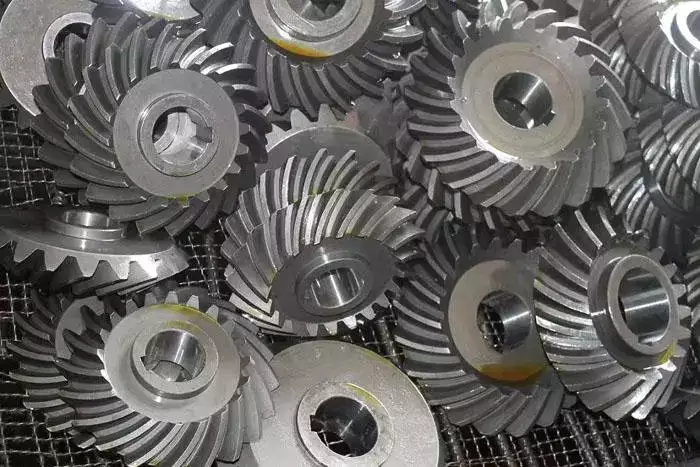
- Raw Material Preparation: We begin by preparing the raw materials through forging and heat treatment processes to ensure optimal strength and durability.
- Rough Machining: The rough machining phase involves operations such as turning, drilling, and boring to shape the gears to their initial form.
- Forming Process: In this step, we employ gear rolling, hobbing, and shaving techniques to achieve the desired tooth profile and accuracy.
- Semi-Precision Machining: The semi-precision machining stage involves processes like chamfering, keyway cutting, and deburring to ensure smooth edges and eliminate any imperfections.
- Heat Treatment: We subject the gears to processes like carburizing, nitriding, or quenching and tempering to enhance their hardness and overall mechanical properties.
- Precision Machining: In the precision machining phase, we utilize gear grinding and honing techniques to achieve the required gear tooth surface finish and accuracy.
- Inspection and Quality Control: Each gear undergoes rigorous inspection and testing, including gear testing and surface treatment evaluation, to ensure compliance with stringent quality standards.
By following these comprehensive manufacturing processes and employing advanced gear production techniques, we guarantee precision, durability, and superior performance in our gears. Our commitment to quality and customer satisfaction has earned us a strong reputation in the industry.
Advantages of Choosing Our Gear Manufacturing Services:
- High-quality gears that meet or exceed industry standards.
- Advanced manufacturing capabilities and state-of-the-art equipment.
- Customization options to meet specific customer requirements.
- Strict adherence to quality control measures and rigorous testing.
- Competitive pricing and on-time delivery.
- Experienced and knowledgeable team of engineers and technicians.
- Excellent customer service and support throughout the production process.
Partner with us for all your gear manufacturing needs, and experience the difference of working with a trusted and reliable gear supplier.
Author: Miya