Hypoid Gear Tooth Contact Pattern Analysis
Introduction
In the field of mechanical engineering, the analysis of hypoid gear tooth contact patterns plays a crucial role in ensuring smooth and efficient gear operation. This article aims to delve into the intricacies of hypoid gear tooth contact pattern analysis and explore its significance in gear design and manufacturing.
Understanding Hypoid Gears
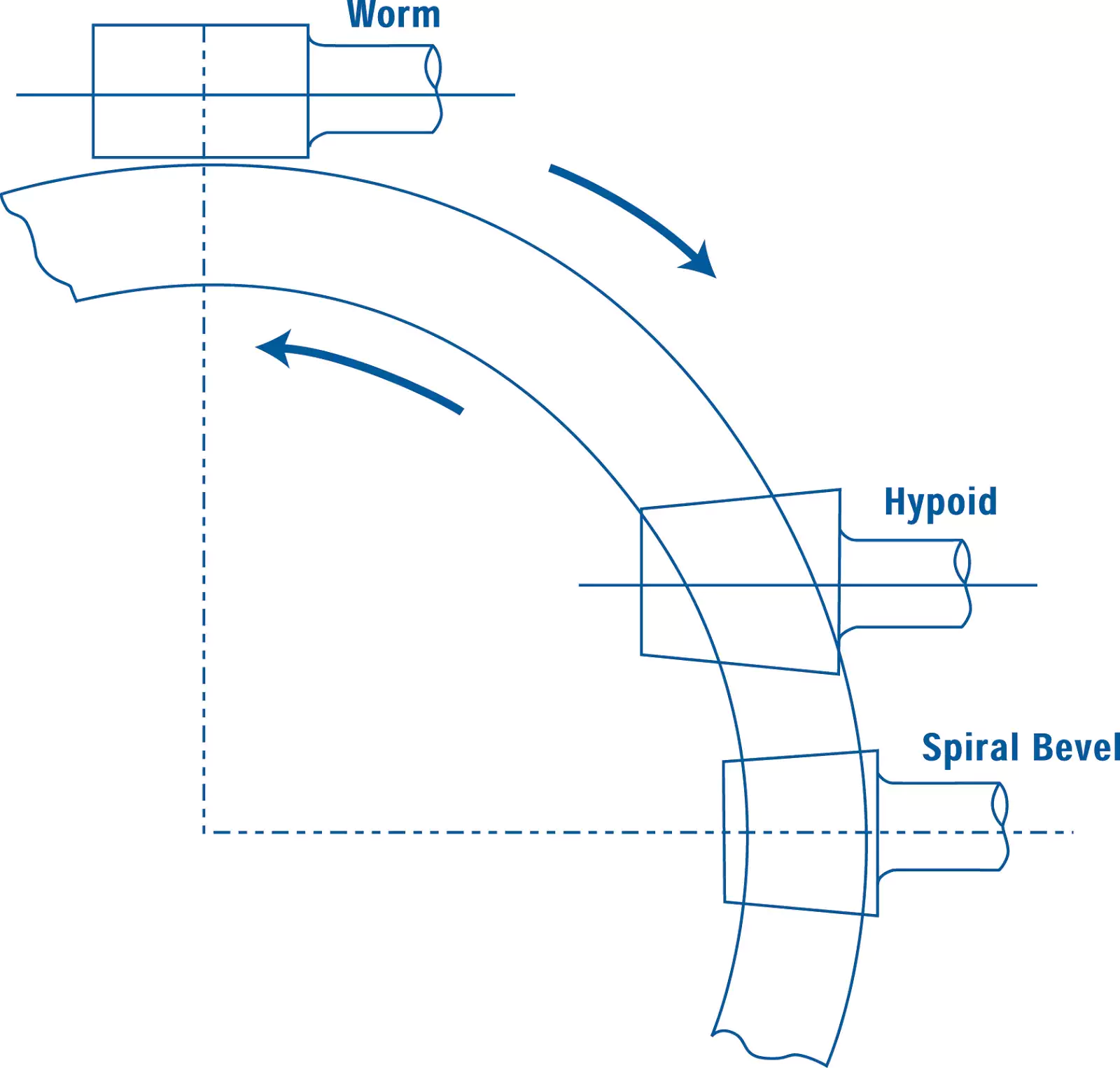
Before delving into the analysis of hypoid gear tooth contact patterns, it is essential to understand the fundamentals of hypoid gears. Hypoid gears are a type of spiral bevel gears with non-intersecting axes. They are widely used in various industries, such as automotive, aerospace, and industrial machinery, due to their ability to transmit high torque efficiently and silently.
Analyzing Hypoid Gear Tooth Contact Patterns
1. Geometric Parameters and Tooth Profiles
The analysis of hypoid gear tooth contact patterns begins with the study of geometric parameters and tooth profiles. The geometric parameters, such as gear ratio, tooth profile angle, and offset distance, determine the overall tooth contact pattern. Understanding the tooth profiles and their interaction is crucial in optimizing gear performance.
2. Load Distribution and Contact Stress
Another crucial aspect of hypoid gear tooth contact pattern analysis is the evaluation of load distribution and contact stress. The contact stress between gear teeth affects the gear’s durability and efficiency. By analyzing the load distribution and contact stress, engineers can identify potential areas of high stress and make necessary design modifications.
3. Lubrication and Surface Roughness
The quality of lubrication and surface roughness greatly influences the tooth contact pattern of hypoid gears. Proper lubrication ensures smooth gear operation and minimizes frictional losses. Additionally, the surface roughness of gear teeth directly affects the contact pattern. Analyzing these factors helps in optimizing gear performance and reducing noise and vibration.
4. Noise and Vibration Analysis
Hypoid gears are known for their quiet operation, but noise and vibration can still occur due to various factors. Analyzing the tooth contact pattern helps in identifying the root causes of noise and vibration and developing strategies to mitigate them. By optimizing the tooth contact pattern, engineers can achieve quieter gear operation.
5. Manufacturing and Inspection Tolerances
The final step in hypoid gear tooth contact pattern analysis involves considering manufacturing and inspection tolerances. Variations in tooth geometry and alignment during the manufacturing process can impact the final tooth contact pattern. Analyzing these tolerances helps in ensuring consistent and accurate gear performance.
Conclusion
In conclusion, hypoid gear tooth contact pattern analysis is a critical process in gear design and manufacturing. By thoroughly understanding and optimizing the tooth contact pattern, engineers can achieve efficient power transmission, reduced noise and vibration, and enhanced gear durability. This analysis plays a vital role in enhancing the performance and reliability of hypoid gears in various industries.
Author: Miya
About Our Gear Manufacturing Factory
Our factory is a leading manufacturer specializing in the production of high-quality gears. With years of experience and advanced technology, we are dedicated to providing our customers with reliable and precision-engineered gears for various applications.

Our Manufacturing Process and Techniques
1. Raw Material Preparation: We begin our manufacturing process by carefully selecting and preparing the raw materials, including forging and heat treatment to ensure optimal material properties.
2. Rough Machining: The rough machining process involves turning, drilling, and boring to shape the gears into their initial form.
3. Forming Process: The gears then undergo various forming processes, including gear rolling, gear hobbing, and gear shaving, to create the precise tooth profiles.
4. Semi-Finishing: In this stage, the gears undergo processes like chamfering, keyway cutting, and deburring to ensure smooth edges and remove any imperfections.
5. Heat Treatment: The gears are subjected to heat treatment processes such as carburizing, nitriding, or quenching and tempering to enhance their hardness and strength.
6. Finishing: The final stage involves precision grinding and honing to achieve the desired gear tooth surface finish and dimensional accuracy.
7. Inspection and Acceptance: We perform rigorous gear testing and inspection, including gear measurement and surface treatment evaluation, to ensure that only high-quality gears reach our customers.
Our Advantages
- Advanced Manufacturing Technology: We utilize state-of-the-art machinery and equipment to ensure precise and efficient gear manufacturing.
- Experienced Team: Our team of skilled engineers and technicians have extensive knowledge and expertise in gear manufacturing.
- Strict Quality Control: We adhere to stringent quality control measures throughout the manufacturing process to ensure consistent and reliable gear performance.
- Customization Options: We offer customized gear solutions to meet our customers’ specific requirements and applications.
- Timely Delivery: We prioritize timely delivery to ensure our customers’ projects stay on schedule.
- Competitive Pricing: We strive to offer competitive pricing without compromising on the quality of our gears.
With our commitment to excellence and customer satisfaction, we look forward to partnering with you for all your gear needs.
Author: Miya