Hypoid Gear Performance Comparison with Worm Gear Systems
Introduction
In this blog article, we will delve into the performance comparison between Hypoid Gear Systems and Worm Gear Systems. Both types of gear systems have their unique characteristics and applications. Understanding the differences and benefits of each system is crucial for making informed decisions in various industries. In this comprehensive guide, we will explore the intricacies of these gear systems and shed light on their performance capabilities.
Hypoid Gear Systems
1. Definition and Construction
Hypoid gear systems are a type of gear arrangement that combines the features of spiral and bevel gears. They are designed with a hypoid offset, which refers to the distance between the axes of the pinion and gear. This offset configuration allows for increased torque transmission efficiency and compact design. Hypoid gears are typically used in applications where high torque and durability are required, such as automotive differentials and heavy machinery.
2. Advantages of Hypoid Gear Systems
– Increased torque capacity compared to traditional bevel gears
– Improved efficiency due to the hypoid offset design
– Reduced noise and vibration levels
– Compact size and lightweight construction
– Suitable for high-speed and heavy-duty applications
3. Disadvantages of Hypoid Gear Systems
– Higher manufacturing complexity and cost
– Limited availability of suitable lubricants for certain applications
– Requires precise alignment for optimal performance
Worm Gear Systems
1. Definition and Construction
Worm gear systems consist of a worm or screw-like gear and a mating worm wheel. The worm gear’s spiraling teeth engage with the teeth of the worm wheel, facilitating smooth and precise motion transfer. Worm gear systems are widely used in applications that require high gear ratios and self-locking capabilities, such as conveyor systems and lifting mechanisms.
2. Advantages of Worm Gear Systems
– High gear reduction ratios
– Self-locking properties prevent back-driving
– Compact design with a large contact area for enhanced load-bearing capacity
– Smooth and quiet operation
– High shock load resistance
3. Disadvantages of Worm Gear Systems
– Lower efficiency compared to other gear systems
– Limited speed capabilities due to sliding friction
– Increased heat generation and wear
– Higher backlash and less precise positioning
Performance Comparison
1. Efficiency
Hypoid gear systems generally offer higher efficiency compared to worm gear systems due to their optimized tooth geometry and reduced friction.
2. Torque Capacity
Hypoid gear systems excel in torque transmission, allowing them to handle heavy loads and high torque applications with ease. Worm gear systems have lower torque-carrying capabilities.
3. Speed
Worm gear systems are more suitable for low-speed applications, while hypoid gear systems can be designed to accommodate higher rotational speeds.
4. Noise and Vibration
Hypoid gear systems have better noise and vibration characteristics compared to worm gear systems, making them ideal for applications that require smooth and quiet operation.
5. Size and Weight
Hypoid gear systems offer a compact and lightweight design, allowing for space-saving installations. Worm gear systems tend to be bulkier and heavier.
6. Application Suitability
Hypoid gear systems are commonly found in automotive differentials, heavy machinery, and industrial equipment. Worm gear systems are widely used in conveyor systems, lifting mechanisms, and applications requiring high gear reduction ratios.
About Us – A Professional Gear Manufacturer
We are a leading gear manufacturing factory, specializing in the production of high-quality gears for various industries. Our commitment to excellence and advanced manufacturing processes sets us apart from the competition.
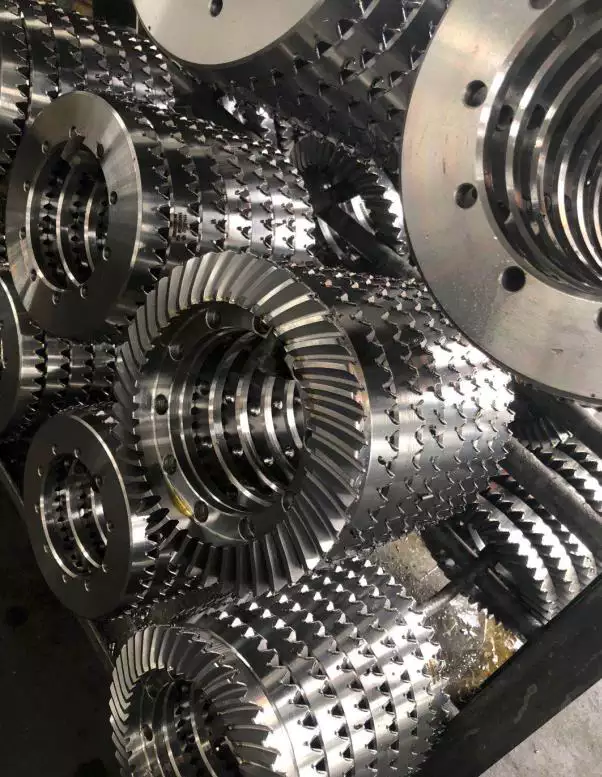
With a state-of-the-art production facility and a team of experienced engineers, we ensure the highest standards of quality and precision in every gear we produce. Our manufacturing process involves several crucial steps:
- Machining Preparation: Forging and Heat Treatment
- Rough Machining: Turning, Drilling, and Boring
- Forming Process: Gear Hobbing, Gear Shaping, and Gear Whirling
- Semi-Precision Machining: Chamfering, Keyway Cutting, and Deburring
- Heat Treatment: Carburizing, Nitriding or Quenching and Tempering
- Precision Machining: Gear Grinding and Gear Honing
- Inspection and Acceptance: Gear Testing and Surface Treatment
Each step of our manufacturing process is essential in achieving gears that meet the highest quality standards and performance expectations.
As a leading gear manufacturer, we take pride in the following advantages:
- Advanced manufacturing technology and equipment
- Extensive industry experience and expertise
- Strict quality control measures
- Customization options to meet unique requirements
- Timely delivery and excellent customer service
Partnering with us means gaining access to top-notch gear solutions tailored to your specific needs. Contact us today to discuss your gear requirements and start a fruitful collaboration.
Author: Miya