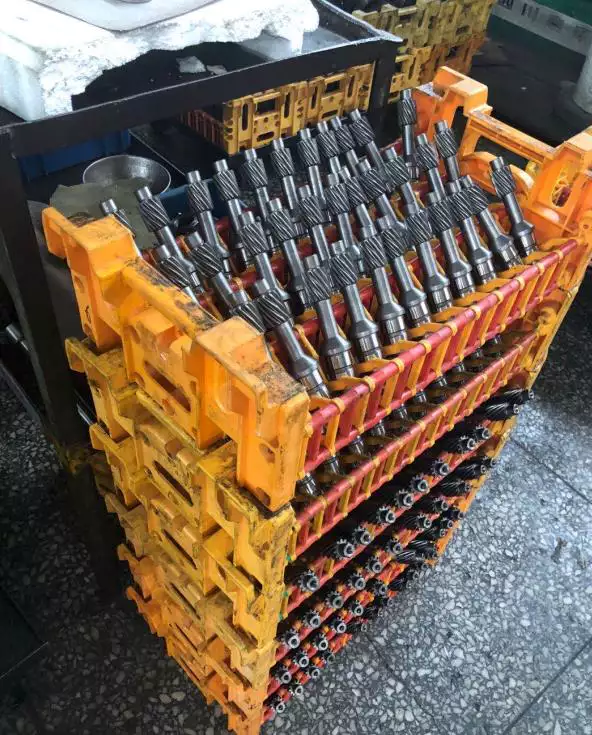
Hypoid Gear Modeling and Simulation
Introduction
In the field of mechanical engineering, hypoid gear modeling and simulation play a crucial role in the design and analysis of power transmission systems. With their unique characteristics and applications, hypoid gears have become an essential component in various industries, including automotive, aerospace, and robotics. In this article, we will delve into the intricacies of hypoid gear modeling and simulation, exploring their design principles, manufacturing processes, and performance analysis.
Design Principles
When it comes to designing hypoid gears, several key principles need to be considered to ensure optimal performance and efficiency. These principles include:
- Gear geometric parameters
- Pinion and gear tooth profiles
- Contact patterns and tooth load distribution
- Backlash and clearance
- Gear materials and heat treatment
- Lubrication and cooling
- Noise and vibration control
Gear Geometric Parameters
The geometric parameters of hypoid gears, such as the module, pressure angle, helix angle, and pitch diameter, directly affect their performance characteristics. Proper selection of these parameters ensures smooth power transmission and minimizes the risk of tooth failure.
Pinion and Gear Tooth Profiles
The tooth profiles of hypoid gears are crucial for achieving accurate motion transmission and load distribution. The appropriate selection of tooth profiles, such as the Gleason or Klingelnberg system, ensures high contact ratios and optimal load-carrying capacity.
Contact Patterns and Tooth Load Distribution
Proper contact patterns and tooth load distribution are essential for minimizing stress concentration and prolonging gear life. Advanced simulation techniques, such as finite element analysis (FEA), can accurately predict contact patterns and optimize tooth load distribution.
Backlash and Clearance
Backlash and clearance in hypoid gears are crucial for smooth operation and noise reduction. Careful consideration of these parameters, along with proper gear meshing, can greatly improve gear performance and reduce unwanted vibrations.
Gear Materials and Heat Treatment
The selection of appropriate gear materials, such as alloy steels or advanced composites, is vital to ensure sufficient strength and durability. Heat treatment processes, including carburizing, nitriding, and quenching, further enhance the gear’s surface hardness and wear resistance.
Lubrication and Cooling
Efficient lubrication and cooling systems are essential to minimize friction losses and prevent overheating. Proper selection of lubricants and cooling methods, such as oil jet or spray cooling, ensures optimal gear performance and extends its operational lifespan.
Noise and Vibration Control
Reducing noise and vibrations in hypoid gears is crucial for maintaining a smooth and quiet operation. Utilizing advanced noise control techniques, such as tooth modifications and gear microgeometry optimization, helps mitigate noise levels and ensures a more pleasant user experience.
Manufacturing Processes
The manufacturing of hypoid gears involves several intricate processes that ensure accurate gear production and high-quality end products. These processes include:
- Blank Preparation: Forging and Heat Treatment
- Rough Machining: Turning, Drilling, and Boring
- Forming Processes: Gear Hobbing, Gear Shaping, and Gear Skiving
- Semi-Finishing: Chamfering, Keyway Milling, and Deburring
- Heat Treatment: Carburizing, Nitriding or Quenching, and Tempering
- Finishing: Gear Grinding and Honing
- Inspection and Acceptance: Gear Testing and Surface Treatment
Blank Preparation: Forging and Heat Treatment
The first step in manufacturing hypoid gears involves preparing the gear blanks through forging processes. High-quality alloy steels are used to ensure the necessary strength and durability. After forging, heat treatment processes such as carburizing or nitriding are applied to enhance the gear’s surface hardness and wear resistance.
Rough Machining: Turning, Drilling, and Boring
Once the blanks are prepared, rough machining operations are performed to achieve the desired dimensions and remove excess material. Turning, drilling, and boring processes are utilized to shape the gear blanks accurately.
Forming Processes: Gear Hobbing, Gear Shaping, and Gear Skiving
The primary forming processes for hypoid gears include gear hobbing, gear shaping, and gear skiving. These processes involve carefully cutting the tooth profiles and gear geometries on the blanks to create the final gear shape.
Semi-Finishing: Chamfering, Keyway Milling, and Deburring
After the forming processes, the gears undergo semi-finishing operations, including chamfering, keyway milling, and deburring. These operations ensure smooth edges, proper keyway alignment, and the removal of any excess material or burrs.
Heat Treatment: Carburizing, Nitriding or Quenching, and Tempering
Heat treatment processes are crucial for enhancing the mechanical properties of hypoid gears. Carburizing, nitriding, or quenching processes are applied to improve the surface hardness and wear resistance. Tempering is then performed to relieve internal stresses and increase toughness.
Finishing: Gear Grinding and Honing
The final steps in the manufacturing process involve gear grinding and honing. Gear grinding ensures high precision and surface finish, while honing optimizes the tooth contact patterns and further reduces noise and vibrations.
Inspection and Acceptance: Gear Testing and Surface Treatment
Before the gears are ready for installation, rigorous inspection and acceptance procedures are conducted. Gear testing methods, such as tooth profile measurement and gear roll testing, are used to verify the gear’s quality and performance. Additionally, surface treatments such as shot peening or coatings may be applied for enhanced durability and corrosion resistance.
Our Gear Manufacturing Factory
At our gear manufacturing factory, we take pride in delivering high-quality gears for various industrial applications. With state-of-the-art technology and a team of experienced engineers, we strive to provide top-notch gear solutions. Here are some of our key advantages:
- Advanced Manufacturing Facilities: Our factory is equipped with the latest CNC machines and gear manufacturing equipment, ensuring precise and efficient production processes.
- Expertise in Hypoid Gear Design: Our team of engineers specializes in hypoid gear design, utilizing advanced software and simulation tools to optimize gear performance.
- Strict Quality Control: We adhere to stringent quality control measures throughout the manufacturing process, ensuring that every gear meets the highest standards of quality and reliability.
- Flexibility and Customization: We offer customized gear solutions tailored to our customers’ specific requirements, providing them with unique and optimized gear designs.
- Timely Delivery: We understand the importance of timely delivery, and our streamlined production processes allow us to fulfill orders efficiently, meeting our customers’ deadlines.
- Excellent Customer Support: Our dedicated customer support team is always ready to assist our clients, providing technical advice, resolving queries, and ensuring their complete satisfaction.
With our expertise in gear design and manufacturing, we strive to be your reliable partner in delivering high-performance hypoid gears for your industry needs.
Author: Miya