Hypoid Gear Gear Oil Types
Introduction
In the world of mechanical engineering, the selection of the right gear oil plays a crucial role in ensuring the smooth functioning and longevity of hypoid gears. Hypoid gears are widely used in various industries, including automotive, heavy machinery, and robotics. Different types of gear oils are available in the market, each with its unique properties and advantages. This article aims to explore the various hypoid gear gear oil types and provide an in-depth understanding of their characteristics and applications.
1. Mineral Gear Oil
Mineral gear oil, also known as conventional gear oil, is derived from petroleum crude oil. It undergoes a refining process to remove impurities and improve its lubricating properties. This type of gear oil offers moderate performance and is suitable for general industrial applications. Its composition primarily consists of hydrocarbons, which provide adequate lubrication and protection to hypoid gears operating under normal conditions.
2. Synthetic Gear Oil
Synthetic gear oil is engineered through complex chemical processes to create a superior lubricant with enhanced performance characteristics. This type of gear oil offers excellent thermal stability, high viscosity index, and superior resistance to oxidation and sludge formation. Synthetic gear oils provide superior protection under extreme temperatures and heavy loads. They are ideal for applications that demand high-performance lubrication, such as high-speed gears and heavy-duty machinery.
3. Semi-Synthetic Gear Oil
Semi-synthetic gear oil, also known as a blend of mineral and synthetic gear oil, combines the advantages of both types. It offers improved performance compared to mineral gear oil while maintaining cost-effectiveness. The synthetic component enhances its resistance to oxidation and thermal breakdown, resulting in extended gear life and reduced maintenance costs. Semi-synthetic gear oils find applications in a wide range of industries, including automotive and industrial gear systems.
4. Extreme Pressure (EP) Gear Oil
Extreme Pressure (EP) gear oils are specifically formulated to handle heavy loads and high temperatures. These oils contain additives that create a protective film on the gear surfaces, preventing metal-to-metal contact and reducing wear. EP gear oils typically have a higher viscosity and better load-carrying capacity, making them suitable for hypoid gears operating under extreme conditions, such as in heavy machinery and off-road vehicles.
5. Biodegradable Gear Oil
Biodegradable gear oil is an environmentally friendly alternative to conventional gear oils. It is made from renewable resources and breaks down naturally over time, minimizing the impact on the ecosystem. This type of gear oil is commonly used in applications where there is a risk of oil leakage, such as marine equipment and forestry machinery. Biodegradable gear oils provide adequate lubrication while promoting sustainability and reducing environmental pollution.
6. Food-Grade Gear Oil
Food-grade gear oils are specially designed for applications in the food and beverage industry, where incidental contact with food products may occur. These oils meet strict regulations and certifications to ensure they are safe for use in food processing equipment. Food-grade gear oils have excellent lubrication properties and are resistant to degradation from water and steam. They are commonly used in food mixers, conveyor systems, and other food processing machinery.
7. High-Performance Gear Oil
High-performance gear oils are formulated to meet the demanding requirements of advanced gear systems. These oils are designed to provide exceptional lubrication, reduce friction, and extend the life of high-speed and high-load gears. High-performance gear oils often incorporate advanced additives and synthetic base oils to enhance their performance even further. They are widely used in industries such as aerospace, automotive racing, and precision machinery.
8. Fire-Resistant Gear Oil
Fire-resistant gear oils are specifically engineered to withstand high temperatures and reduce the risk of fire hazards. These oils have a high flash point and self-extinguishing properties, making them suitable for gear systems operating in close proximity to heat sources or in potentially flammable environments. Fire-resistant gear oils are commonly used in steel mills, foundries, and other industrial applications where fire safety is a critical concern.
9. Low-Temperature Gear Oil
Low-temperature gear oils are designed to provide optimal lubrication in cold environments. These oils have a low pour point, allowing them to flow and provide adequate protection at extremely low temperatures. Low-temperature gear oils prevent gear seizing, reduce wear, and ensure smooth gear operation in sub-zero conditions. They are commonly used in refrigeration systems, cold storage facilities, and arctic exploration equipment.
10. Multi-Purpose Gear Oil
Multi-purpose gear oils are versatile lubricants that can be used in a wide range of gear applications. These oils offer a balance of properties suitable for both low and high-speed gears operating under moderate loads. Multi-purpose gear oils provide good protection against wear, rust, and corrosion, making them a cost-effective choice for general-purpose gear systems.
11. Non-Detergent Gear Oil
Non-detergent gear oils are formulated without detergents or dispersants. They are primarily used in older gear systems that do not require the cleaning action provided by detergents. Non-detergent gear oils provide basic lubrication and protection, making them suitable for simple gear systems with low operating speeds and light loads.
12. Gear Oil with Friction Modifiers
Gear oils with friction modifiers are specifically designed to reduce friction and improve energy efficiency in gear systems. These oils contain additives that form a thin, low-friction film on the gear surfaces, resulting in reduced power losses and improved gear efficiency. Gear oils with friction modifiers are commonly used in automotive transmissions, where fuel efficiency is a crucial consideration.
13. High-Viscosity Gear Oil
High-viscosity gear oils offer superior load-carrying capacity and film strength, making them suitable for heavy-duty applications. These oils have a higher viscosity index, ensuring adequate lubrication and protection under extreme pressure conditions. High-viscosity gear oils are commonly used in industrial gearboxes, mining equipment, and other heavy machinery operating under severe conditions.
14. Gear Oil for Limited-Slip Differentials
Gear oil for limited-slip differentials is specifically formulated to meet the unique requirements of vehicles equipped with limited-slip differentials. These oils contain additives that provide enhanced frictional properties, ensuring smooth and controlled power transfer between the wheels. Gear oil for limited-slip differentials offers improved traction and stability, making it suitable for high-performance and off-road vehicles.
15. Gear Oil for Hypoid Gears
Gear oil for hypoid gears is specifically designed to meet the demands of hypoid gear systems. These gears have unique characteristics, such as high contact pressures and sliding actions, which require a gear oil with extreme pressure and anti-wear properties. Gear oil for hypoid gears provides excellent load-carrying capacity, wear protection, and thermal stability, ensuring the efficient and reliable operation of hypoid gear systems.

Factory Introduction
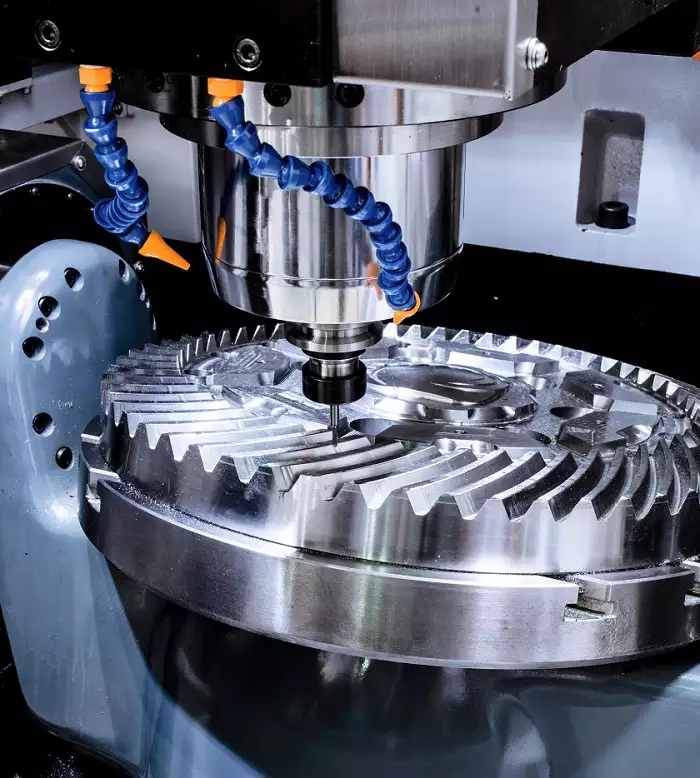
We are a professional gear manufacturing factory dedicated to producing high-quality gears for various industries. Our state-of-the-art facility is equipped with advanced machinery and technologies to ensure precision and reliability in every gear we produce. With years of experience and a team of skilled engineers, we have established ourselves as a trusted supplier in the gear manufacturing industry.
Manufacturing Process and Techniques
1. Raw Material Preparation: The manufacturing process begins with the preparation of raw materials. This includes forging and heat treatment to achieve the desired material properties.
2. Rough Machining: The rough machining stage involves operations such as turning, drilling, and boring to shape the gear blanks.
3. Forming Process: In this stage, the gear teeth are formed using methods like gear hobbing, gear shaping, or gear shaving. These processes ensure accurate tooth profiles and proper tooth engagement.
4. Semi-Finishing: Semi-finishing operations include chamfering, keyway cutting, and deburring to remove sharp edges and improve the overall gear quality.
5. Heat Treatment: Heat treatment processes like carburizing, nitriding, or quenching and tempering are performed to enhance the gear’s hardness, wear resistance, and strength.
6. Finishing: The finishing stage involves gear grinding or honing to achieve the desired gear surface finish and dimensional accuracy.
7. Inspection and Quality Assurance: Before the gears are ready for use, they undergo meticulous inspection and quality checks to ensure they meet the specified requirements. Various gear testing methods and surface treatments are employed to achieve the desired results.
Conclusion:
Author: Miya