Hypoid Gear Finishing
Introduction
Hypoid Gear Finishing is a critical process in the manufacturing of hypoid gears. It involves the final steps that ensure the gears meet the required specifications and performance standards. This article will explore the various aspects of Hypoid Gear Finishing, including the techniques, tools, and considerations involved.
1. Gear Tooth Profile Analysis
Before the finishing process begins, an analysis of the gear tooth profile is conducted. This step ensures that the gear teeth are shaped correctly and have the desired geometry. It involves the use of advanced metrology techniques, such as coordinate measuring machines (CMM) and gear measurement software, to accurately measure and analyze the tooth profile.

2. Surface Enhancement Techniques
To improve the performance and durability of hypoid gears, various surface enhancement techniques are employed during the finishing process. These techniques include shot peening, honing, and superfinishing. Shot peening helps to create compressive residual stress on the gear surface, enhancing its fatigue strength. Honing and superfinishing techniques further refine the gear surface, reducing friction and improving efficiency.
3. Gear Noise Reduction
Noise reduction is a crucial aspect of Hypoid Gear Finishing. Unwanted gear noise can be caused by factors such as tooth misalignment, surface roughness, and gear meshing errors. To mitigate these issues, precise adjustments are made during the finishing process to ensure proper tooth alignment and reduce surface roughness. Advanced gear noise analysis software is also used to identify and address any potential noise concerns.
4. Gear Lubrication Optimization
Optimizing gear lubrication is essential for improving the overall performance and longevity of hypoid gears. During the finishing process, specific lubrication requirements are taken into consideration. This includes selecting the appropriate lubricant, designing effective lubrication channels, and ensuring proper lubricant distribution on the gear surfaces. By optimizing gear lubrication, friction and wear are minimized, leading to enhanced gear efficiency and reduced maintenance.
5. Quality Inspection and Testing
Before the finished hypoid gears are shipped, rigorous quality inspection and testing procedures are conducted. This ensures that the gears meet the required standards and specifications. Quality inspection involves visual checks, dimensional measurements, and non-destructive testing methods such as ultrasonic testing and magnetic particle inspection. These tests verify the structural integrity and quality of the gears, ensuring they are fit for their intended applications.
6. Surface Coating and Protection
To further enhance the durability and performance of hypoid gears, surface coating and protection techniques are applied. These include processes such as nitriding, carburizing, and specialized coatings like DLC (Diamond-Like Carbon). Surface coatings provide increased hardness, wear resistance, and corrosion protection, extending the service life of the gears in demanding operating conditions.
7. Packaging and Shipment
After completing the Hypoid Gear Finishing process, the finished gears are carefully packaged to ensure their protection during transportation. Proper packaging materials and techniques are used to prevent any damage that may occur during transit. The gears are then shipped to their respective destinations, ready to be integrated into various industrial applications.
Our Gear Manufacturing Process
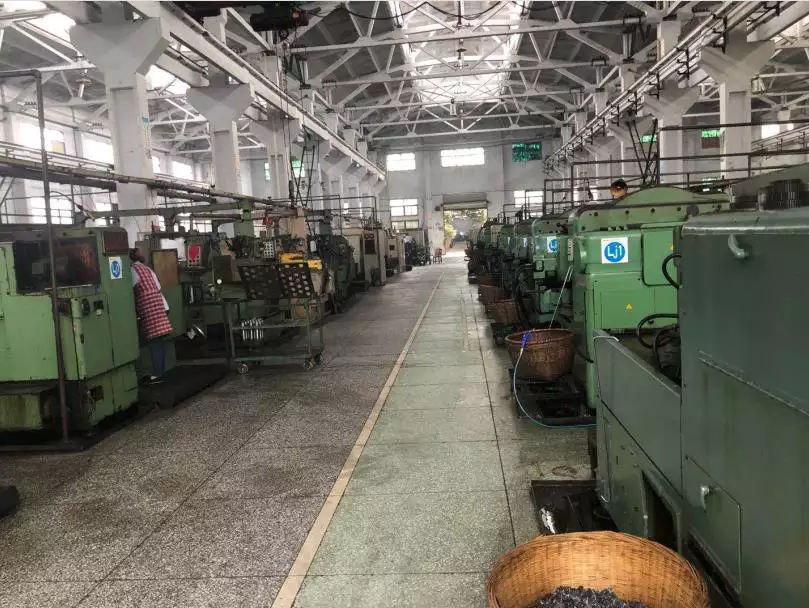
At our gear manufacturing factory, we follow a comprehensive manufacturing process to produce high-quality gears. Our process includes the following steps:
- Raw Material Preparation: We start by preparing the raw materials through forging and heat treatment processes. This ensures the material’s strength and durability.
- Machining: We perform rough machining operations such as turning, drilling, and boring to shape the gears and prepare them for further processing.
- Forming: This step involves gear cutting processes such as hobbing, shaping, and shaving to create the desired gear tooth profiles.
- Semi-Finishing: We perform additional operations like chamfering, keyway machining, and deburring to prepare the gears for the next stages.
- Heat Treatment: The gears undergo heat treatment processes such as carburizing, nitriding, or quenching and tempering to enhance their hardness and strength.
- Precision Machining: In this stage, we perform gear grinding and honing operations to achieve the required gear tolerances and surface finish.
- Inspection and Acceptance: We conduct thorough inspections using specialized gear measurement equipment to ensure the gears meet the specified requirements. Surface treatments are also applied at this stage.
By following this comprehensive gear manufacturing process, we ensure that our gears are of the highest quality and meet the performance demands of our customers.
Why Choose Us?
There are several reasons to choose our gear manufacturing factory:
- 1. Advanced Technology: We utilize state-of-the-art technology and machinery to manufacture gears with exceptional precision and quality.
- 2. Experienced Team: Our team consists of highly skilled engineers and technicians who have extensive knowledge and expertise in gear manufacturing.
- 3. Customization: We offer a wide range of customization options to meet the unique requirements of our customers. From gear materials to tooth profiles, we can tailor our gears to specific applications.
- 4. Stringent Quality Control: We have a rigorous quality control system in place to ensure that every gear we produce meets the highest standards of quality and performance.
- 5. Timely Delivery: We understand the importance of on-time delivery and strive to fulfill our customers’ orders within the agreed-upon timeframes.
- 6. Competitive Pricing: We offer competitive pricing without compromising on the quality of our gears. Our aim is to provide excellent value for our customers’ investment.
With our commitment to excellence, advanced manufacturing capabilities, and customer-centric approach, we are the ideal partner for all your gear manufacturing needs.
Author: Miya