Hypoid Gear Fatigue Crack Propagation Prevention
The Importance of Preventing Fatigue Crack Propagation
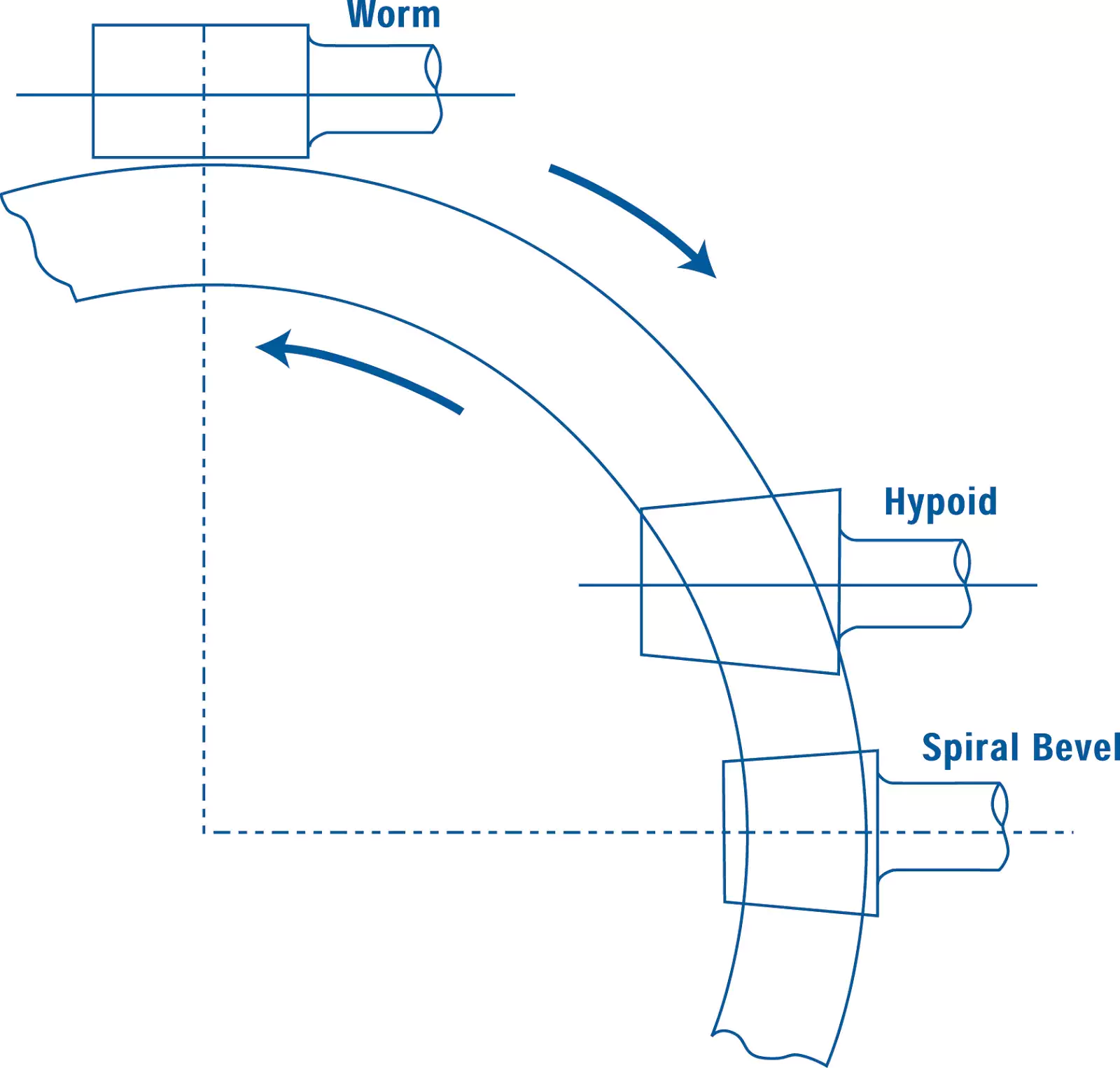
In the field of engineering, the prevention of fatigue crack propagation in hypoid gears plays a crucial role in ensuring the durability and reliability of mechanical systems. Fatigue cracks can lead to catastrophic failures, resulting in significant economic losses and potential safety hazards. Therefore, it is essential to understand the various methods and techniques that can be employed to prevent fatigue crack propagation in hypoid gears.
1. Material Selection and Heat Treatment
The choice of material for hypoid gears is of utmost importance in preventing fatigue crack propagation. High strength alloy steels, such as AISI 9310, are commonly used due to their excellent fatigue resistance properties. Additionally, the application of appropriate heat treatment processes, such as carburizing and quenching, can further enhance the material’s fatigue strength.
2. Surface Enhancement Techniques
To improve the fatigue crack resistance of hypoid gears, various surface enhancement techniques can be employed. Shot peening and surface rolling are two commonly used methods that induce compressive residual stresses on the gear surface, thereby inhibiting crack initiation and propagation.
3. Lubrication and Surface Coatings
Effective lubrication is essential for reducing friction and wear in hypoid gears. The use of high-quality lubricants with additives, such as extreme pressure (EP) agents, can minimize surface damage and prevent crack initiation. Furthermore, the application of suitable surface coatings, such as diamond-like carbon (DLC) coatings, can provide an additional layer of protection against fatigue crack propagation.
4. Optimal Gear Design
The design of hypoid gears plays a significant role in preventing fatigue crack propagation. Factors such as tooth profile optimization, proper gear geometry, and appropriate load distribution can contribute to improved fatigue performance. Additionally, the implementation of advanced computer-aided design (CAD) and finite element analysis (FEA) techniques can aid in identifying potential stress concentrations and optimizing gear designs.
5. Advanced Non-Destructive Testing (NDT) Methods
Non-destructive testing (NDT) methods, such as ultrasonic testing, magnetic particle inspection, and eddy current testing, can be employed to detect and monitor the presence of cracks in hypoid gears. Regular inspections using these advanced NDT techniques can help identify fatigue cracks at their early stages, allowing for timely preventive measures.
6. Proper Gear Maintenance and Inspection
Regular maintenance and inspection of hypoid gears are vital to ensure their long-term performance and prevent fatigue crack propagation. Proper lubrication, periodic gear tooth inspections, and timely replacement of worn or damaged gears are essential maintenance practices that can significantly enhance gear durability.
7. Training and Education
Lastly, providing adequate training and education to engineers and technicians involved in hypoid gear manufacturing and maintenance processes is instrumental in preventing fatigue crack propagation. Knowledge about the underlying principles of gear design, material selection, and maintenance practices can empower professionals to make informed decisions and implement effective preventive measures.
By following these strategies, engineers and manufacturers can significantly reduce the risk of fatigue crack propagation in hypoid gears, ensuring their longevity and optimal performance.
———————————————————————————————————————————
About Our Gear Manufacturing Factory
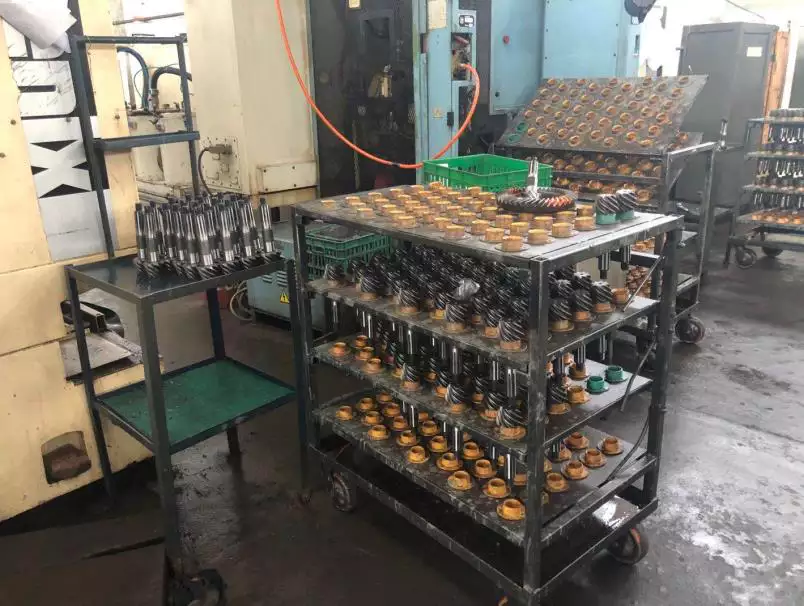
Here at our gear manufacturing factory, we specialize in the production of high-quality gears for various industrial applications. With state-of-the-art facilities and a team of skilled technicians, we pride ourselves on delivering gears that meet the highest standards of precision and reliability.
Our gear production process involves several essential steps, each carefully executed to ensure the superior quality of our products:
1. Blank Preparation: Forging and Heat Treatment
The first step in our gear manufacturing process is the preparation of blanks. We start by forging the raw material into the desired shape, followed by heat treatment processes such as carburizing or quenching. These treatments enhance the material’s strength and hardness, ensuring its suitability for gear production.
2. Rough Machining: Turning, Drilling, and Boring
After the blanks are prepared, we move on to rough machining. This step involves turning the gear’s outer and inner diameters, drilling holes for keyways or other features, and boring any necessary bores. Precise machining at this stage lays the foundation for the subsequent gear production processes.
3. Forming Processes: Gear Hobbing, Gear Shaping, and Gear Milling
The next stage in our gear production process is the forming of gear teeth. We employ various methods such as gear hobbing, gear shaping, or gear milling, depending on the specific requirements of the gear design. These processes ensure the accurate and efficient shaping of the gear teeth, resulting in optimal performance.
4. Semi-Finishing: Chamfering, Keyway Machining, and Deburring
Once the gear teeth are formed, we proceed with the semi-finishing stage. This involves chamfering the gear edges to remove sharp edges, machining keyways or key slots, and deburring the gears to eliminate any remaining burrs or sharp protrusions. Semi-finishing enhances the gear’s overall quality and prepares it for subsequent heat treatment.
5. Heat Treatment: Carburizing, Nitriding or Quenching, and Tempering
Heat treatment is a critical step in our gear manufacturing process. We apply specific heat treatment methods, such as carburizing, nitriding or quenching, and tempering, to enhance the gear’s hardness, durability, and wear resistance. These treatments ensure that our gears can withstand the demanding operating conditions they may encounter.
6. Finishing: Gear Grinding and Honing
In the finishing stage, we employ precision grinding and honing techniques to achieve the desired gear tooth profile and surface finish. Gear grinding ensures the accuracy and smoothness of the gear teeth, minimizing noise and maximizing efficiency. Honing further refines the gear’s surface finish, resulting in superior performance.
7. Inspection and Acceptance: Gear Testing and Surface Treatment
Before our gears leave the factory, they undergo rigorous inspection and acceptance procedures. We perform comprehensive gear testing, including dimensional checks, tooth profile measurements, and surface inspections. Additionally, we may apply surface treatments, such as coating or plating, to enhance the gears’ corrosion resistance and overall durability.
Our gear manufacturing factory stands out from others due to the following advantages:
- Advanced manufacturing facilities and equipment
- Highly skilled and experienced technicians
- Strict adherence to quality control standards
- Customization options to meet specific customer requirements
- Prompt and reliable delivery
- Competitive pricing
By choosing us as your gear manufacturing partner, you can be confident in receiving top-quality gears that meet your exact specifications. Contact us today to discuss your gear requirements and explore how we can collaborate to achieve your goals.
Author: Miya