Hypoid Gear Failure Modes
Introduction
In this article, we will explore the various failure modes associated with hypoid gears. Hypoid gears are a type of gear system that offers advantages such as high torque transmission, compact design, and low noise levels. However, like any mechanical component, they are susceptible to specific failure modes that can affect their performance and longevity. Understanding these failure modes is crucial for engineers and technicians working with hypoid gears to ensure proper maintenance and troubleshooting. Let’s delve into the different failure modes and their causes.
Fatigue Failure
Fatigue failure is one of the major failure modes observed in hypoid gears. This type of failure occurs due to repeated loading and unloading cycles, causing the material to weaken over time. Factors such as improper design, inadequate lubrication, and high operating loads can accelerate fatigue failure in hypoid gears.
Surface Degradation
Surface degradation refers to the gradual wear and tear of the gear’s surface. This can be caused by factors like abrasive particles present in the lubricant, inadequate lubrication, and excessive heat generation during operation. Surface degradation can lead to decreased gear efficiency, increased noise levels, and ultimately, gear failure.
Dent Formation
Dent formation is another commonly observed failure mode in hypoid gears. It refers to the development of dents or deformations on the gear surface, typically caused by high contact stresses or foreign particle entrainment. Dents can lead to improper gear meshing, increased noise, and reduced gear strength.
Scuffing
Scuffing is a severe form of surface damage that occurs due to localized welding and subsequent material transfer between gear teeth. It is often caused by poor lubrication, excessive loads, or high-speed operation. Scuffing can result in significant gear tooth damage and ultimately lead to catastrophic failure if not addressed promptly.
Pitting
Pitting is the formation of small craters or pits on the gear tooth surface, usually caused by high contact stress and insufficient lubrication. Pitting can significantly reduce the gear’s load-carrying capacity and cause premature failure.
Chipping
Chipping refers to the breaking or fracturing of small pieces from the gear tooth edges. It can occur due to excessive loads, poor gear material quality, or impact events. Chipped gear teeth can lead to improper gear meshing and reduced gear functionality.
Wear
Wear is a common failure mode in hypoid gears, caused by the gradual removal of material from the gear tooth surfaces. Factors such as insufficient lubrication, abrasive contaminants, and high operating speeds can accelerate wear. Excessive wear can result in gear tooth profile changes, increased backlash, and compromised gear performance.
Misalignment
Misalignment is a failure mode that occurs when the gears are not correctly positioned, leading to improper gear meshing. Misalignment can be caused by factors like incorrect assembly, shaft deflection, or poor maintenance practices. It can result in increased noise, decreased gear efficiency, and accelerated wear.
Conclusion
Understanding the various failure modes associated with hypoid gears is crucial for ensuring their reliable and efficient operation. Fatigue failure, surface degradation, dent formation, scuffing, pitting, chipping, wear, and misalignment are among the key failure modes that engineers and technicians must be aware of. By implementing proper design, regular maintenance, and adequate lubrication, the occurrence of these failure modes can be minimized, thereby extending the lifespan and performance of hypoid gears.
Author: Miya
Our Gear Manufacturing Process
Our factory specializes in the production of high-quality gears. We follow a meticulous manufacturing process to ensure the durability and precision of our products. Below are the various steps involved in our gear manufacturing process:
- Raw Material Preparation: We start by preparing the raw material through forging and heat treatment processes, ensuring the material’s strength and integrity.
- Rough Machining: The rough machining phase involves operations such as turning, drilling, and boring to shape the gears and create the initial tooth profiles.
- Forming Processes: In this phase, we use techniques like gear rolling, hobbing, and shaving to achieve precise gear tooth profiles and improve their surface finish.
- Semi-Finishing: Semi-finishing operations include processes like chamfering, keyway machining, and deburring to remove any rough edges or burrs from the gears.
- Heat Treatment: We perform heat treatment processes like carburizing, nitriding, or quenching and tempering to enhance the gears’ hardness, wear resistance, and overall strength.
- Finish Machining: Finish machining involves gear grinding and honing processes to achieve the desired tooth surface finish, accuracy, and noise reduction.
- Inspection and Quality Assurance: We conduct thorough inspections and quality checks to ensure that the gears meet all the required specifications and performance criteria.
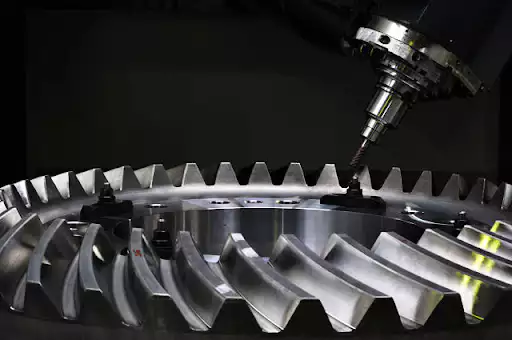
Our gear manufacturing process incorporates advanced technology and skilled craftsmanship to deliver gears that excel in performance and reliability. With our expertise in each step of the manufacturing process, we can offer gears that meet the demanding requirements of various industries, including automotive, aerospace, and industrial applications. We prioritize precision, durability, and customer satisfaction in every gear we produce.
Key Advantages of Choosing Us:
- Extensive industry experience and expertise
- High-quality materials and advanced manufacturing techniques
- Precision engineering and strict quality control
- Customization options to meet specific requirements
- Timely delivery and exceptional customer service
- Competitive pricing and cost-effectiveness
- Proven track record of successful gear solutions
Partner with us for your gear needs, and experience the reliability and performance of our meticulously crafted gears.