Hydraulic Hose and Couplings
Introduction to Hydraulic Hose and Couplings
Hydraulic hose and couplings are indispensable components in any hydraulic system. They are designed to transport fluid from one component to another, ensuring the system operates efficiently and effectively. Understanding their function, types, and selection criteria is crucial for optimal performance.
Importance of Hydraulic Hose
The hydraulic hose is the conduit through which hydraulic fluid flows. It must withstand high pressure and extreme conditions without compromising the system’s integrity. Proper selection and maintenance of hydraulic hoses can prevent system failures and extend equipment lifespan.
Material Composition of Hydraulic Hoses
Hydraulic hoses are typically made from reinforced rubber, thermoplastic, or PTFE (Teflon). Each material offers distinct advantages in terms of flexibility, temperature resistance, and durability, making them suitable for various applications.
Common Types of Hydraulic Hoses
There are several types of hydraulic hoses, including braided, spiral, and thermoplastic hoses. Braided hoses are known for their flexibility, spiral hoses for their high-pressure capability, and thermoplastic hoses for their lightweight and abrasion resistance.
Hydraulic Couplings Explained
Hydraulic couplings are connectors used to join hoses to other components in the system. They are vital for maintaining the integrity of the hydraulic circuit and preventing fluid leaks. Understanding the different types of couplings is essential for ensuring system efficiency.
Function of Hydraulic Coupler
- Connects hydraulic components: Hydraulic couplers connect hoses and other components, creating a seamless hydraulic circuit.
- Prevents fluid leaks: Properly designed couplers ensure a secure connection, preventing fluid leaks and maintaining system pressure.
- Allows for quick disconnection: Quick-disconnect couplers enable easy and rapid disconnection of hoses, facilitating maintenance and repair.
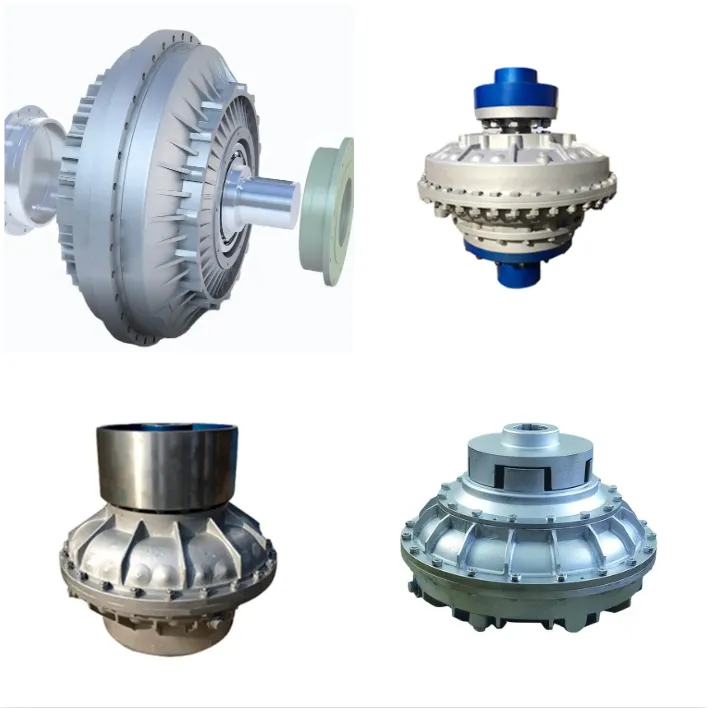
Common Types of Hydraulic Couplings
There are various types of hydraulic couplings, each tailored to specific requirements. Here, we delve into the two primary types:
Threaded Couplings
Threaded couplings are commonly used in permanent connections. They provide a strong and reliable connection, making them ideal for high-pressure applications. However, they require tools for installation and removal.
Quick Disconnect Couplings
Quick disconnect couplings are designed for easy and rapid connection and disconnection. They are ideal for applications requiring frequent hose changes or maintenance. These couplings typically feature a push-and-pull mechanism for convenience.
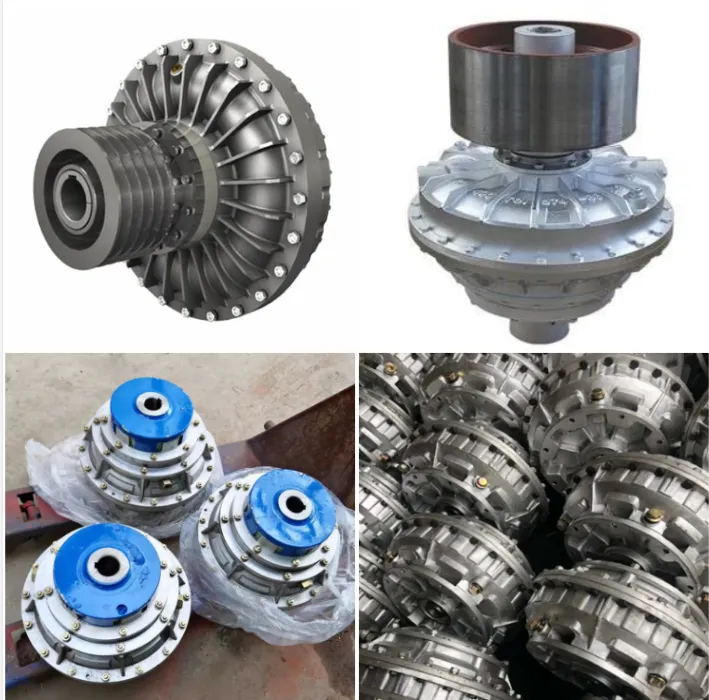
Function of Hydraulic Coupler
The hydraulic coupler performs several critical functions within a hydraulic system:
- Ensures seamless fluid transfer: Couplers facilitate the smooth transfer of hydraulic fluid between components.
- Maintains system pressure: Properly functioning couplers help maintain consistent system pressure.
- Prevents contamination: High-quality couplers prevent contaminants from entering the hydraulic system.
Types of Fluid Coupling
Fluid couplings are classified into two primary types:
Constant-fill Couplings
Constant-fill couplings are always filled with hydraulic fluid. They provide a smooth and constant power transmission, making them suitable for high-torque applications. However, they can generate heat due to continuous fluid circulation.
Variable-fill Couplings
Variable-fill couplings allow for adjustable fluid levels, offering more control over power transmission. They are suitable for applications requiring variable speed and torque, but they tend to be more complex and expensive.
How Hydraulic Quick Couplers Work
Hydraulic quick couplers are designed for fast and secure connections. Here’s how they work:
- Initial alignment: The male and female components of the coupler are aligned for connection.
- Engagement: The push-and-pull mechanism allows the components to engage securely.
- Sealing: High-quality seals prevent fluid leaks and maintain system integrity.
- Disengagement: The mechanism allows for easy disconnection without fluid spill.
Selecting the Right Hydraulic Coupling
Choosing the appropriate hydraulic coupling requires careful consideration of several factors:
Pressure Rating
Ensure the coupling is rated for the system’s maximum pressure to prevent failures and leaks.
Temperature Range
Consider the operating temperature range of the coupling to ensure reliable performance under varying conditions.
Material Compatibility
Choose coupling materials that are compatible with the hydraulic fluid to prevent corrosion and degradation.
Size and Configuration
Select the correct size and configuration to ensure a secure and leak-free connection.
Application Requirements
Consider the specific application requirements, such as quick-disconnect capability or high-torque transmission, when selecting a coupling.
HZPT: Your Trusted Partner for Hydraulic Couplings
Founded in 2006, HZPT specializes in the development and manufacturing of high-precision couplings, ball screw support units, motor brackets, and motion modules. Our product line includes servo motor couplings, stepper motor couplings, micro motor couplings, and encoder couplings.
Our Advantages
- Advanced Technology: We leverage cutting-edge technology to develop innovative and reliable hydraulic couplings.
- Dedicated R&D Center: Our in-house research and development center ensures continuous product improvement and customization.
- Comprehensive Manufacturing and Testing: We maintain our own processing and testing systems to guarantee product quality.
- ISO 9001:2015 Certification: Our commitment to quality is demonstrated by our ISO 9001:2015 certification.
- Global Recognition: Our products are widely recognized and used by top-tier clients in Japan, the USA, Germany, Israel, Malaysia, Singapore, and Taiwan.
Why Choose HZPT
At HZPT, we pride ourselves on providing high-quality hydraulic couplings that meet the rigorous demands of various industries. Our advanced technology, dedicated R&D, comprehensive manufacturing and testing capabilities, ISO 9001:2015 certification, and global recognition make us the preferred choice for hydraulic coupling solutions. Collaborate with us for reliable, efficient, and innovative hydraulic coupling products tailored to your specific needs.