How to Use Screw Jacks
Screw jacks, also known as mechanical jacks, are devices that are often used to lift heavy loads. They are a crucial tool in various industries like construction, manufacturing, and automotive. This guide will provide you with comprehensive knowledge of how to use screw jacks, their benefits, and safety precautions to consider.
Understanding Screw Jacks
Screw jacks operate on the principle of linear motion. They convert rotational motion into linear motion using a lead screw. This simple yet effective mechanism gives screw jacks their lifting power. The screw jack system consists of a screw and a nut that moves along the screw when it rotates. The nut, in turn, connects to the load that needs to be lifted or lowered.
Step-by-Step Guide on How to Use Screw Jacks
Step 1: Choose the Correct Screw Jack
First and foremost, it is crucial to select the appropriate screw jack for your specific task. Screw jacks are available in various capacities, from light-duty to heavy-duty ones. The load capacity of the jack must exceed the weight of the load you intend to lift. Incorrect selection can lead to dangerous situations and inefficient operations.
Step 2: Position the Screw Jack
Once you have the correct jack, position it underneath the load that you wish to lift. The jack should be placed on a solid and level surface to ensure stability and safety during the lifting process. Make sure the jack’s base is in full contact with the ground and the lifting head squarely under the load.
Step 3: Adjust the Screw Jack
Turn the screw jack’s handle clockwise to extend the lifting head towards the load. Continue turning until the head makes secure contact with the load. Ensure that the lifting head is centered under the load for optimal lifting force distribution.
Step 4: Lift the Load
Once the screw jack is correctly positioned and adjusted, you can now lift the load. Turn the handle clockwise, and the load will start to rise. Continue turning until the load reaches the required height. During this process, keep a check on the jack’s stability, and cease lifting if any instability is noticed.
Step 5: Lower the Load
To lower the load, turn the screw jack’s handle counter-clockwise. Do this slowly and carefully to ensure the load lowers at a controlled rate. Once the load reaches the ground, you can then disengage the screw jack.
Safety Precautions When Using Screw Jacks
While screw jacks are incredibly useful, they can be hazardous if used incorrectly. Here are some safety precautions to keep in mind when using screw jacks:
- Always use the correct type and size of the screw jack for the load.
- Ensure the jack is on a solid, level surface before lifting.
- Never exceed the load capacity of the screw jack.
- Always keep your body parts away from the load being lifted.
- Never rely on a jack alone to support a lifted load. Use load-bearing stands for prolonged support.
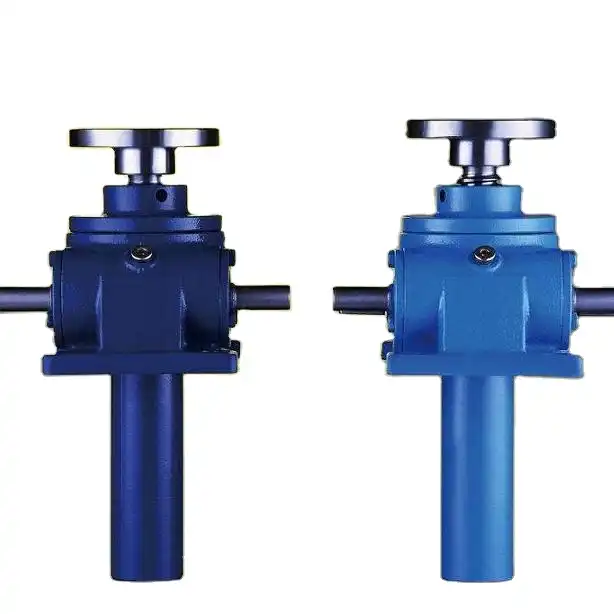
The Benefits of Using Screw Jacks
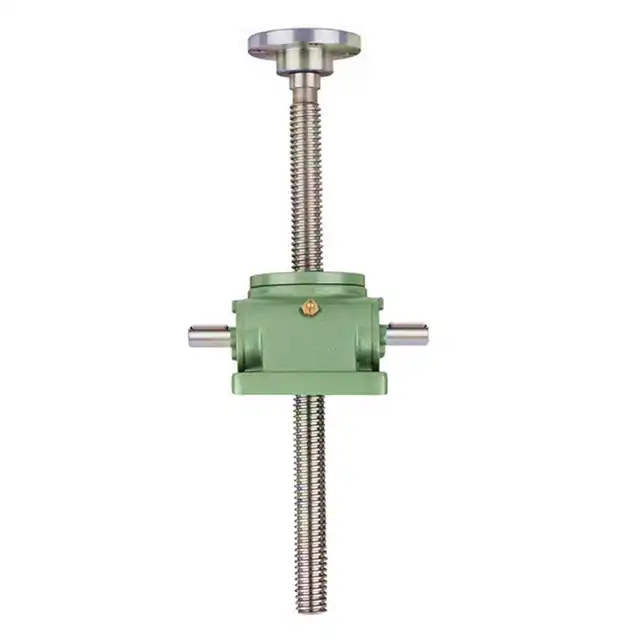
Screw jacks offer many advantages, including versatility, durability, and precision. They can handle a wide range of loads, making them suitable for various applications. Screw jacks also offer precise height adjustment, allowing for exact positioning of the load. Additionally, they are built to last, providing reliable and efficient service for many years.
Conclusion
Understanding how to use a screw jack is essential for anyone involved in industries where lifting heavy loads is a regular task. With their impressive lifting capabilities, versatility, and durability, screw jacks are indeed an invaluable tool. However, remember that safety is paramount when using these devices, so always follow the correct procedures and precautions.