How to Troubleshoot Yaw Drive Overheating Issues?
Introduction
The yaw drive is a critical component in various applications, including wind power generation, marine vessels, and aerospace systems. However, overheating issues can occur, affecting the performance and longevity of the yaw drive. In this article, we will explore the common causes of yaw drive overheating and provide troubleshooting steps to address these issues effectively.
Understanding Yaw Drive Overheating
Yaw drive overheating can lead to significant problems, such as increased wear and tear, reduced efficiency, and potential breakdowns. It is crucial to identify the causes and take appropriate measures to prevent or resolve overheating issues. Let’s explore the key factors contributing to yaw drive overheating:
1. Insufficient Lubrication
Lack of proper lubrication can result in increased friction and heat generation within the yaw drive system. It is essential to ensure an adequate lubrication mechanism and use high-quality lubricants to minimize overheating risks.
2. Misalignment
Misalignment of yaw drive components can lead to excessive stress and increased friction, causing overheating. Regular inspection and alignment adjustments are necessary to maintain optimal performance and prevent overheating.
3. Overloading
Exceeding the designed load capacity of the yaw drive can induce overheating due to excessive torque and stress on the system. It is crucial to adhere to the recommended load limits and consider the yaw drive’s capabilities for safe operation.
4. Electrical Malfunctions
Electrical issues, such as short circuits or faulty wiring, can lead to abnormal current flow and overheating in the yaw drive system. Regular inspections and prompt repairs are essential to prevent electrical malfunctions that can cause overheating.
5. Environmental Factors
Extreme temperatures, humidity, and dust accumulation can affect the cooling efficiency of the yaw drive, resulting in overheating. Implementing adequate environmental controls and regular maintenance can help mitigate these risks.
6. Inadequate Ventilation
Insufficient airflow around the yaw drive can impede heat dissipation and lead to overheating. Proper ventilation design and regular cleaning of air passages are necessary to maintain optimal cooling performance.
7. Mechanical Wear
Worn-out bearings, gears, or other mechanical components can increase friction and heat generation within the yaw drive. Regular inspections, lubrication, and timely replacement of worn parts are crucial for preventing overheating.
8. Control System Issues
Malfunctioning control systems or incorrect settings can cause the yaw drive to operate inefficiently, leading to overheating. Regular monitoring and adjustment of control parameters are necessary to ensure optimal performance and prevent overheating.
9. Insulation Degradation
Over time, the insulation materials in the yaw drive system may degrade, leading to electrical leakage and potential overheating. Regular testing and replacement of insulation components are crucial to maintain system integrity and prevent overheating risks.
10. Maintenance Neglect
Lack of regular maintenance, including cleaning, lubrication, and inspection, can contribute to yaw drive overheating. Following a comprehensive maintenance schedule is essential to prevent overheating issues and ensure the longevity of the yaw drive.
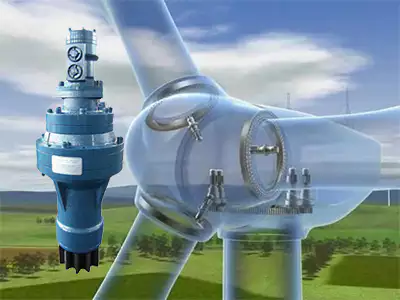
Yaw Drive Maintenance and Fault Diagnosis
Maintaining and diagnosing faults in the yaw drive system is crucial for reliable operation. Let’s explore the key aspects of yaw drive maintenance and fault diagnosis:
1. Yaw Drive Maintenance
– Regular lubrication using high-quality lubricants to minimize friction and heat generation.
– Inspection and realignment of yaw drive components to prevent misalignment-induced overheating.
– Monitoring and adhering to load limits to avoid overloading and excessive stress on the yaw drive.
– Periodic inspection and maintenance of electrical connections to prevent malfunctions and overheating.
– Implementing proper environmental controls and regular cleaning to ensure optimal cooling efficiency.
– Regular inspection and cleaning of air passages for adequate ventilation and heat dissipation.
– Timely replacement of worn-out bearings, gears, or other mechanical components to prevent excessive friction and heat generation.
– Monitoring and adjustment of control system parameters to ensure efficient operation and prevent overheating.
– Regular testing and replacement of insulation materials to prevent electrical leakage and potential overheating.
– Adhering to a comprehensive maintenance schedule to prevent neglect-related overheating issues.
2. Fault Diagnosis Steps
– Conducting a thorough visual inspection for any visible damage or abnormalities in the yaw drive system.
– Performing temperature measurements at critical points to identify areas of excessive heat.
– Analyzing electrical connections and components for any signs of malfunction or insulation degradation.
– Inspecting lubrication levels and quality to ensure proper lubrication and prevent friction-related overheating.
– Reviewing control system settings and performance to identify any anomalies or incorrect parameters.
– Conducting vibration analysis to detect potential mechanical issues that may contribute to overheating.
– Utilizing diagnostic tools, such as infrared imaging, to identify specific areas of overheating within the yaw drive system.
3. Repair and Replacement Recommendations
– Based on the fault diagnosis results, initiate the necessary repairs or component replacements promptly.
– Repair or replace any damaged electrical connections or insulation materials to prevent further overheating risks.
– Lubricate the yaw drive system with high-quality lubricants and ensure proper lubrication mechanisms.
– Replace worn-out bearings, gears, or other mechanical components to minimize friction and heat generation.
– Adjust control system parameters as per manufacturer guidelines to ensure efficient and safe operation.
– Implement preventive measures, such as improved ventilation or environmental controls, to mitigate future overheating risks.

Value and Importance of Yaw Drive in Different Applications
The yaw drive plays a crucial role in various applications, demonstrating its value and importance. Let’s explore how yaw drive contributes to different fields:
1. Wind Power Generation
– Enables efficient wind turbine orientation, maximizing power generation capabilities.
– Facilitates wind turbine yaw adjustment to ensure optimal wind capture and turbine performance.
– Ensures safe and precise wind turbine alignment during various wind conditions.
– Enhances wind farm efficiency and overall energy production.
2. Marine Vessels
– Enables precise control and maneuverability of marine vessels, such as ships and offshore platforms.
– Facilitates smooth and efficient steering operations, ensuring safe navigation.
– Provides stability and control during challenging weather conditions.
– Enables dynamic positioning systems for offshore operations.
3. Aerospace Systems
– Enables precise yaw control and stabilization of aircraft during flight.
– Facilitates smooth and responsive aircraft steering and navigation.
– Enhances safety and control during takeoff, landing, and maneuvering.
– Ensures optimal performance and stability in diverse flight conditions.
4. Other Applications
– Yaw drive finds application in various industries, such as robotics, construction equipment, and satellite dish positioning.
– Enables accurate and controlled rotation in specific applications, enhancing operational efficiency and versatility.
Choosing or Customizing the Right Yaw Drive Gearbox
Selecting or customizing an appropriate yaw drive gearbox requires considering specific parameters and real-world conditions. Let’s explore the key factors to consider:
1. Load Capacity
– Evaluate the maximum load requirements and ensure the selected yaw drive gearbox can handle the anticipated loads.
– Consider factors such as wind turbine size, marine vessel weight, or aerospace system specifications.
– Opt for a gearbox with a suitable load capacity to avoid overloading and potential overheating.
2. Torque Rating
– Determine the required torque for the intended application.
– Consider factors such as wind turbine size, marine vessel maneuverability, or aerospace system dynamics.
– Select a yaw drive gearbox with an appropriate torque rating to ensure optimal performance and prevent overheating.
3. Operating Speed
– Assess the desired operating speed for the yaw drive system.
– Consider factors such as wind turbine rotation speed, marine vessel maneuvering requirements, or aerospace system specifications.
– Choose a gearbox with a speed rating that meets the application’s demands without compromising safety or performance.
4. Environmental Considerations
– Evaluate the operating environment’s conditions, including temperature, humidity, and exposure to dust or corrosive elements.
– Select a yaw drive gearbox with appropriate environmental protection and durability, considering the specific application’s requirements.
5. Maintenance and Serviceability
– Consider ease of maintenance, access to components, and availability of spare parts when selecting a yaw drive gearbox.
– Opt for gearboxes with user-friendly maintenance features, ensuring efficient servicing and minimizing downtime.

Recommendation: Choose Our Yaw Drive Gearbox for Reliable Performance
At our company, we specialize in manufacturing and supplying high-quality yaw drive gearboxes for a range of applications. Here are five reasons why you should choose our products:
1. Superior Quality
– Our yaw drive gearboxes are engineered with precision using high-grade materials to ensure superior performance and durability.
– Rigorous quality control measures are implemented at every stage of the manufacturing process to meet the highest industry standards.
2. Advanced Technology
– Our yaw drive gearboxes incorporate advanced technologies to optimize efficiency, minimize heat generation, and enhance overall performance.
– We continuously invest in research and development to stay ahead of industry trends and provide cutting-edge solutions.
3. Customization Options
– We offer customization options to tailor our yaw drive gearboxes to specific application requirements.
– Our engineering team works closely with customers to understand their needs and design gearboxes that meet their unique specifications.
4. Reliable Customer Support
– Our dedicated customer support team is available to provide technical assistance, address queries, and offer guidance throughout the product selection and implementation process.
– We are committed to ensuring customer satisfaction and building long-term partnerships.
5. Proven Track Record
– Our yaw drive gearboxes have been successfully deployed in numerous projects worldwide, earning a reputation for reliability, performance, and longevity.
– We have a strong customer base and positive testimonials from satisfied clients, showcasing our expertise and product excellence.
Author: Miya