Introduction
Cast iron chains are widely used in various industrial applications due to their durability and reliability. However, like any other mechanical component, they can encounter issues that may affect their performance. In this article, we will explore common troubleshooting techniques for dealing with problems related to cast iron chains.
1. Insufficient Lubrication
Proper lubrication is essential for the smooth operation of cast iron chains. Inadequate lubrication can lead to increased friction, wear, and even chain failure. To address this issue:
- Ensure the chain is properly lubricated with a high-quality lubricant suitable for cast iron chains.
- Regularly inspect and lubricate the chain to prevent dry areas.
- Monitor lubrication levels and replenish as needed.
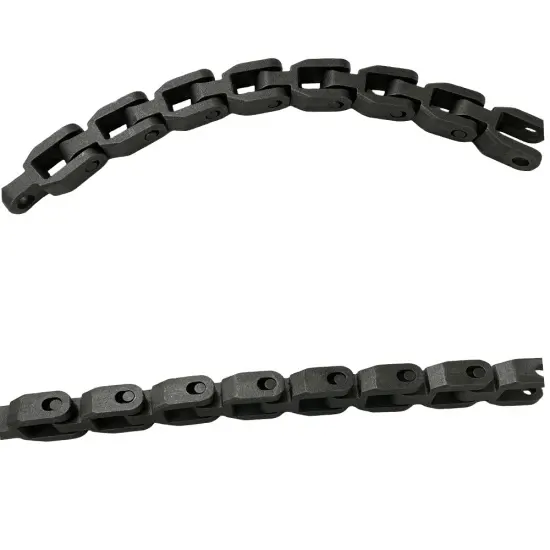
2. Chain Misalignment
Chain misalignment can result in uneven wear, increased noise, and reduced lifespan of cast iron chains. To address this issue:
- Check for any misalignment between the sprockets and adjust them accordingly.
- Inspect the chain tension and adjust it as necessary.
- Ensure the chain is properly tensioned to prevent excessive slack or tightness.
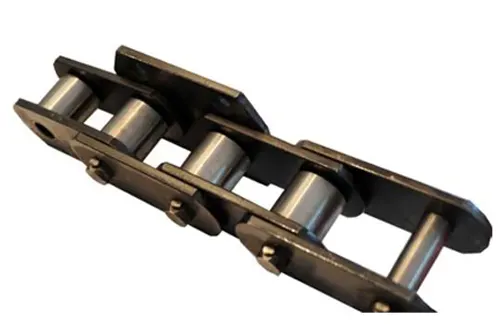
3. Corrosion and Rust
Exposure to moisture and harsh environments can cause corrosion and rust, compromising the integrity of cast iron chains. To address this issue:
- Regularly inspect the chains for signs of corrosion or rust.
- Clean the chains using a suitable cleaning agent and remove any rust using a wire brush.
- Apply a corrosion-resistant coating or paint to protect the chains.
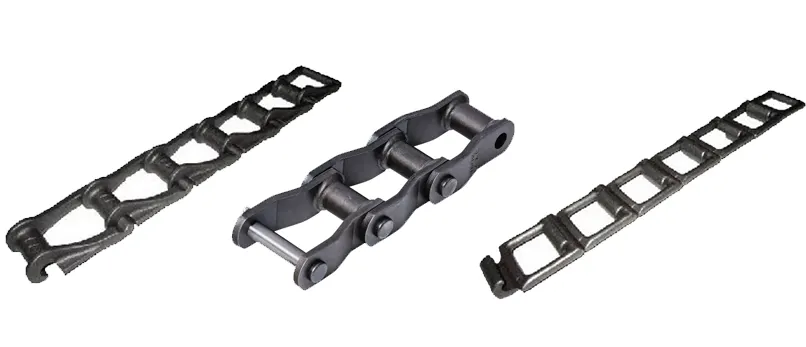
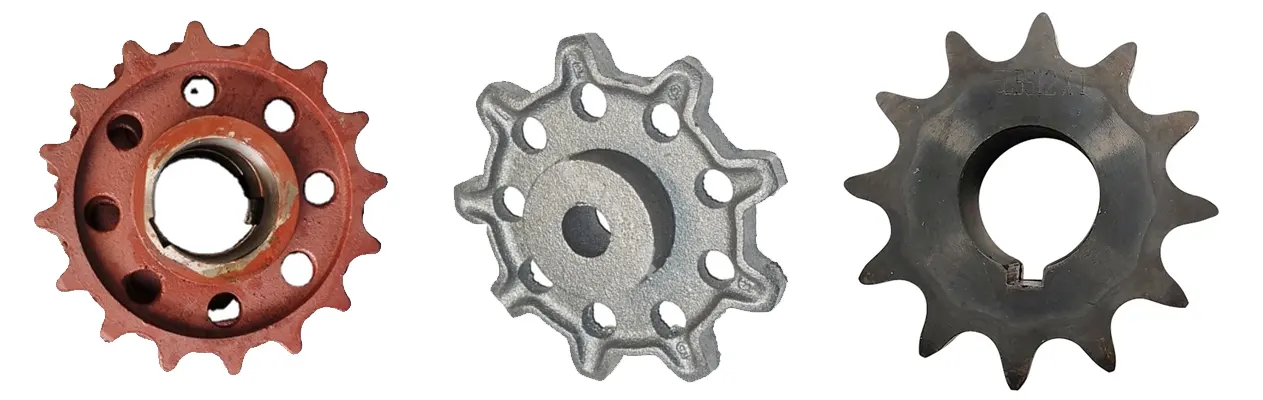
Sprockets for Cast Iron Chains
Sprockets play a crucial role in the functioning of cast iron chains. They provide the necessary engagement and transfer the rotational motion between the chain and the machinery. Our company, Ever-power, offers a wide range of high-quality sprockets designed specifically for cast iron chains.
About Ever-power
Renowned for the exceptional quality, our malleable cast iron chains undergo stringent manufacturing processes, ensuring durability and reliability in diverse industrial applications. Our malleable cast iron construction provides robustness while maintaining flexibility, offering a balance between strength and adaptability. We remain price competitive without compromising on quality.
The company’s commitment to providing cost-effective solutions makes our malleable chains a prudent choice for businesses seeking both value and performance. Moreover, we are dedicated to exceptional service. Our customer-centric approach involves timely delivery, reliable support, and a responsive team ready to assist at every stage. From product inquiries to after-sales service, we prioritize customer satisfaction, fostering long-term partnerships built on trust and reliability.
Our malleable casting chains stand out for our quality craftsmanship, competitive pricing, and unwavering commitment to superior service, making them a trusted choice in the industrial chain market.

Q&A
Q: How often should I lubricate my cast iron chains?
A: It is recommended to lubricate your cast iron chains at regular intervals, ideally every 100 operating hours or as specified by the manufacturer. However, the frequency may vary depending on the operating conditions and the level of chain usage.
Q: What lubricant should I use for my cast iron chains?
A: It is important to use a lubricant specifically designed for cast iron chains. Look for lubricants that offer excellent adhesion, high load-carrying capacity, and resistance to wear and corrosion. Consult the manufacturer’s recommendations for the most suitable lubricant for your application.
Q: How can I prevent chain misalignment?
A: To prevent chain misalignment, ensure proper installation of the sprockets and maintain proper tension in the chain. Regularly inspect the alignment of the sprockets and adjust them if necessary. Additionally, monitor the tension of the chain and adjust it as needed to prevent excessive slack or tightness.
Edited by Zqq.