How to troubleshoot gear shaft overheating issues?
Gears are essential components in various mechanical systems, transmitting power and ensuring smooth operation. However, gear shaft overheating can be a common problem that affects their performance and lifespan. In this article, we will explore different strategies to troubleshoot gear shaft overheating issues, aiming to provide practical solutions for diagnosing and resolving these problems effectively.
1. Insufficient lubrication
One of the primary causes of gear shaft overheating is insufficient lubrication. Inadequate lubrication can lead to increased friction and heat generation, resulting in overheating issues. To address this problem, it is crucial to ensure proper lubrication of the gear system.
1.1 Checking lubricant quality
The first step is to inspect the lubricant quality. Poor-quality or degraded lubricants can fail to provide adequate protection, leading to overheating. Regularly check and replace lubricants as per manufacturer recommendations to maintain optimal performance.
1.2 Verifying lubricant quantity
Another important aspect is to verify the lubricant quantity. Insufficient lubrication can occur due to low levels or leaks. Periodically check the lubricant levels and ensure there are no leaks in the system that may cause a drop in lubricant quantity.
2. Misalignment or improper installation
Misalignment or improper installation of gears can contribute to gear shaft overheating. When gears are not aligned correctly, they can cause excessive friction and generate excessive heat. Therefore, it is vital to address any misalignment or installation issues promptly.
2.1 Alignment inspection
Regularly inspect gear alignments to identify any deviations. Misalignment can occur due to improper installation, wear and tear, or external factors. If misalignment is detected, realign the gears using appropriate alignment techniques or seek professional assistance if needed.
2.2 Installation verification
During installation, it is essential to follow manufacturer guidelines to ensure proper gear placement. Check for any installation irregularities, such as incorrect gear meshing or loose connections. Correct any installation errors promptly to prevent overheating problems.
3. Overloading and excessive speeds
Overloading and operating at excessive speeds can generate significant heat in the gear system, leading to gear shaft overheating. It is crucial to understand the system’s load capacity and operate within the recommended limits to avoid overheating issues.
3.1 Load analysis and optimization
Conduct a thorough analysis of the system’s load requirements and ensure it is within the gear’s capacity. If overloading is detected, consider optimizing the load distribution or upgrading to a higher capacity gear system. This will help alleviate gear shaft overheating problems caused by excessive loads.
3.2 Speed control and regulation
Monitoring and regulating the system’s operating speed is essential to prevent overheating. Excessive speeds can lead to increased friction and heat generation. Implement speed control mechanisms such as variable frequency drives or gear ratio adjustments to maintain optimal speeds and prevent gear shaft overheating.
4. Cooling and ventilation
Inadequate cooling and ventilation can contribute to gear shaft overheating problems. Insufficient airflow or improper cooling mechanisms can hinder heat dissipation, leading to increased temperatures and potential damage to the gear system.
4.1 Airflow analysis and improvement
Analyze the gear system’s airflow patterns and identify any obstructions or limitations. Ensure proper ventilation and airflow around the gears by removing any blockages or optimizing the system’s design. Improved airflow will aid in dissipating heat and maintaining optimal operating temperatures.
4.2 Cooling system enhancement
Enhancing the cooling system can effectively address gear shaft overheating. Consider implementing additional cooling mechanisms such as fans, heat sinks, or oil cooling systems to regulate temperatures efficiently. Proper cooling will significantly contribute to preventing overheating issues and extending the gear system’s lifespan.
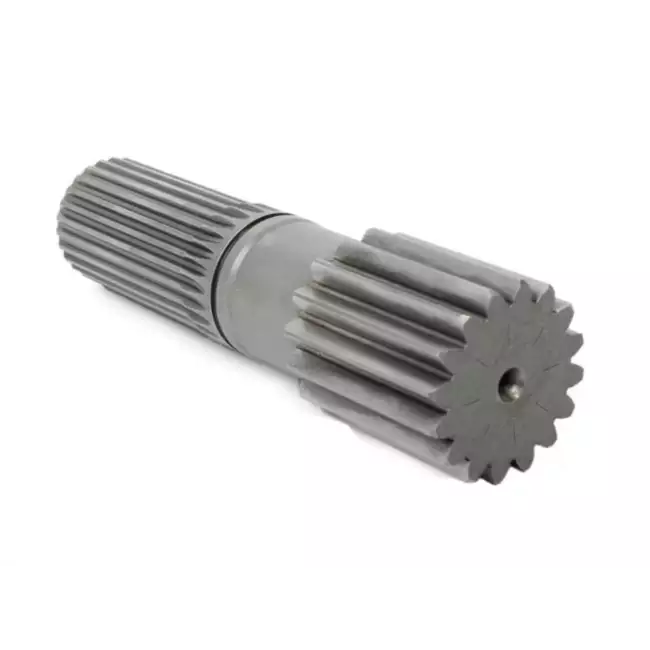
In conclusion, troubleshooting gear shaft overheating issues requires a systematic approach. By addressing factors such as lubrication, alignment, load management, and cooling, it is possible to mitigate overheating and ensure optimal gear system performance. Regular maintenance, adherence to manufacturer guidelines, and prompt resolution of identified issues are essential for preventing gear shaft overheating and maximizing the lifespan of the gear system.
Our company specializes in the production and sale of various types of gears and gear shafts. With years of experience in the industry, we have established ourselves as a leading supplier in the market. Here are five key advantages of choosing our company:
- High Quality: We prioritize the quality of our gears and gear shafts, ensuring that they meet industry standards and customer specifications.
- Wide Range of Options: We offer a diverse range of gear shafts to cater to different requirements and applications.
- Customization: Our team of experts can provide customized solutions, tailoring gear shafts to meet specific needs and preferences.
- Reliability: Our products are known for their durability and reliability, ensuring long-lasting performance in various mechanical systems.
- Competitive Pricing: We offer competitive prices without compromising on the quality of our gear shafts, making us a cost-effective choice.
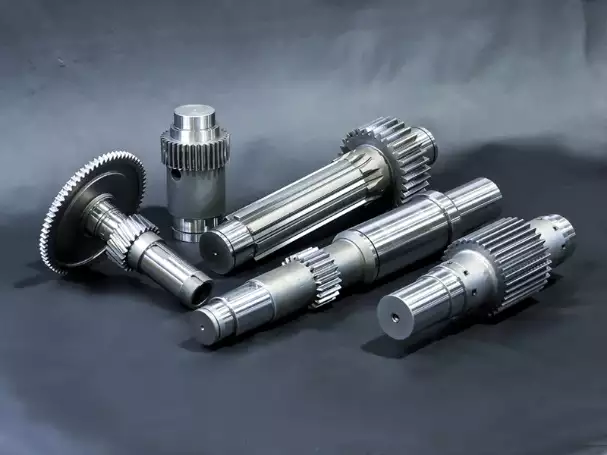
The Importance of Gear Shafts
Gear shafts play a crucial role in mechanical transmission systems. They are responsible for transmitting torque and rotational motion between gears, enabling smooth and efficient operation. Without properly functioning gear shafts, the entire system can experience overheating and performance issues.
Materials and Selection Criteria for Gear Shafts
When it comes to gear shafts, material selection is critical to ensure strength, durability, and resistance to wear. Some key factors to consider when choosing materials for gear shafts include:
- Strength and Hardness: The material should have sufficient strength and hardness to withstand the forces and loads encountered during operation.
- Wear Resistance: Gear shafts should be made from materials with good wear resistance to minimize the effects of friction and prolong the lifespan of the components.
- Fatigue Resistance: The material should have excellent fatigue resistance to withstand repeated loading and prevent premature failure.
Design Considerations for Gear Shafts
Designing gear shafts involves considering various factors to ensure optimal performance and reliability. Some key design considerations include:
- Proper Gear Engagement: The gear shaft should be designed to ensure smooth and accurate engagement with the mating gears, minimizing noise and wear.
- Shaft Diameter and Length: The diameter and length of the gear shaft should be appropriately determined based on the torque, speed, and load requirements of the application.
- Bearing Support: Proper bearing support is essential to minimize deflection and ensure smooth rotation of the gear shaft.
Our Gear Shaft Manufacturing Process
At our company, we follow a comprehensive manufacturing process to produce high-quality gear shafts. This includes:
- Machining: We utilize various machining techniques such as turning, milling, and grinding to achieve precise dimensions and surface finishes.
- Heat Treatment: Gear shafts undergo heat treatment processes such as quenching, tempering, and carburizing to enhance their mechanical properties and durability.
- Specialized Processes: We also offer specialized processes like gear hobbing and shaving to ensure accurate tooth profiles and smooth gear operation.
Applications and Failure Analysis of Gear Shafts
Gear shafts find application in numerous industries, including automotive, industrial machinery, and power transmission. Despite their importance, gear shafts can experience issues such as overheating, wear, and misalignment. Regular maintenance, proper lubrication, and alignment checks are crucial to prevent failures and prolong the lifespan of gear shafts.
Partnering with us means gaining access to our expertise, high-quality products, and reliable service. We are committed to meeting our customers’ needs and delivering solutions that ensure optimal performance and customer satisfaction.
Author: Miya