How to train technicians to diagnose swing gearbox issues through sound and tactile feedback?
Introduction
Swing gearbox is an essential component in excavators that allows the machine to swing or rotate. Owing to its critical role in the functioning of the excavator, any issues with the swing gearbox can have a significant impact on the overall performance of the equipment. One of the significant challenges in identifying problems with the swing gearbox is that they are not always visible to the naked eye. However, with proper training, technicians can use sound and tactile feedback to diagnose any issues with the gearbox.
Why is training essential?
1. Identifying hidden problems: Swing gearbox issues are not always visible, and technicians need to have the necessary training to identify them accurately.
2. Reducing equipment downtime: When technicians can identify problems early, they can fix them before they develop into more significant issues, reducing equipment downtime.
3. Enhancing equipment performance: Properly functioning swing gearboxes are crucial for the efficient operation of the excavator. Identifying and fixing any issues can enhance overall equipment performance.
Training Techniques
1. Sound feedback: Technicians can use the sound produced by the swing gearbox to detect any issues. Unusual sounds such as whining, humming, or grinding noises indicate that there might be a problem with the gearbox.
2. Tactile feedback: Technicians can also use their sense of touch to identify issues with the swing gearbox. They can place their hand on the gearbox while it is running to feel for any vibrations, heat, or irregularities.
3. Visual inspection: Technicians can also perform a visual inspection of the swing gearbox to identify any wear and tear, leaks, or other visible signs of damage.
4. Diagnostic tools: Specialized diagnostic tools such as vibration meters, temperature guns, and lubricant analysis equipment can also aid technicians in identifying any issues with the swing gearbox.
Our Company
Our company is a professional gearbox manufacturer with over 20 years of experience in the industry. Our extensive product line includes planetary gearboxes, worm gearboxes, helical gearboxes, bevel gearboxes, and more, suitable for agriculture, construction, special vehicles, industrial automation, and other fields. We pride ourselves on our precision manufacturing processes, innovation, flexibility in customization, quick response times, and excellent after-sales service.

When to replace a swing drive gearbox?
1. Unusual sounds: Any unusual sounds such as whining, humming, or grinding noises indicate that there might be a problem with the gearbox.
2. Vibrations: Excessive vibrations or shaking can indicate that some parts inside the gearbox may be loose or damaged.
3. Leakage: Any visible signs of oil or lubricant leakage around the gearbox indicate that there might be a problem.
4. Difficulty in swinging: If the excavator experiences difficulty in swinging or rotating, it might be due to a problem with the gearbox.
5. Decline in performance: If the excavator’s overall performance has declined, it might be due to issues with the gearbox.
Swing gearbox buying guide
When purchasing a swing gearbox, there are several parameters you need to consider to ensure compatibility with your excavator. These include:
| Parameter | Description |
|---|---|
| Swing speed | The rotational speed of the excavator’s swing gear. |
| Torque rating | The amount of torque that the gearbox can handle. |
| Mounting dimensions | The size and shape of the gearbox’s mounting flange and shaft. |
| Input power | The amount of power that the gearbox can handle. |
| Operating temperature | The temperature range that the gearbox can operate in. |
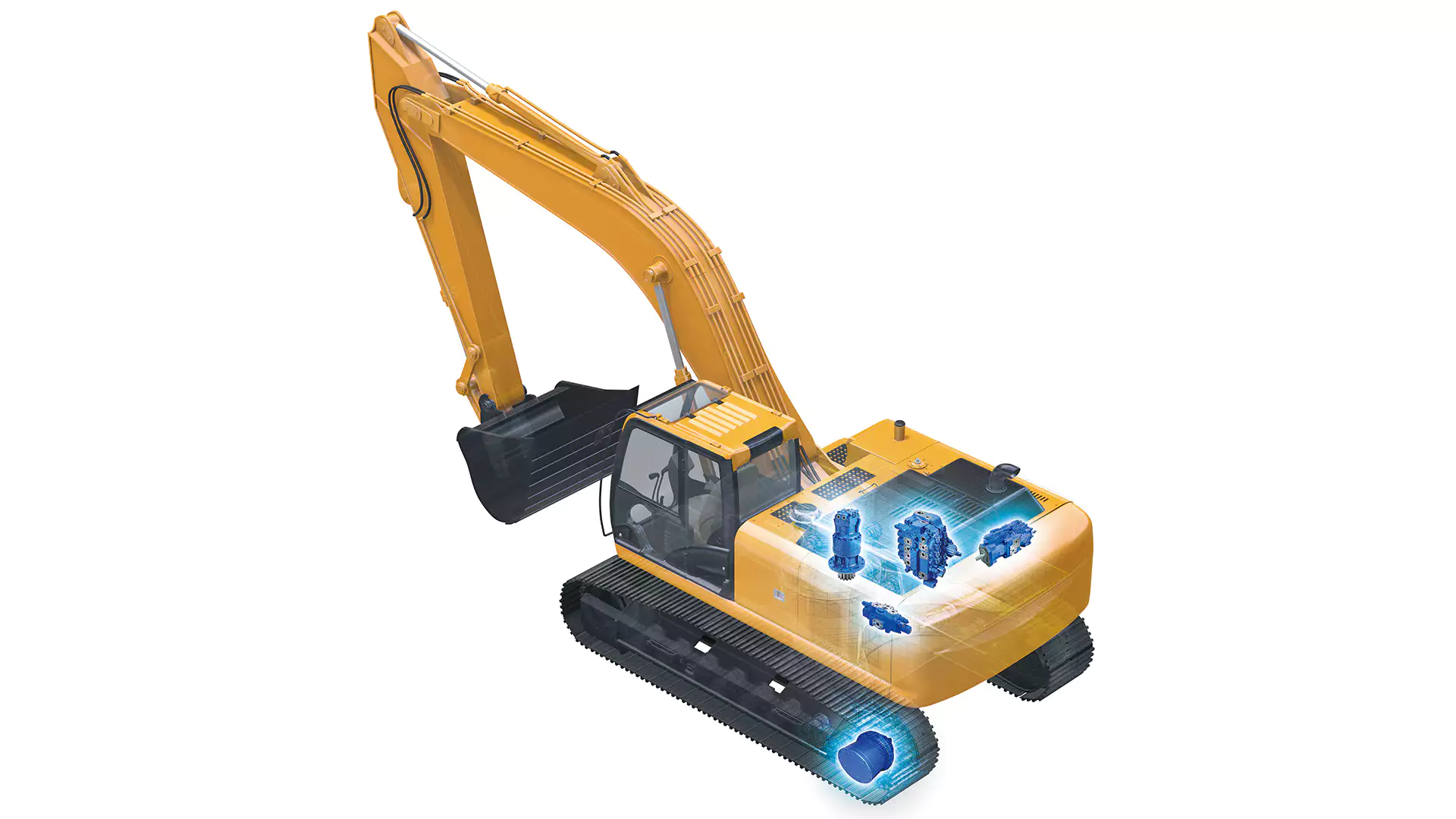
Compatible excavator models
Our swing gearbox is compatible with a wide range of excavator models, including:
1. Caterpillar
2. Komatsu
3. Hitachi
4. Volvo
5. Kobelco
Conclusion
Proper training is essential for technicians to diagnose swing gearbox issues accurately. By using sound and tactile feedback, along with visual inspection and specialized diagnostic tools, technicians can identify any problems early, reducing equipment downtime and enhancing overall equipment performance.