How to Tell if a Tensioner Pulley is Bad
The tensioner pulley, a vital component in your vehicle’s engine, is responsible for maintaining the correct tension on the drive belt. If this part fails or begins to malfunction, the car won’t operate as it should. Therefore, understanding how to detect a faulty tensioner pulley is imperative. Here is a comprehensive guide on how to tell if a tensioner pulley is bad.
Understanding the Function of a Tensioner Pulley
Before diving into the symptoms of a bad tensioner pulley, it’s important to understand its function. The tensioner pulley is an integral part of the engine’s serpentine belt system. It maintains the right amount of tension on the belt and ensures that all components in the system, such as the alternator, the power steering pump, and the air conditioner compressor, work smoothly and efficiently.
Signs of a Bad Tensioner Pulley
There are several symptoms that indicate a bad tensioner pulley. These symptoms may vary in severity depending on the extent of the damage or wear on the pulley. Here are some common signs:
1. Unusual Noises
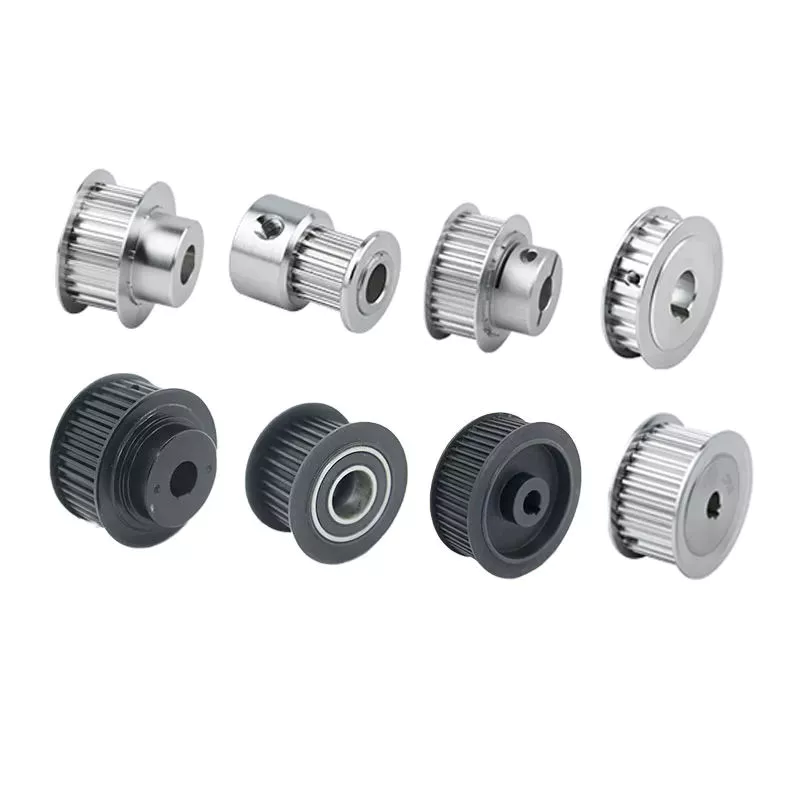
One of the first indicators that your tensioner pulley may be failing is the presence of unusual noises. A worn-out or defective pulley often produces a squealing or chirping noise, particularly when the engine is cold. This noise is due to the belt slipping on the pulley.
2. Visible Wear on the Belt
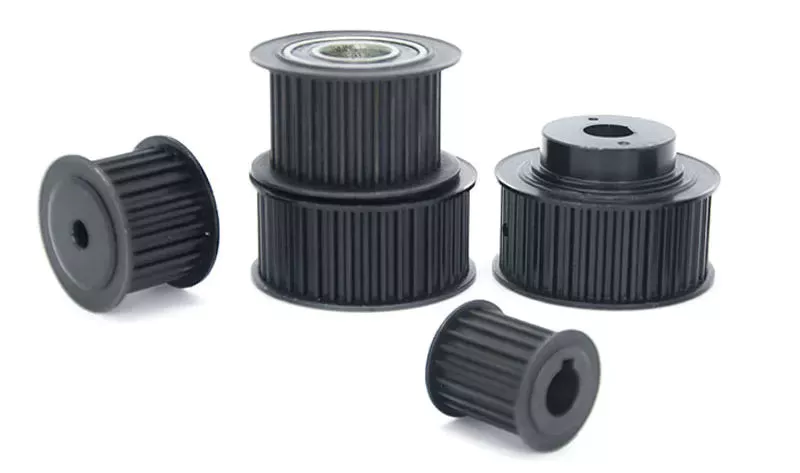
A bad tensioner pulley can cause visible wear and damage to the drive belt. The belt might show signs of fraying, cracking, or glazing. It’s important to inspect the belt closely, as this damage can lead to a loss of tension and cause the belt to slip off the pulley.
3. Engine Overheating
If your car’s engine is consistently overheating, it could be a sign that the tensioner pulley is not functioning properly. A malfunctioning pulley can cause the serpentine belt to lose tension, leading to poor water pump operation and subsequent engine overheating.
Testing the Tensioner Pulley
If you notice any of the above signs, it’s crucial to test your tensioner pulley to confirm whether it’s bad. One common method is the “deflection test,” which involves pushing the belt inward to see how much it moves. If the belt moves more than it should, it might indicate a problem with the tensioner pulley.
Replacing a Bad Tensioner Pulley
If your tensioner pulley is indeed faulty, replacement is the most effective solution. This process involves removing the old pulley and installing a new one. It’s recommended to also replace the drive belt during this process, especially if it shows signs of wear and tear.
Conclusion
Understanding the signs of a bad tensioner pulley and knowing how to test it is crucial in maintaining the health of your vehicle’s engine. If you suspect your tensioner pulley is bad, don’t hesitate to seek professional help. Regularly check your vehicle’s drive belt system, as preventative maintenance is the best way to avoid costly repairs and ensure your vehicle’s longevity.