How to retrofit gear shafts for improved performance in existing machinery?
Introduction
Gear shafts are essential components in machinery, responsible for transmitting power and enabling smooth operation. However, over time, the performance of gear shafts can deteriorate due to wear and tear, leading to decreased efficiency and potential breakdowns. Retrofitting gear shafts is a cost-effective solution to enhance performance and extend the lifespan of existing machinery. In this article, we will explore various techniques and considerations for retrofitting gear shafts to achieve improved performance.
1. Assessing Gear Shaft Condition
Before initiating the retrofitting process, it is crucial to thoroughly assess the condition of the gear shafts. This involves inspecting for signs of wear, corrosion, misalignment, or any other damages that may impact performance. Utilizing advanced non-destructive testing methods, such as ultrasonic inspection and magnetic particle testing, can provide valuable insights into the internal structure of the gear shafts.
2. Selecting Suitable Retrofitting Techniques
There are several retrofitting techniques available to enhance the performance of gear shafts:
2.1 Surface Coating
Applying specialized surface coatings, such as diamond-like carbon (DLC) or thermal spray coatings, can significantly improve the wear resistance and reduce friction on gear shafts. These coatings create a protective layer, enhancing durability and reducing the need for frequent maintenance.
2.2 Precision Machining
Precision machining involves the use of advanced CNC (Computer Numerical Control) machines to ensure precise dimensions and tolerances of gear shafts. This technique helps eliminate any inaccuracies or deviations, resulting in smoother and more efficient gear operation.
2.3 Material Upgrading
Upgrading the material of gear shafts to high-performance alloys or composite materials can enhance their strength, fatigue resistance, and overall performance. Materials like carbon fiber reinforced polymers (CFRP) or hardened steel alloys offer superior mechanical properties, contributing to improved gear shaft performance.
3. Optimizing Gear Shaft Design
Optimizing the design of gear shafts during the retrofitting process can yield significant performance improvements:
3.1 Reducing Backlash
Minimizing the backlash between gear teeth is crucial for improving the gear shaft’s efficiency. This can be achieved through precise tooth profiling, implementing anti-backlash mechanisms, or utilizing preloaded bearings.
3.2 Enhancing Lubrication System
An effective lubrication system is essential for reducing friction and heat generation in gear shafts. Upgrading the lubricant type or implementing advanced lubrication techniques, such as oil mist lubrication or circulating oil systems, can enhance the overall performance and longevity of gear shafts.
3.3 Balancing and Alignment
Proper balancing and alignment of gear shafts minimize vibration and noise while maximizing power transmission efficiency. Dynamic balancing techniques, laser alignment systems, and precision alignment fixtures can ensure optimal gear shaft performance.
4. Professional Installation and Testing
During the retrofitting process, it is vital to engage experienced professionals for the installation of retrofitted gear shafts. Additionally, comprehensive testing must be conducted to validate the performance enhancements and ensure that the retrofitting process has been successful. Testing methods such as load testing, vibration analysis, and thermal imaging can provide valuable data on the improved performance of gear shafts.
Conclusion
Retrofitting gear shafts is a highly effective approach to improve the performance of existing machinery. By assessing the gear shaft condition, selecting suitable retrofitting techniques, optimizing the design, and conducting professional installation and testing, machinery owners can achieve enhanced performance, increased efficiency, and extended lifespan. Embracing these retrofitting practices can lead to significant cost savings and improved productivity in various industries.

Our company specializes in the production and sale of various types of gears and gear shafts. With our expertise in the field, we offer several advantages that set us apart from the competition:
Advantages of Our Company:
- High-quality materials: We use only the finest materials for our gear shafts, ensuring durability and performance.
- Precision engineering: Our gear shafts are meticulously designed and manufactured to meet the highest standards of accuracy and efficiency.
- Customization options: We understand that different machinery requires specific gear shafts, so we offer tailored solutions to meet individual needs.
- Advanced technology: Our production processes incorporate the latest advancements in gear and gear shaft manufacturing, guaranteeing optimal performance.
- Reliable customer support: Our dedicated team is always available to provide assistance and guidance, ensuring a seamless experience for our customers.
The Importance of Gear Shafts
Gear shafts play a crucial role in mechanical transmission systems. They are responsible for transmitting power and motion between gears, ensuring smooth operation and efficient performance. Without properly functioning gear shafts, the entire machinery can experience significant issues and reduced productivity.
Materials and Selection Criteria for Gear Shafts
When selecting materials for gear shafts, several factors need to be considered. These include:
1. Strength and Durability
Gears shafts should be made from materials that can withstand the forces and stresses involved in the transmission process, ensuring long-lasting performance.
2. Wear Resistance
The material should have excellent wear resistance to withstand the repetitive motion and contact with other gears.
3. Machinability
The selected material should be easily machinable to achieve precise dimensions and tolerances during the manufacturing process.
4. Cost Effectiveness
The cost of the material should be reasonable, considering its performance, longevity, and availability.
Gear Shaft Manufacturing Process
Our gear shafts undergo a meticulous manufacturing process that includes:
1. Cutting Processes:
- Turning: This process involves shaping the gear shaft using a lathe machine.
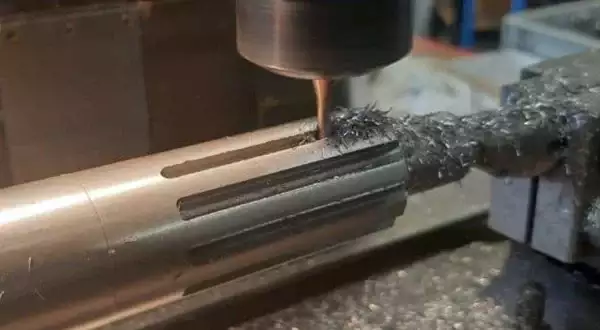
- Milling: Precise cuts and contours are achieved using milling machines.
- Grinding: The gear shaft undergoes grinding to achieve a smooth and precise finish.
2. Heat Treatment:
- Quenching: The gear shaft is heated and rapidly cooled to increase its hardness and strength.
- Tempering: This process reduces the brittleness of the shaft, enhancing its toughness.
- Carburizing: A carbon-rich surface layer is created to improve wear resistance.
3. Special Processes:
- Gear Rolling: The gear teeth are formed by rolling the gear shaft, ensuring high precision.
- Gear Shaving: The gear teeth are precisely cut to achieve the desired shape and smoothness.
Applications and Failure Analysis of Gear Shafts
Gear shafts find wide application in various industries, including automotive, manufacturing, and heavy machinery. However, they can also experience failures due to factors such as excessive load, improper lubrication, or material fatigue. To prevent such failures, regular maintenance, proper lubrication, and monitoring of operating conditions are essential.
Partnering with our company means gaining access to top-notch gear shafts that are designed for improved performance and reliability. With our expertise and commitment to customer satisfaction, we are confident in providing the best solutions for your gear shaft needs.
Author: Miya