How to repair a damaged spline shaft?
In the world of mechanical engineering, spline shafts play a crucial role in transmitting torque and rotational motion between two components. However, these vital components can sometimes face damage due to various reasons such as wear and tear, improper maintenance, or excessive loads. In this blog post, we will delve into the intricacies of repairing a damaged spline shaft and explore the steps involved in this meticulous process.
1. Assessing the damage
The first step in repairing a damaged spline shaft is to carefully assess the extent of the damage. This involves a comprehensive examination of the spline teeth, looking for signs of wear, cracks, or any other form of damage. Accurate assessment is crucial as it determines the repair approach to be undertaken.
2. Choosing the repair method
Based on the assessment, the appropriate repair method can be determined. There are several techniques available, including:
- Welding: In cases where the spline teeth are severely damaged, welding can be employed to build up the worn-out areas. This method involves carefully applying heat and adding material to restore the original shape and dimensions of the spline.
- Re-cutting: If the damage is minimal, re-cutting the spline teeth may be a viable option. This process involves removing a thin layer of material from the damaged teeth and reestablishing the proper shape and spacing of the spline.
- Sleeving: When the spline shaft has extensive damage, sleeving can be considered. This method involves placing a metal sleeve over the damaged portion of the spline, providing a new surface for mating with the corresponding component.
3. Preparation for repair
Before commencing the repair process, it is essential to prepare the spline shaft adequately. This includes cleaning the damaged area, removing any contaminants or debris, and ensuring a smooth surface for the repair process.
4. Implementing the repair
Once the preparation is complete, the chosen repair method can be implemented. This requires careful execution and adherence to the specific guidelines of the selected technique. Skilled technicians and specialized equipment are often employed to ensure precision during the repair process.
5. Post-repair evaluation
After the repair is completed, it is crucial to evaluate the effectiveness of the repair. This typically involves conducting rigorous tests to ensure the spline shaft can withstand the intended loads and rotational forces. Only after passing these tests can the repaired spline shaft be deemed fit for service.
Conclusion
Repairing a damaged spline shaft is a meticulous process that requires careful assessment, the right repair method, and skilled execution. It is vital to address the damage promptly to prevent further complications and maintain the optimal performance of mechanical systems. By following the steps outlined in this article, engineers and technicians can effectively repair damaged spline shafts, extending their lifespan and ensuring the smooth operation of machinery.
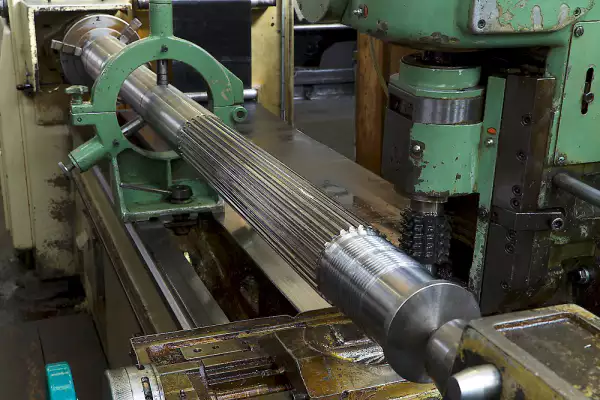
Our company specializes in the production and sale of various types of gears and spline shafts. With our extensive experience and knowledge in the industry, we are proud to offer several advantages that set us apart from our competitors:
Advantages of Choosing Our Company:
- High-Quality Products: We prioritize the use of top-notch materials and advanced manufacturing techniques to ensure the durability and reliability of our spline shafts.
- Customization Options: We understand that different applications require specific specifications. Therefore, we offer customizable spline shafts to meet the unique needs of our customers.
- Expertise in Spline Shaft Repair: Our team of experienced technicians is well-versed in repairing damaged spline shafts, providing cost-effective solutions to extend their lifespan.
- Timely Delivery: We understand the importance of meeting deadlines. With our efficient production processes and streamlined logistics, we ensure prompt delivery of orders.
- Competitive Pricing: We strive to offer competitive prices without compromising on the quality of our products. Our cost-effective solutions make us a preferred choice for many customers.
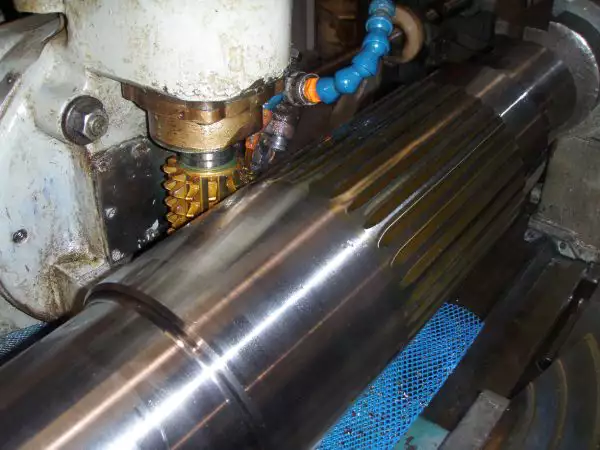
Spline Shaft Working Principle and Function
A spline shaft, also known as a splined shaft, is a mechanical component used to transmit torque in various applications. It consists of a series of ridges or teeth that interlock with corresponding grooves on mating parts, ensuring a secure and efficient power transmission.
Spline Shaft Design and Selection Guide
When it comes to designing and selecting a spline shaft, several factors need to be considered. These include the torque requirements, operating conditions, shaft material, spline profile, and the mating parts’ specifications. Proper design and selection ensure optimal performance and longevity of the spline shaft in the intended application.
Spline Shaft Manufacturing and Processing Techniques
The manufacturing and processing of spline shafts involve various techniques, such as cutting, grinding, heat treatment, and finishing. Each step is crucial to ensure the dimensional accuracy, surface finish, and overall quality of the spline shaft. Our company employs advanced manufacturing technologies and adheres to strict quality control measures to produce spline shafts of the highest standards.
Spline Shaft Applications and Industry Practices
Spline shafts find extensive applications in industries such as automotive, aerospace, machinery, and more. They are commonly used in power transmission systems, gearboxes, pumps, and other machinery where precise torque transmission is essential. Our spline shafts have been widely adopted in various industries, contributing to improved performance and efficiency.
Partnering with us means accessing top-quality spline shafts, tailored solutions, and reliable support. We are committed to delivering customer satisfaction and establishing long-term partnerships. Contact us today to discuss your requirements and discover how we can assist you.
Author: Miya