How to Reduce Noise Generated by Cast Iron Chains?
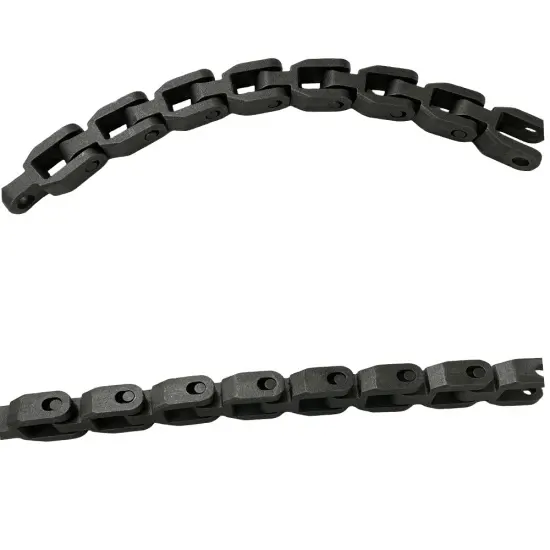
Noise Reduction Techniques for Cast Iron Chains
1. Lubrication: Ensuring proper lubrication is essential to reduce noise generated by cast iron chains. By using high-quality lubricants specifically designed for chain applications, you can minimize friction and noise.
2. Chain Tension: Maintaining optimal chain tension is crucial for noise reduction. Improper tension can lead to excessive noise due to vibration and irregular movement. Regularly check and adjust the tension to keep it within the recommended range.
3. Chain Alignment: Proper alignment of the chain with sprockets is vital for noise reduction. Misalignment can cause the chain to rub against the sprockets, resulting in increased noise. Regularly inspect and align the chain to ensure smooth operation.
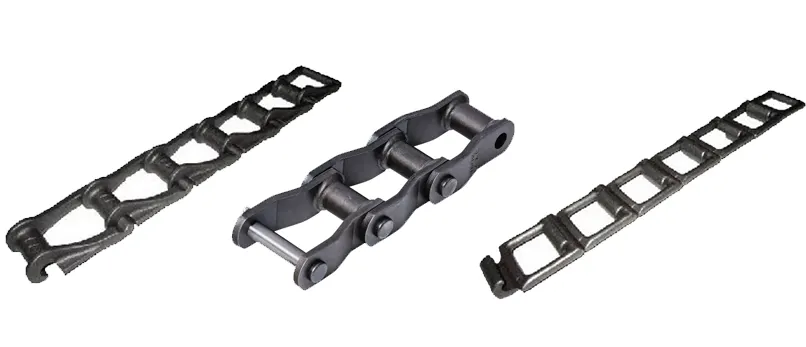
Factors Affecting Noise Generation in Cast Iron Chains
1. Chain Material: The choice of material for cast iron chains plays a significant role in noise generation. Opting for chains made from high-quality cast iron with excellent sound-damping properties can help reduce noise levels.
2. Chain Design: The design of the chain, including its shape and configuration, can impact noise generation. Chains with specialized noise reduction features, such as modified link shapes or cushioning elements, can effectively reduce noise.
3. Operating Speed: The operating speed of the chain can influence noise levels. Higher speeds tend to generate more noise compared to lower speeds. Consider adjusting the speed within the recommended range to minimize noise.
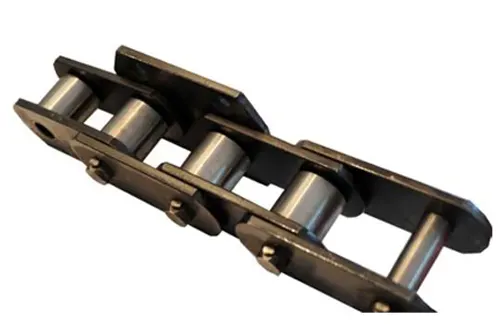
Benefits of Noise Reduction in Cast Iron Chains
1. Enhanced Workplace Safety: Reduced noise levels in industrial settings contribute to a safer working environment, minimizing the risk of noise-induced hearing loss and other related health issues.
2. Improved Productivity: Lower noise levels help foster a more comfortable working environment, leading to increased productivity and better concentration among workers.
3. Compliance with Regulations: Noise reduction measures in industrial operations ensure compliance with local regulations and standards regarding noise pollution levels.
Sprockets for Cast Iron Chains
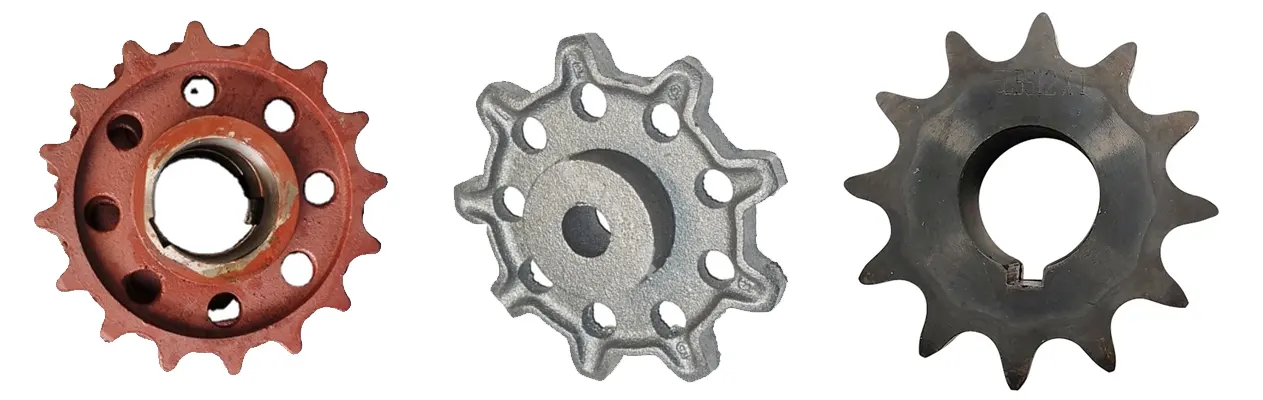
Cast iron chains and sprockets form an integral system in various industrial applications. The sprockets, designed to engage with the cast iron chains, enable smooth power transmission and precise movement. At Ever-power, we offer a wide range of sprockets suitable for cast iron chains, ensuring compatibility and optimal performance. Our sprockets are meticulously engineered using top-quality materials, ensuring durability and longevity. Whether you require standard or customized sprockets, we have the expertise and capabilities to meet your specific requirements. Explore our range of sprockets for cast iron chains and experience reliable performance and exceptional quality.

Sprockets Q&A:
Q: Can I use the same sprockets for different sizes of cast iron chains?
A: It is recommended to use sprockets specifically designed for the size and pitch of your cast iron chains. Using different sizes of chains with the same sprockets can lead to improper engagement and premature wear, resulting in reduced performance and potential chain failure.
Q: How often should I replace the sprockets?
A: The replacement frequency of sprockets depends on various factors, such as operating conditions, chain speed, and maintenance practices. Regular inspections should be conducted to monitor sprocket wear. If significant wear or damage is detected, it is advisable to replace the sprockets promptly to ensure optimal performance and prevent chain damage.
Q: Can I reuse old sprockets with a new set of cast iron chains?
A: The reuse of old sprockets with new chains is generally not recommended. Even minor wear on the sprocket teeth can cause premature chain wear and poor engagement. To ensure optimal performance and longevity, it is advisable to use new, properly matched sprockets with new cast iron chains.
Edited by Zqq.