How to Quiet a Noisy Idler Pulley: A Comprehensive Guide
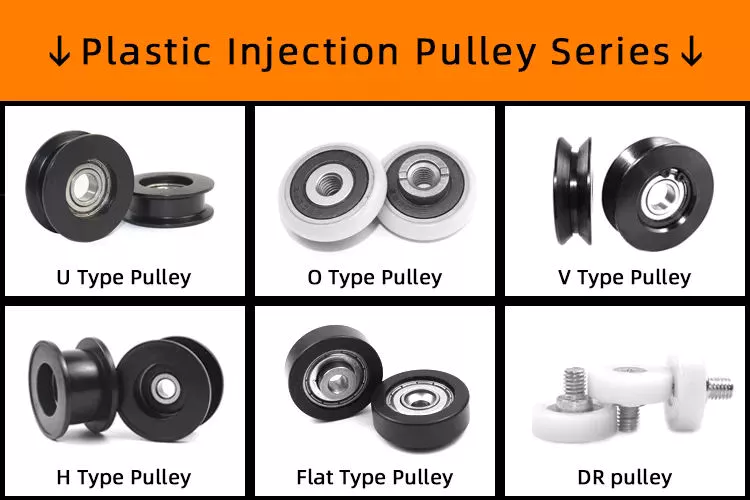
Idler pulleys are an integral component of your vehicle’s serpentine belt system. They ensure the smooth operation of various components like the alternator, power steering pump, air conditioner compressor, and more. However, when these idler pulleys start making noise, it is often a sign of trouble. This article provides a comprehensive guide on how to quiet a noisy idler pulley and also discusses preventive measures to avoid future issues.
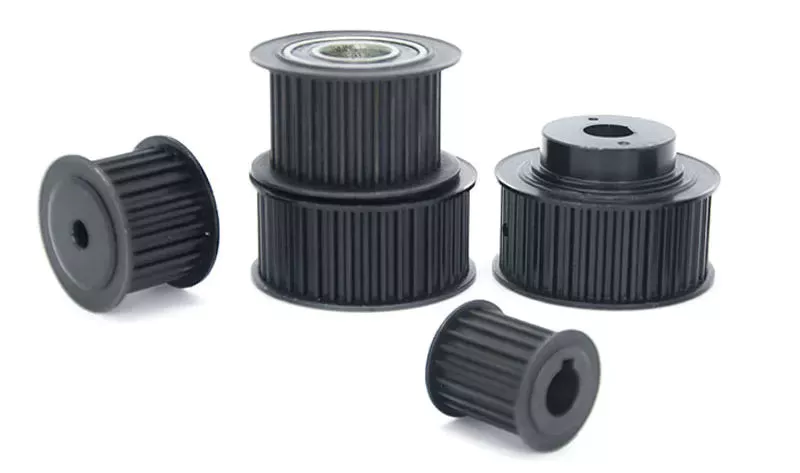
Understanding the Role of the Idler Pulley
The idler pulley is a critical component of your vehicle’s serpentine belt system. Its primary function is to guide and maintain tension on the belt as it rotates around the various engine accessories. When functioning correctly, the idler pulley helps ensure that these components operate smoothly and efficiently.
Identifying the Problem: Signs of a Noisy Idler Pulley
A noisy idler pulley is not something to ignore. The noise can be due to wear and tear, misalignment, or even bearing failure. Common signs of a problematic idler pulley include squeaky or whining noise, decreased vehicle performance, or even a visible wobble in the pulley. If you notice any of these symptoms, it’s essential to address the issue promptly to prevent further damage.
How to Quiet a Noisy Idler Pulley: A Step-by-Step Guide
Step 1: Diagnose the Issue
Before attempting any repairs, it’s essential to diagnose the problem accurately. Use a mechanic’s stethoscope to listen to the pulley while the engine is running. If the noise is coming from the idler pulley, it’s likely due to bearing wear or a misalignment issue.
Step 2: Gather Required Tools
Once you’ve determined that the idler pulley is the cause of the noise, gather the necessary tools for the job. These typically include a socket set, a wrench, a new idler pulley, and a serpentine belt if needed.
Step 3: Replace the Idler Pulley
Start by loosening the tension on the serpentine belt and removing it from the idler pulley. Then, remove the bolt holding the pulley in place and replace it with the new one. Be sure to align it correctly to avoid future issues. Once installed, reattach the serpentine belt and adjust the tension as needed.
Step 4: Test the Installation
After replacing the idler pulley, start the engine and listen for any unusual noises. If the noise persists, it may be due to another issue within the serpentine belt system.
Preventive Measures to Avoid a Noisy Idler Pulley
Regular maintenance and inspection of your vehicle’s serpentine belt system can help prevent a noisy idler pulley. Ensure the pulley is aligned correctly and replace it every 50,000 to 100,000 miles as a preventive measure. Additionally, avoid harsh driving conditions that could lead to excessive wear and tear.
Conclusion
Addressing a noisy idler pulley promptly can prevent further damage and costly repairs. With the right tools and a little patience, you can quiet a noisy idler pulley and ensure your vehicle continues to operate smoothly and efficiently.
References
Remember, if you’re unsure about any aspect of this procedure, seek professional assistance. It’s important to prioritize your safety and the longevity of your vehicle.