Introduction
In the field of material handling, optimizing conveyor chain speed is crucial for efficient and safe operations. By understanding the characteristics of different materials and adjusting the chain speed accordingly, operators can minimize downtime, reduce wear and tear, and improve overall productivity. In this article, we will explore various factors to consider when optimizing conveyor chain speed for different materials.
Factors Affecting Conveyor Chain Speed
1. Material Density
2. Moisture Content
3. Abrasiveness
4. Temperature
5. Friction Coefficient
6. Conveyor Inclination
7. Chain Type and Design
8. Drive System
9. Conveyor Length
10. Load Capacity
Optimizing Conveyor Chain Speed for Different Materials
1. Material Density
When dealing with materials of varying densities, adjusting the conveyor chain speed is essential. For lighter materials, such as powders, increasing the speed can prevent material accumulation and ensure smooth flow. Conversely, heavy materials may require slower speeds to avoid overloading the conveyor system.
2. Moisture Content
The moisture content of the material affects its flowability and stickiness. Moist materials tend to adhere to the chain, leading to conveyor jams and reduced efficiency. By adjusting the chain speed to strike a balance between material flow and adhesion prevention, operators can optimize the conveyor’s performance.
3. Abrasiveness
Abrasive materials, such as sand or gravel, can cause excessive wear on conveyor chains. To prolong chain life, reducing the speed can minimize the impact and friction between the chain and the material. Additionally, using specially designed abrasion-resistant chains can further enhance durability.
4. Temperature
Extreme temperatures can affect the performance of conveyor chains. For high-temperature applications, selecting heat-resistant chains and reducing the speed can prevent chain elongation and premature failure. Similarly, low-temperature environments may require lubrication and adjustments to maintain optimal chain flexibility.
5. Friction Coefficient
The friction coefficient between the material and the chain surface impacts the conveyor’s efficiency. By optimizing the chain speed based on the material’s friction characteristics, operators can minimize energy consumption and ensure smooth material flow.
6. Conveyor Inclination
When dealing with inclined conveyors, adjusting the chain speed is crucial to prevent material spillage or sliding. A slower speed can enhance stability and prevent material accumulation, while a faster speed may be necessary for efficient transport on steep inclines.
7. Chain Type and Design
The type and design of the conveyor chain play a significant role in optimizing speed for different materials. Chains with larger pitch sizes and stronger construction are suitable for heavy-duty applications, while chains with smaller pitch sizes and lighter construction are more suitable for lighter materials.
8. Drive System
The drive system, whether it’s a motor or a gearbox, directly affects the conveyor chain speed. By choosing the appropriate drive system and adjusting the speed settings, operators can achieve the desired conveyor performance for different material handling requirements.
9. Conveyor Length
Longer conveyors may require adjustments in chain speed to maintain consistent material flow throughout the system. By monitoring the material’s progression along the conveyor and making speed adjustments accordingly, operators can prevent bottlenecks and ensure efficient operations.
10. Load Capacity
The load capacity of the conveyor directly impacts the chain speed. Overloading the system can lead to increased wear and reduced chain life. By optimizing the speed based on the load capacity, operators can maximize conveyor efficiency and minimize downtime.
Conclusion
Optimizing conveyor chain speed for different materials is crucial for efficient material handling operations. By considering factors such as material density, moisture content, abrasiveness, temperature, friction coefficient, conveyor inclination, chain type and design, drive system, conveyor length, and load capacity, operators can achieve optimal performance and extend the lifespan of the conveyor system.
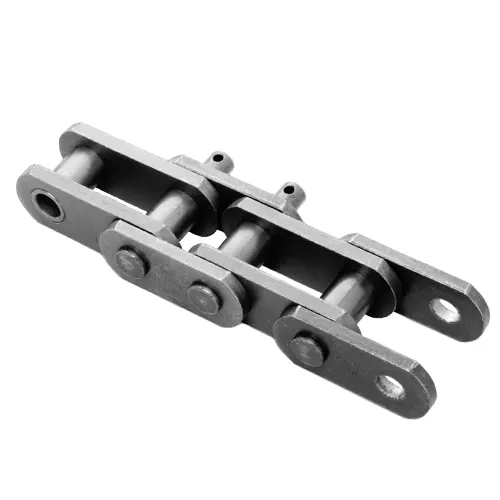
Image: Feeder Breaker Conveyor Chain
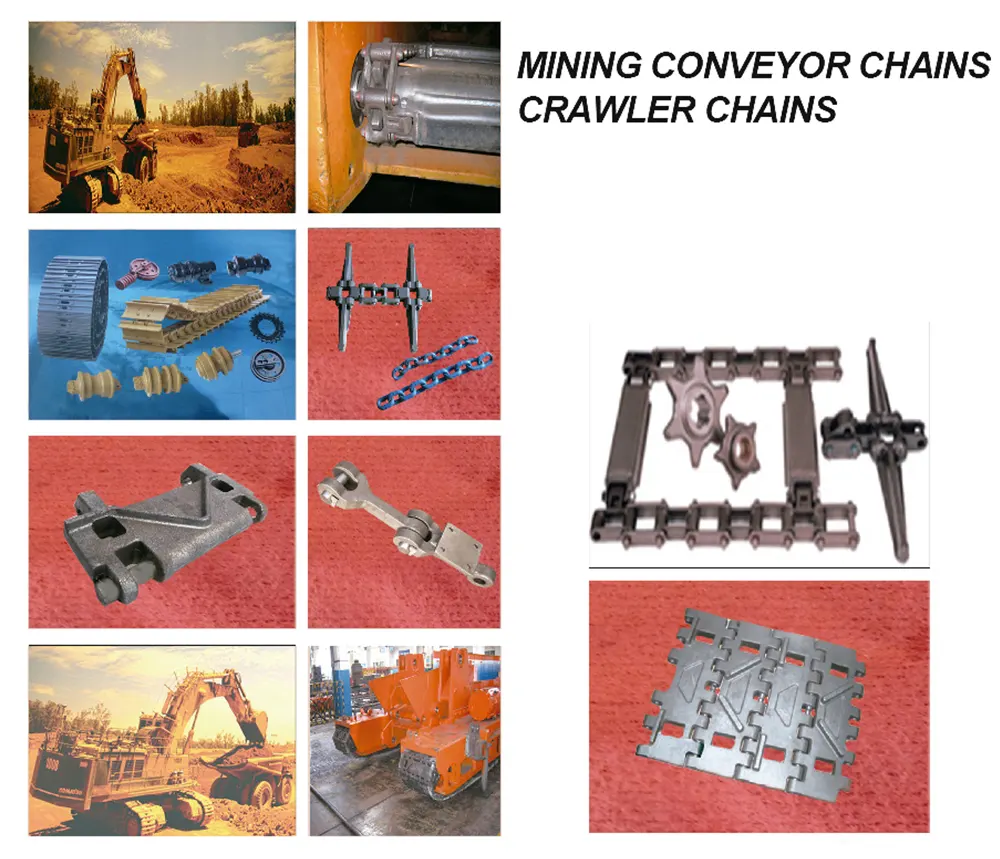
Image: Coal Mining Chain
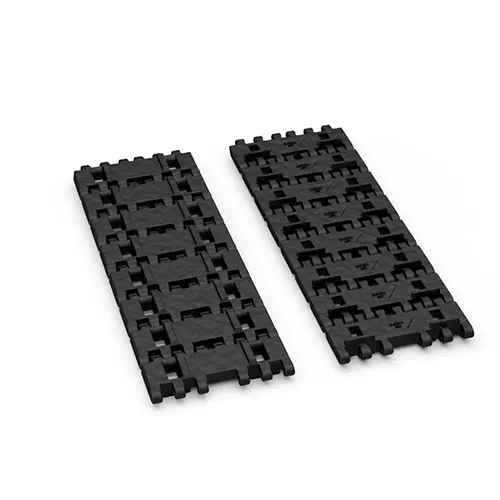
Image: Crawler Chain
Sprockets for Mining Chains
Sprockets and mining chains go hand in hand when it comes to efficient material handling in mining operations. Sprockets provide the necessary traction and control for the mining chain, ensuring smooth and reliable movement of materials. The relationship between sprockets and mining chains is symbiotic, as the sprockets rely on the chains for power transmission, while the chains rely on the sprockets for guidance and support.
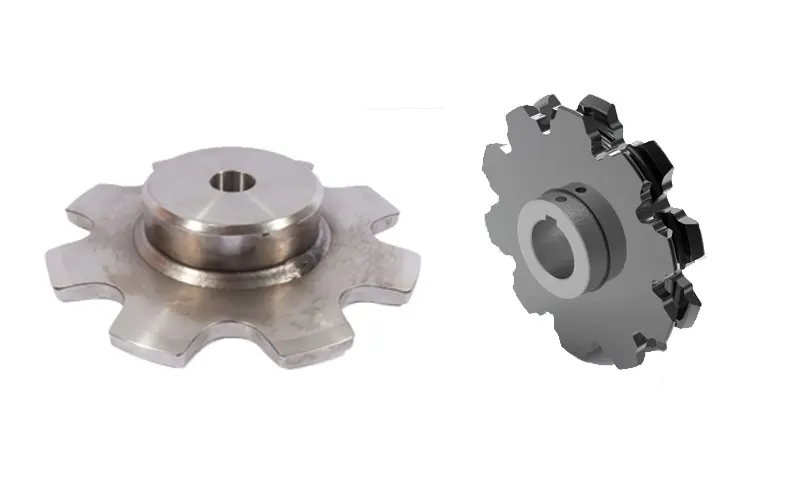
Image: Mining Chain Sprocket
About Ever-power
Ever-power is a leading manufacturer of mining chains, known for our superior quality and reliable products. Our mining chains are designed to withstand the harshest conditions and deliver exceptional performance in demanding mining applications. With a strong emphasis on customer satisfaction, we have built a solid reputation in Europe and America, serving renowned clients in the mining industry.
Our key advantages include:
- High-quality products
- Competitive pricing
- Unmatched production capabilities
- Superior customer service
- Wide range of mining chain options
- Experienced and knowledgeable team

Image: Ever-power Chain Factory
Daily Maintenance of Mining Chains
Proper maintenance is essential to ensure the longevity and optimal performance of mining chains. Here are five key maintenance practices:
- Regular lubrication to reduce friction and prevent wear
- Periodic inspection for signs of damage or wear
- Tension adjustment to maintain the proper chain tension
- Replacement of worn-out or damaged components
- Proper storage to protect chains from environmental factors
Q&A
Q: How often should mining chains be lubricated?
A: Lubrication frequency depends on the operating conditions and the type of chain used. Generally, lubrication should be performed at regular intervals to ensure smooth operation and prevent premature wear. Consult the chain manufacturer’s recommendations for specific lubrication intervals.
Q: What are the common signs of chain wear?
A: Common signs of chain wear include elongation, increased noise during operation, uneven wear on sprocket teeth, and visible signs of damage or corrosion. Regular inspection and monitoring can help identify these signs and take appropriate maintenance measures.
Q: How can I extend the lifespan of mining chains?
A: To extend the lifespan of mining chains, proper maintenance is crucial. This includes regular lubrication, inspection, tension adjustment, timely replacement of worn-out components, and proper storage. Additionally, using high-quality chains and sprockets designed for the specific application can significantly enhance durability.
Edited by: Zqq.