Introduction
When it comes to coal mining conveyor chains, measuring the tension is crucial for maintaining safety and operational efficiency. In this article, we will explore the various methods and tools used to measure tension in a conveyor chain. Understanding the tension in the chain is essential for preventing accidents, minimizing downtime, and optimizing the chain’s lifespan. Let’s dive into the details!
1. Importance of Tension Measurement
Measuring the tension in a coal mining conveyor chain is of utmost importance for several reasons:
- Ensuring safe operation and preventing chain failure
- Optimizing the chain’s lifespan and reducing maintenance costs
- Minimizing downtime and maximizing productivity
Now, let’s explore the different methods used to measure tension in a coal mining conveyor chain.
2. Method 1: Chain Tension Gauge
The chain tension gauge is a widely used tool for measuring the tension in a conveyor chain. It consists of a gauge head and a reference rod. To measure the tension, follow these steps:
- Place the gauge head on the chain and align the reference rod parallel to the chain.
- Apply tension to the chain until it matches the desired operating tension.
- Read the tension value displayed on the gauge head.
Using a chain tension gauge provides a quick and accurate measurement of the tension in the conveyor chain.
3. Method 2: Load Cell
Another method for measuring chain tension is by using a load cell. A load cell is a sensor that measures the force applied to it. To measure tension using a load cell, follow these steps:
- Attach the load cell to a fixed point, such as a support beam.
- Connect the load cell to the conveyor chain using a tension measuring device.
- Apply tension to the chain, and the load cell will measure the force.
The load cell provides an accurate measurement of the tension by directly measuring the force applied to the chain.
4. Method 3: Sonic Tension Meter
A sonic tension meter is a non-contact device that measures the natural frequency of the chain. This method is suitable for measuring tension in long conveyor chains. To measure tension using a sonic tension meter, follow these steps:
- Hold the device close to the chain and activate the measurement mode.
- The device will emit an acoustic signal and measure the chain’s natural frequency.
- Based on the measured frequency, the device calculates the tension in the chain.
The sonic tension meter provides a convenient and reliable measurement of tension without the need for physical contact with the chain.
5. Method 4: Visual Inspection
In addition to specialized measuring tools, visual inspection can also provide valuable insights into the tension of a coal mining conveyor chain. During regular maintenance checks, look for these indicators:
- Sagging or excessive slack in the chain
- Visible signs of wear or stretching
- Noise or vibrations during operation
If any of these signs are present, it may indicate insufficient tension in the chain and further measurement and adjustment are necessary.
Image Source: Ever-power
Image Source: Ever-power
Image Source: Ever-power
Sprockets for Mining Chains
Sprockets play a crucial role in the operation of mining chains. They ensure a smooth and efficient movement of the chain along the conveyor system. The relationship between mining chains and sprockets is interdependent and of utmost importance for optimal performance. Here are some key aspects of their relationship:
- Perfect Sprocket Tooth Profile: The sprocket’s tooth profile must match the chain’s pitch and tooth shape to ensure smooth engagement and prevent premature wear.
- Ensuring Chain Alignment: Proper alignment between the chain and sprocket is critical to avoid misalignment-related issues, such as increased wear and chain derailment.
- Proper Lubrication: Both the chain and sprocket require adequate lubrication to minimize friction, reduce wear, and maintain optimal performance.
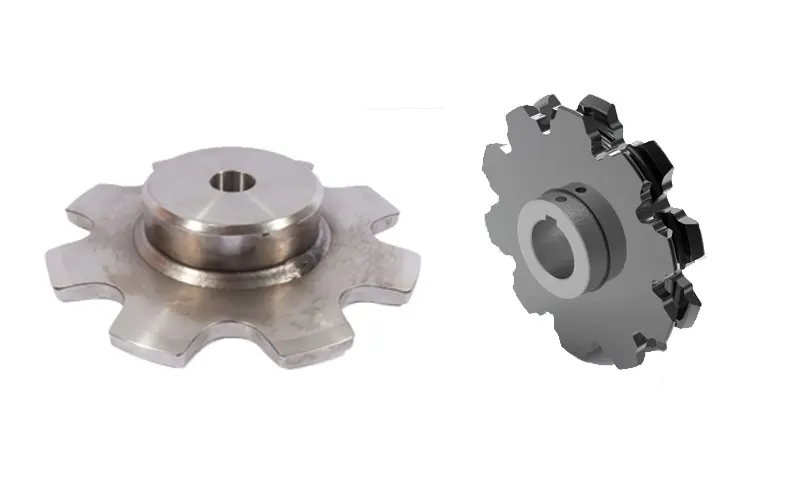
Image Source: Ever-power
About Ever-power
Ever-power is a leading manufacturer and supplier of mining chains, specializing in high-quality products designed to withstand harsh mining environments. Here are some advantages of choosing Ever-power for your mining chain needs:
- Superior Product Quality: Our mining chains are manufactured using premium materials and undergo rigorous quality control to ensure durability and reliability.
- Exceptional Production Capability: With state-of-the-art facilities and advanced manufacturing processes, Ever-power has the capacity to meet the demands of mining operations of all sizes.
- Prestigious Clients in Europe and America: We have established long-term partnerships with renowned mining companies in Europe and America, demonstrating our commitment to excellence.
- Comprehensive Services: Our dedicated team provides personalized support, technical expertise, and prompt assistance to ensure customer satisfaction.
- Competitive Pricing: Ever-power offers competitive prices without compromising on product quality, providing excellent value for our customers.

Image Source: Ever-power
Daily Maintenance of Mining Chains
Proper maintenance is essential to ensure the longevity and optimal performance of mining chains. Here are five key points for daily maintenance:
- Frequent Lubrication: Apply high-quality lubricants to the chain regularly to reduce friction, prevent wear, and protect against corrosion.
- Visual Inspection: Regularly inspect the chain for signs of wear, stretching, or damage. Replace any worn-out or damaged components promptly.
- Tension Adjustment: Measure the tension in the chain periodically and adjust it to the recommended value using appropriate tools.
- Cleanliness: Keep the chain and surrounding areas clean and free from debris or contaminants that could affect its performance.
- Record Keeping: Maintain a detailed record of maintenance activities, including lubrication schedules, tension measurements, and any issues encountered.
Q&A: Mining Chain Maintenance
Q: How often should I lubricate the mining chain?
A: Lubrication frequency depends on various factors, such as operating conditions and chain type. However, a general guideline is to lubricate the chain every 8 to 12 hours of operation.
Q: Can I use any lubricant for mining chains?
A: No, it is essential to use lubricants specifically designed for mining chains. These lubricants offer superior protection against extreme conditions and provide optimal performance.
Q: What should I do if I notice excessive wear on the chain?
A: Excessive wear indicates the need for immediate action. Contact Ever-power’s technical support team for guidance on replacement options and preventive measures.
Edited by: Zqq.