Introduction
In order to maximize the efficiency of a greenhouse worm reducer, it is important to understand how to measure its performance. By assessing various parameters and factors, one can determine the effectiveness of the worm reducer in greenhouse operations. This article will explore the different aspects to consider when measuring the efficiency of a greenhouse worm reducer and highlight its significance in optimizing greenhouse productivity.
1. Worm Gear Ratio and Efficiency
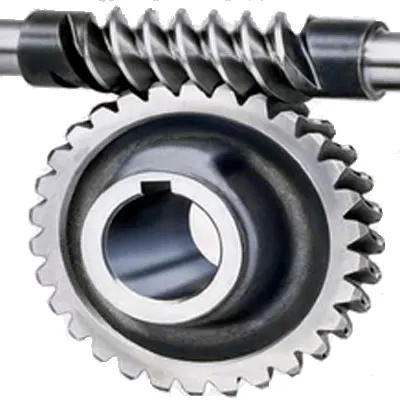
The worm gear ratio plays a critical role in the overall efficiency of a greenhouse worm reducer. This ratio determines the speed reduction capabilities of the reducer and impacts the power transmission efficiency. It is calculated by dividing the number of teeth on the worm gear by the number of threads on the worm shaft. A higher gear ratio can provide greater torque output, but it may also result in lower efficiency due to increased friction and heat generation.
2. Worm Gear Material and Lubrication
The material used for the worm gear and the lubrication applied are crucial factors in determining the efficiency of a greenhouse worm reducer. High-quality materials with excellent wear resistance and low friction coefficients, such as hardened steel or bronze alloys, are commonly utilized. Proper lubrication ensures smooth operation and minimizes power losses due to friction. Regular maintenance and lubricant replacement are essential to maintain optimum efficiency.
3. Backlash and Efficiency
Backlash refers to the play or clearance between the worm gear and the worm shaft. Excessive backlash can result in reduced efficiency as it causes vibrations, noise, and energy losses. Therefore, it is important to measure and control the backlash within acceptable limits. This can be achieved by proper alignment, accurate manufacturing tolerances, and utilizing anti-backlash mechanisms.
4. Worm Reducer Efficiency Testing
Efficiency testing is a crucial step in measuring the performance of a greenhouse worm reducer. Various methods can be employed to evaluate its efficiency, including thermal testing, efficiency calculation, and load testing. Thermal testing measures the heat generated during operation and can indicate energy losses. Efficiency calculation involves comparing the input and output power to determine the overall efficiency percentage. Load testing involves applying different loads and measuring the power consumed, providing insights into the reducer’s efficiency under various operating conditions.
5. Importance of Efficient Greenhouse Worm Reducers
Efficient greenhouse worm reducers play a vital role in enhancing overall greenhouse productivity and sustainability. By optimizing power transmission, reducing energy losses, and ensuring smooth operation, they contribute to cost savings, increased crop yield, and reduced environmental impact. Investing in high-quality and efficient worm reducers can lead to improved greenhouse performance and profitability.
Electric motors for Sale
Electric motors and greenhouse worm reducers are interdependent components that work together to achieve optimal greenhouse operations. Electric motors provide the necessary power to drive the worm reducer, enabling the transmission of torque and rotational motion. The efficiency of the worm reducer directly affects the performance of the electric motor, while the motor’s power output influences the overall efficiency of the worm reducer. Therefore, a synergistic relationship exists between electric motors and greenhouse worm reducers, making both components essential for greenhouse productivity.

About Our Company
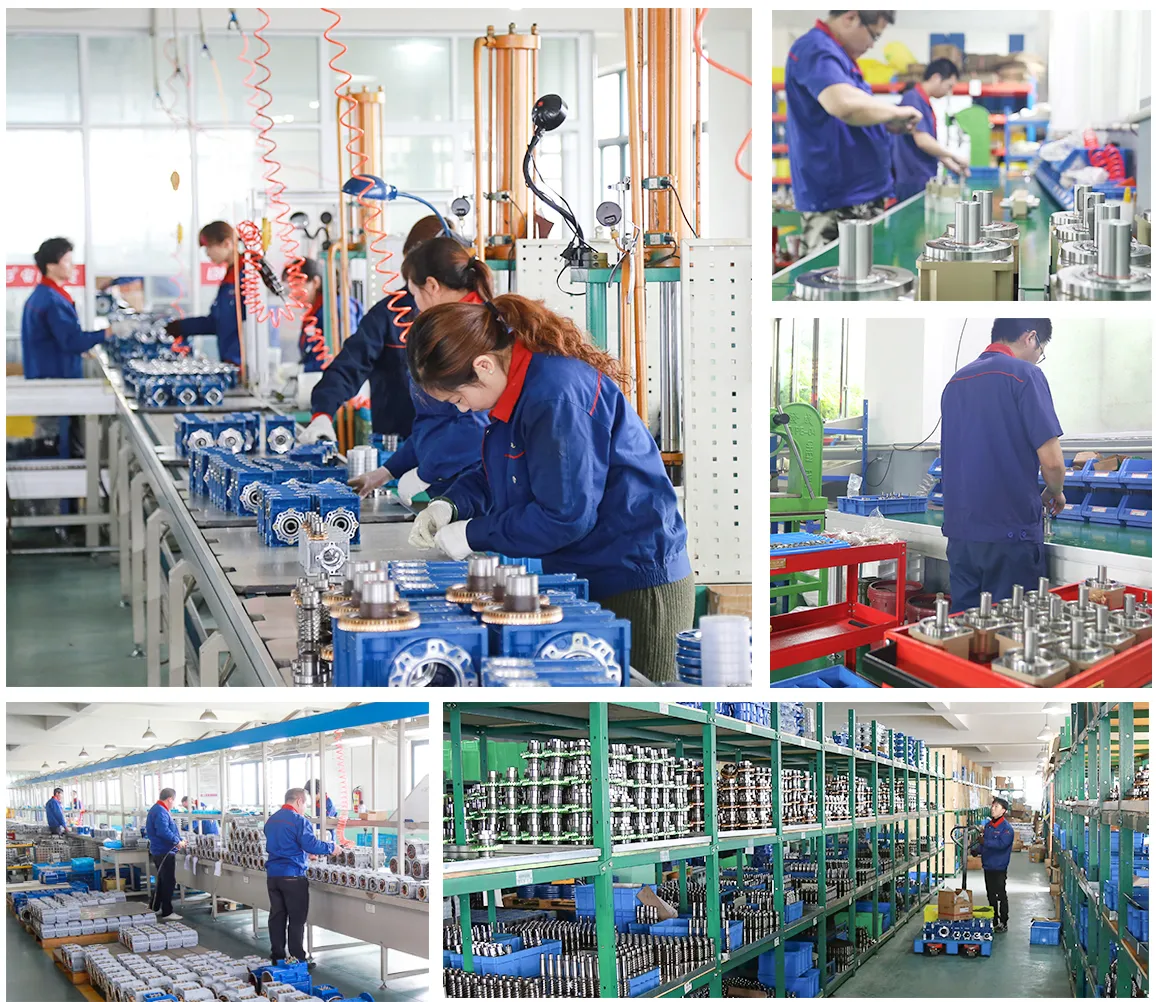
We are a comprehensive transmission equipment manufacturer integrating research and development, manufacturing, and sales of speed reducers. With over 15 years of experience, we specialize in designing, producing, and selling high-quality gearboxes to customers worldwide. Our company has earned a reputable position in the market, serving clients in Europe, America, Africa, Asia, and beyond. We pride ourselves on providing top-notch service, the highest product quality, and competitive prices.
Equipped with advanced production and testing equipment, we ensure the superior performance and durability of our gearboxes. Our team of industry professionals and technicians is dedicated to innovative research and development, continuously improving our products. Implementing standardized production management methods, we maintain strict control over every aspect of reducer production, guaranteeing high energy efficiency, stability, and reliability.
Our gearboxes find wide applications in various industries, including equipment, food processing, car washing, packaging, transmission, automation, and solar energy. We welcome customers to explore our products and contact us for purchase inquiries.
Q&A Section
Q: How often should the lubricant in a greenhouse worm reducer be replaced?
A: The frequency of lubricant replacement depends on various factors such as operating conditions, load, and temperature. It is recommended to consult the manufacturer’s guidelines and perform regular inspections to determine the optimal lubricant replacement interval.
Q: Can a greenhouse worm reducer with a higher gear ratio operate more efficiently?
A: While a higher gear ratio may provide greater torque output, it can also lead to increased friction and heat generation, resulting in lower efficiency. Finding the balance between torque requirements and efficiency is essential when selecting a greenhouse worm reducer.
Q: How can I minimize backlash in a greenhouse worm reducer?
A: Minimizing backlash can be achieved through proper alignment of the worm gear and the worm shaft, accurate manufacturing tolerances, and the use of anti-backlash mechanisms. Regular maintenance and inspection are also crucial to detect and address any backlash issues promptly.
Edited by: Zqq.