How to Measure a Pulley Size
If you’re looking to replace a pulley in a machine or piece of equipment, or if you’re involved in a project that requires a specific pulley size, it is crucial to understand how to accurately measure a pulley. The process involves taking note of several critical dimensions, including the outside diameter, inside diameter, and the width of the pulley. This guide will take you through the steps one by one, helping you to obtain accurate measurements.
Understanding a Pulley
A pulley is a simple machine that is used to lift heavy objects, reduce the effort needed to move objects, or change the direction of force. It consists of a wheel on an axle that is designed to support movement and change of direction using tensioned strings or ropes. The size of a pulley can significantly impact its performance and the overall efficiency of the machine it is part of.
Tools Needed to Measure a Pulley
Before you start, you will need a few basic tools. These include a pair of calipers or a ruler, a tape measure, and a notepad to jot down your measurements. Calipers are preferred for their precision, but if they are not available, a ruler or tape measure will suffice.
Measuring the Outer Diameter
The outer diameter of a pulley refers to the total distance across its widest point. To measure this, open your calipers or ruler to a width slightly larger than the pulley. Place one end of the tool at one side of the pulley, and extend the other end across to the opposite side. Make sure you are measuring from the outermost edges. Note the measurement on your notepad.
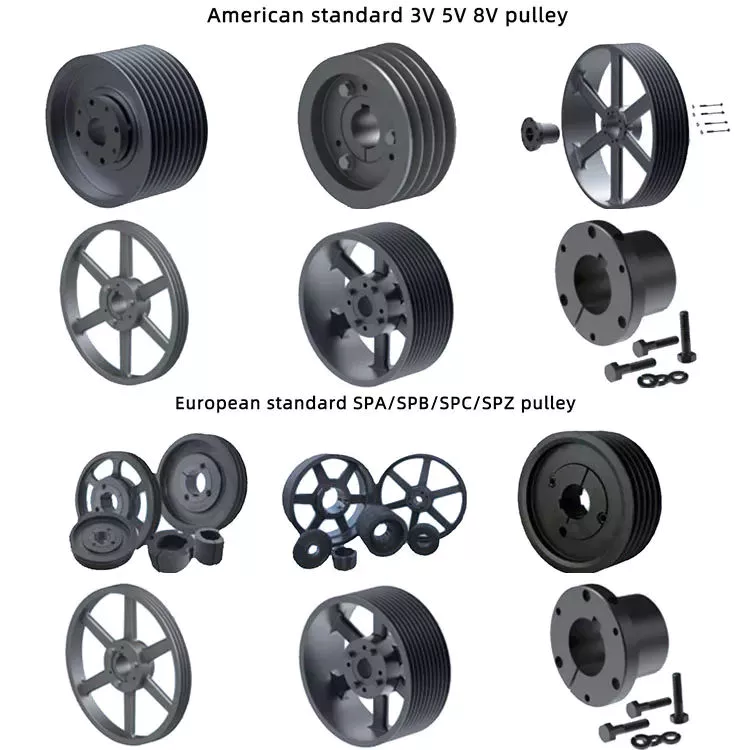
Measuring the Inner Diameter
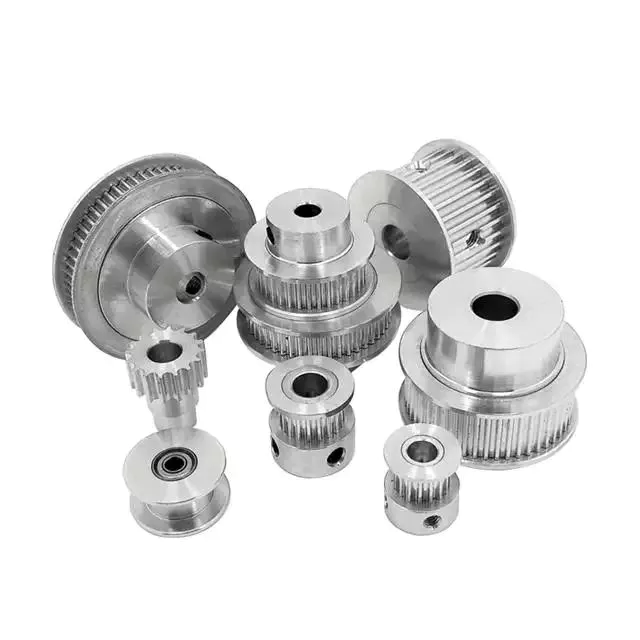
The inner diameter is the measurement of the hole in the center of the pulley, where the axle goes through. To measure this, use the same method as above, but this time place your measuring tool inside the hole of the pulley. Be careful to measure from one inner edge to the other, not including any flanges or lips that may be present. Record this measurement as well.
Measuring the Pulley Width
The width of a pulley is the measurement from one face of the pulley to the other, along the axis. To measure this, place your caliper or ruler against one face of the pulley, and measure straight across to the opposite face. Ensure you are not including any flanges or lips in this measurement. Note down this dimension too.
Additional Considerations
While the outer diameter, inner diameter, and width are the primary measurements needed to determine a pulley’s size, there can be additional factors to consider. For instance, the number, width, and depth of any grooves in the pulley may also be essential, depending on the application. The material of the pulley can also impact its performance and suitability for a particular task.
Conclusion
Knowing how to measure a pulley size accurately is crucial when replacing a pulley or designing a machine. By understanding and correctly measuring the outer diameter, inner diameter, and width, you can ensure that you choose the right pulley for your needs. Remember that while these measurements are the most critical, others like groove number, width, and depth, and material may also be important depending on your specific application.