How to Make Pulley Wheels
In the world of mechanics and engineering, understanding how to make pulley wheels is a fundamental skill. Pulley wheels, also known as sheaves, are essential components in a variety of machinery. They are used in everything from elevators to cranes, helping to lift heavy loads with ease. In this guide, we will delve into the process of making these essential wheels.
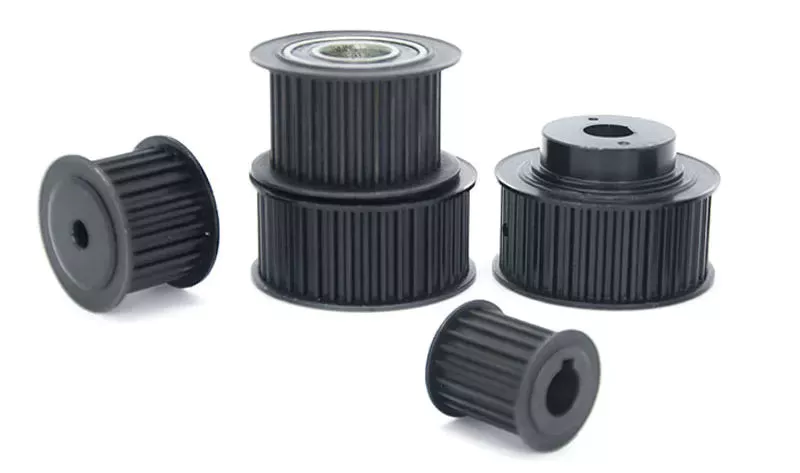
Understanding Pulley Wheels
Before we dive into the practical aspects of creating pulley wheels, it’s important to understand what they are and how they function. Pulley wheels are round, typically made of sturdy materials like metal or hard plastic, and have a groove around their circumference. This groove allows a rope, belt, or cable to wrap around the wheel, creating a simple machine that can change the direction of a force, making lifting or moving objects easier.
Materials Needed for Pulley Wheel Creation
Creating a pulley wheel requires a few essential materials. You’ll need a material for the wheel itself, such as metal or plastic. The choice of material will depend on the intended use of the pulley. For heavy-duty applications, metal is typically preferred. You’ll also need a tool for creating the groove in the wheel, such as a lathe or a router. Additionally, you’ll need a material for the axle, which could be a metal rod or bolt, and a supporting structure or frame to hold the wheel in place.
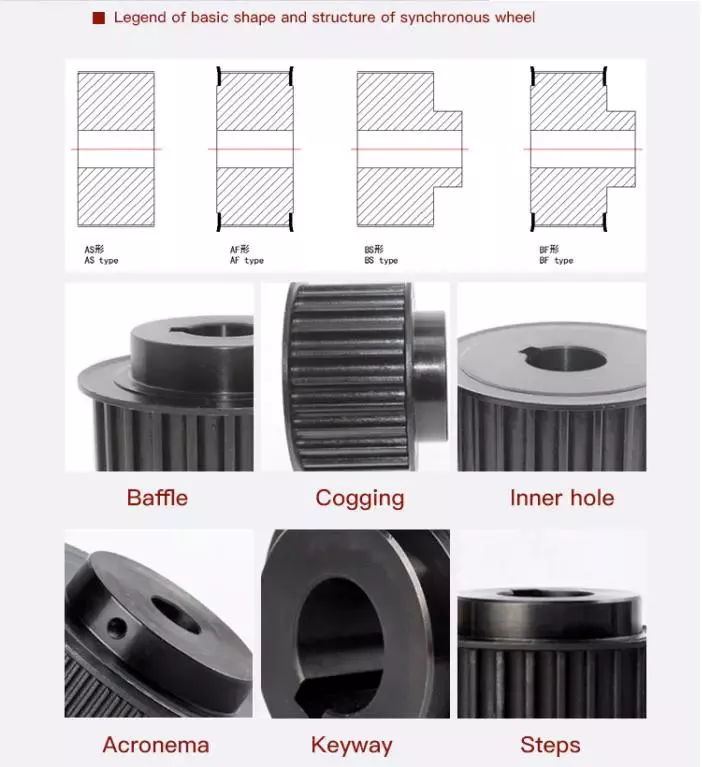
Designing the Pulley Wheel
The design of the pulley wheel is crucial, as it determines how effectively the pulley will work. The size of the wheel, the depth and width of the groove, and the diameter of the axle all need to be carefully considered. These dimensions will depend on the intended use of the pulley, the weight of the load it needs to lift, and the type of rope or belt that will be used.
Creating the Pulley Wheel
The process of creating the pulley wheel involves several steps. First, the wheel material is cut to size and shaped into a round form. Next, the groove is created around the circumference of the wheel. This is typically done using a lathe or a router, with the wheel spinning while the tool cuts the groove. The axle hole is then drilled in the center of the wheel. Once the wheel is finished, it is mounted onto the axle and secured in the supporting structure. The rope or belt is then threaded through the groove, and the pulley is ready for use.
Testing and Adjusting the Pulley Wheel
Once the pulley wheel is assembled, it should be tested to ensure it functions correctly. This involves checking that the wheel spins freely on the axle, and that the rope or belt sits properly in the groove. If any adjustments are needed, they should be made before the pulley is put into regular use. Regular maintenance and inspection of the pulley wheel are also crucial to ensure its continued performance and longevity.
Conclusion
Understanding how to make pulley wheels is a valuable skill, particularly for those interested in mechanics, engineering, or DIY projects. By carefully selecting materials, designing the wheel, and following the creation process, you can create a pulley wheel that meets your specific needs and ensures efficient operation of your machinery or equipment.